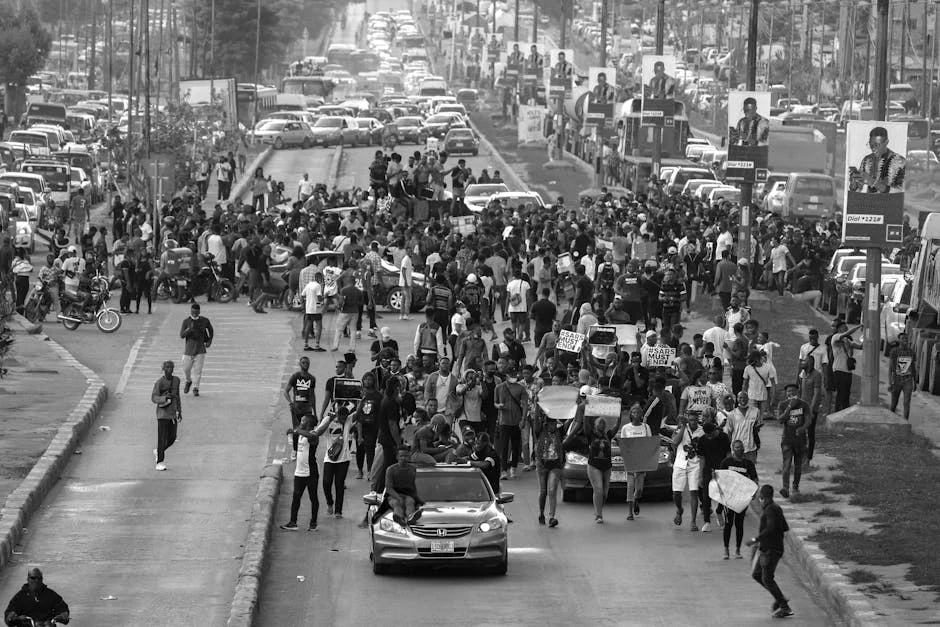
South Africa is grappling with a profound institutional crisis as ad hoc leaders within the police force have publicly condemned President Cyril Ramaphosa’s lack of proactive oversight. This harsh criticism follows a series of troubling incidents, including rising crime rates, which have left many South Africans feeling insecure.
Increased Crime Rates Raise Alarm
Statistics from the South African Police Service show that the country recorded a staggering 21,022 murders in the last year alone, a 7.6% increase compared to the previous year. This surge in violent crime, particularly in urban areas like Johannesburg and Cape Town, has heightened public anxiety and put immense pressure on law enforcement.

The spike in crime has drawn attention to the apparent disconnect between the police leadership and the government. Many South Africans are questioning whether Ramaphosa's administration is equipped to tackle the worsening situation. As frustrations mount, leaders within the police force have called for immediate reforms to address these pressing concerns.
Economic Repercussions of the Crisis
The ongoing crisis within the police force has far-reaching implications for South Africa's economy. Businesses are increasingly affected by the deteriorating security situation, leading to higher operational costs for firms. Insurance premiums for companies have already surged by approximately 15% due to the greater risk of theft and violence.
Investors are taking notice, with the Johannesburg Stock Exchange showing signs of volatility. The benchmark index has faced fluctuations, and analysts are concerned that ongoing instability could deter both domestic and foreign investments. A lack of confidence in law enforcement could ultimately stifle economic growth and discourage new ventures.
Public Sentiment and Political Consequences
The public's growing dissatisfaction with Ramaphosa’s leadership is evident, as a recent poll revealed that only 34% of South Africans believe the government is effectively addressing crime. This discontent is fuelling calls for political accountability and could significantly impact the ruling party's performance in upcoming elections.
Political analysts suggest that if Ramaphosa fails to respond decisively, the African National Congress (ANC) could face significant losses. Voter sentiment is shifting, and opposition parties are ready to capitalise on this opportunity, promising stricter law enforcement and greater accountability in governance.
Police Leadership and Institutional Reform
In the face of these challenges, police leaders are advocating for immediate institutional reforms. They are urging the government to increase funding for policing and implement strategic crime prevention measures. However, the response from the Ramaphosa administration has been perceived as lukewarm, adding to the frustrations felt within the police ranks.
Some officers have expressed concern that without substantial changes, morale among law enforcement personnel will continue to decline. This could potentially result in a further weakening of public safety and confidence in the police.
Future Prospects and What Lies Ahead
As South Africa navigates this critical juncture, citizens will be watching closely for any signs of leadership change or policy adjustments. The upcoming municipal elections set for October 2024 are expected to be a decisive moment for Ramaphosa and his party. Stakeholders across various sectors, from businesses to investors, will keenly observe how the political landscape evolves.
The government’s response to the ongoing crisis will play a pivotal role in shaping investor confidence and public safety measures. South Africa stands at a crossroads, and the actions taken in the coming months will determine the country's path forward.
What is the latest news about south african leaders slam ramaphosas passive oversight amid police crisis?
Why does this matter for politics-governance?
What are the key facts about south african leaders slam ramaphosas passive oversight amid police crisis?