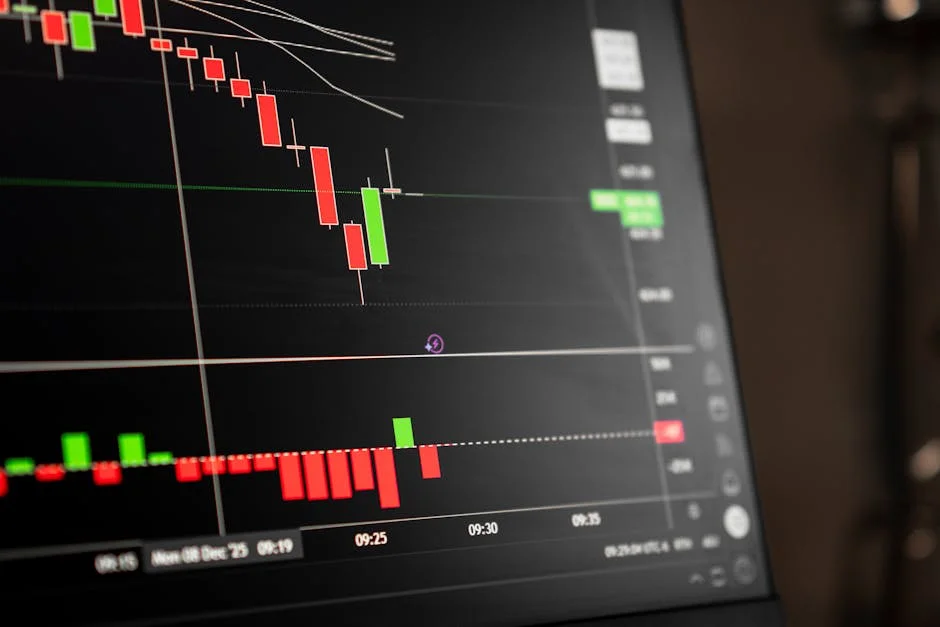
South Africa's property market is undergoing a significant decline, with average property prices decreasing by 15% in 2023, according to the latest figures from the South African Reserve Bank. This downturn raises concerns for investors and businesses as the market grapples with age-old structural challenges and economic pressures.
Ageing Infrastructure and Divided Market
The South African property market has long been characterised by its ageing infrastructure and significant regional disparities. While Cape Town remains a desirable location for high-end real estate, other areas, such as parts of Johannesburg, struggle with declining demand. This divide not only affects property values but also investor confidence.
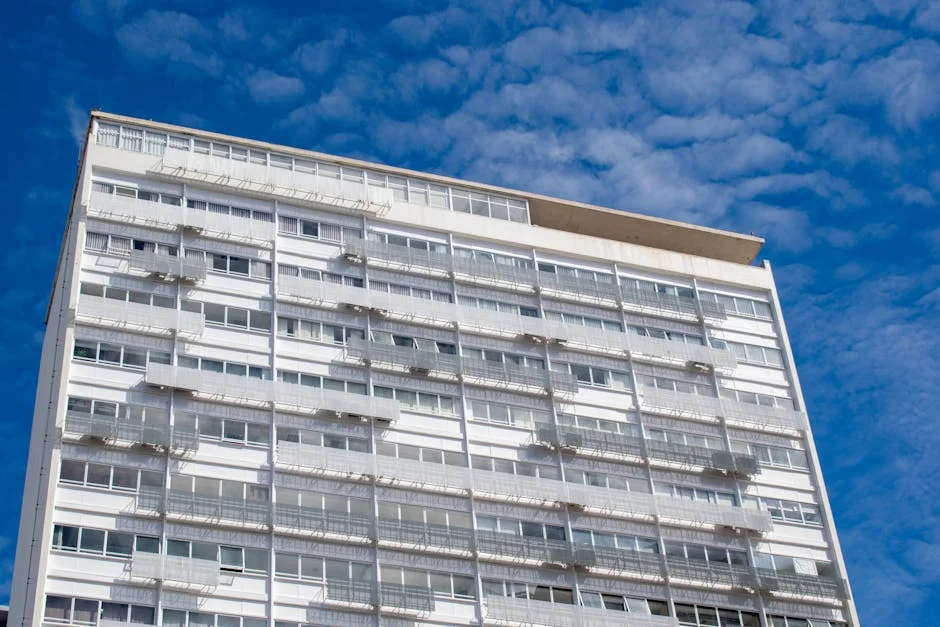
According to the Property Sector Charter Council, urban centres are increasingly facing challenges from deteriorating public amenities, significantly impacting the desirability of properties. In 2022, over 30% of properties in Johannesburg were identified as vacant, reflecting a growing trend of abandonment that threatens neighbourhood stability.
Economic Impact and Market Reactions
The ongoing decline in property values has broader implications for the South African economy. The construction and real estate sectors contribute approximately 6% to the country’s GDP. A fall in property prices reduces development incentives, leading to fewer construction projects and job losses in an already fragile labour market.
Investors are reacting cautiously as the market stagnates. Property prices in major cities like Pretoria and Durban have also seen declines, raising doubts about the potential returns on investment. As banks tighten lending criteria, access to funding has become more challenging, exacerbating the problem.
Government Initiatives and Responses


In response to these challenges, the South African government is implementing several initiatives aimed at revitalising the property market. The Department of Human Settlements announced a R10 billion investment to upgrade public housing and infrastructure in underdeveloped areas. By addressing the root causes of declining property values, officials hope to stimulate renewed interest in these regions.
However, critics argue that these measures may not be sufficient to counteract the prevailing market trends. "The government needs to focus on a holistic approach that includes economic policies to boost overall confidence in the market," stated Gary Palmer, CEO of the South African Property Owners Association.
Investment Outlook and Future Trends
Looking ahead, the property market will likely remain under pressure unless substantial reforms are put in place. Investors are urged to keep a close eye on emerging trends, especially in affordable housing and developments in regional towns. As remote work continues to shape housing preferences, secondary markets could present new opportunities.
The government’s investment in infrastructure could slowly begin to yield positive results, but changes may take time to manifest. For the next quarter, analysts expect continued volatility in property prices, with potential shifts as macroeconomic conditions evolve.
What to Watch Next
As South Africa navigates these challenges, stakeholders should monitor upcoming economic policies and infrastructure projects set to be announced in the next budget speech. Real estate professionals and investors should also analyse consumer sentiment reports for insights into market recovery trends.
With the possibility of further interest rate hikes, the landscape may shift dramatically in the coming months, impacting both the property market and broader economic recovery efforts. Immediate attention to these developments will be crucial for anyone involved in South Africa’s complex property sector.
See Also
- Portuguese Murder Suspect Extradited from Madrid
- Iranian Drone Strike Kills Two Indians in Sohar, Oman
Real estate professionals and investors should also analyse consumer sentiment reports for insights into market recovery trends.With the possibility of further interest rate hikes, the landscape may shift dramatically in the coming months, impacting both the property market and broader economic recovery efforts. By addressing the root causes of declining property values, officials hope to stimulate renewed interest in these regions.However, critics argue that these measures may not be sufficient to counteract the prevailing market trends.
What is the latest news about south africas property market faces decline as prices plunge 15 in 2023?
Why does this matter for economy-business?
What are the key facts about south africas property market faces decline as prices plunge 15 in 2023?