Governor Gboyega Oyetola of Osun State will spearhead discussions on green ports and the welfare of dockworkers at the upcoming 2026 Sustainable Maritime and Automotive Nexus (SCAN) Day. The event, set to take place in Lagos on March 15, 2026, aims to address pressing issues within Nigeria’s maritime sector.
Focus on Green Ports
The initiative to discuss green ports reflects a growing emphasis on environmentally friendly practices within the maritime industry. The Blue Economy, which promotes sustainable use of ocean resources, is a key focus as Nigeria seeks to enhance its global competitiveness. Investments in green technology are essential, with projections estimating that the global Blue Economy could contribute $3 trillion to the economy by 2030.
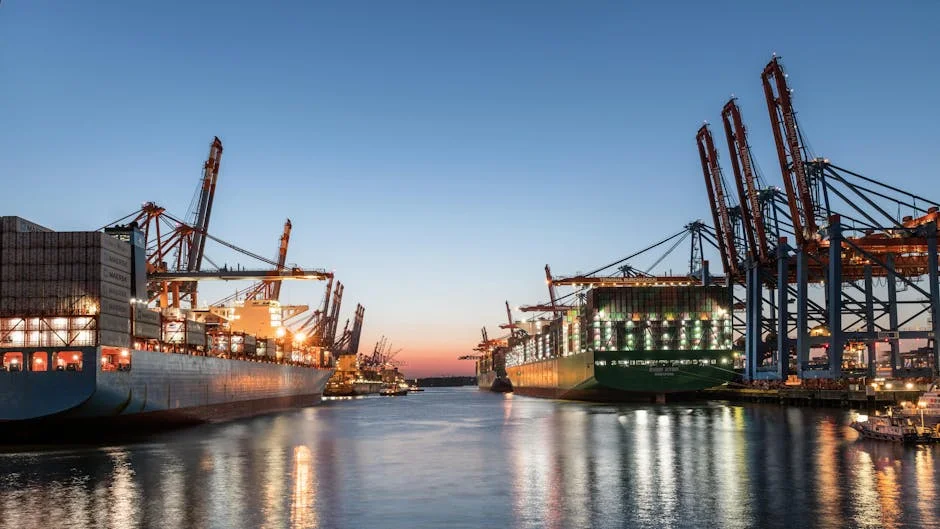
By incorporating green practices, ports can reduce their carbon footprint, thus aligning with international environmental standards. This shift not only fosters a healthier ecosystem but also makes Nigerian ports more attractive to foreign investors looking for sustainable operations.
Dockworkers’ Welfare at the Forefront
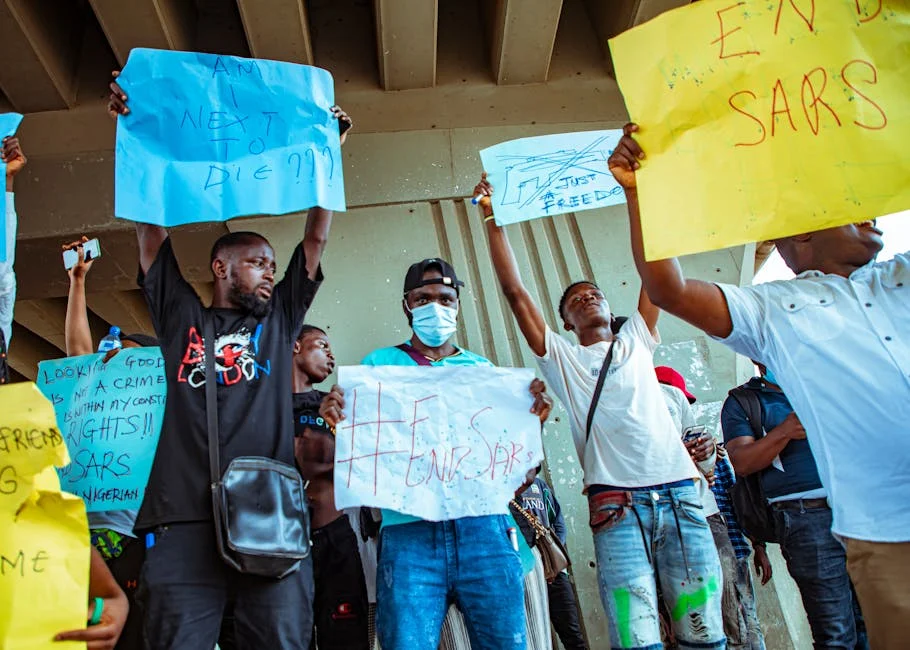
The welfare of dockworkers plays a crucial role in improving operational efficiency and ensuring safety within the maritime sector. The Maritime Workers Union, representing thousands of dockworkers, has raised concerns about inadequate working conditions and pay. A survey revealed that 65% of dockworkers experience job-related health issues, underscoring the urgency for better safety measures and compensation.
During SCAN Day, representatives from the Maritime Workers Union will advocate for comprehensive reforms to enhance not only wages but also training and safety protocols for workers. Enhancing workers' rights is expected to positively impact productivity and morale, which are essential for the competitiveness of Nigeria's maritime sector.
Economic Implications for Nigeria


The discussions at SCAN Day will have significant implications for the Nigerian economy. As the maritime sector accounts for approximately 7% of Nigeria's GDP, improvements in port operations and workforce welfare could drive economic growth. Enhanced efficiencies in port logistics can reduce the overall costs of goods and make exports more competitive.
Furthermore, adopting green technologies can unlock access to international funding and partnerships aimed at sustainable development. This could lead to increased investments in infrastructure, propelling further growth in the maritime and related sectors.
Engagement with the Nigerian Chamber
The Nigerian Chamber of Commerce and Industry will also play a vital role in the discussions. The chamber is expected to advocate for policies that encourage investment in both green technology and worker welfare. Collaboration between the chamber and the Maritime Workers Union will be essential in crafting legislation that supports sustainable development while safeguarding workers’ rights.
As Nigeria positions itself as a leader in the Blue Economy, the involvement of the private sector will be paramount. Engaging businesses to support green initiatives can create a ripple effect, encouraging practices that resonate across industries.
Key Stakeholders to Watch
Several key stakeholders will be pivotal in the discussions at SCAN Day. Alongside Governor Oyetola, the Union's leadership and representatives from the Nigerian Chamber will influence the outcomes. Their ability to forge alliances and create actionable policies will be crucial for the proposed reforms to take shape.
Additionally, international observers and investors will closely monitor the event, as the outcomes could determine Nigeria's attractiveness as a destination for maritime investment. The successful implementation of proposed changes could significantly alter the investment landscape in Nigeria.
Looking Ahead to SCAN Day
With SCAN Day approaching, all eyes will be on the negotiations between government officials, the Maritime Workers Union, and industry representatives. The outcomes could set a precedent for future collaborations in the sector.
What happens at this pivotal event will likely shape the maritime industry in Nigeria for years to come. Stakeholders should prepare for potential shifts in policy that favour both sustainable practices and improved worker conditions as the nation strides towards a more robust maritime economy.
See Also
- Ukraine's New Role Shields US and Gulf Allies from Iran’s Reach
- Mortgage Rates Drop After Iran War Peak — Investors Eye Opportunities
Engaging businesses to support green initiatives can create a ripple effect, encouraging practices that resonate across industries.Key Stakeholders to WatchSeveral key stakeholders will be pivotal in the discussions at SCAN Day. The successful implementation of proposed changes could significantly alter the investment landscape in Nigeria.Looking Ahead to SCAN DayWith SCAN Day approaching, all eyes will be on the negotiations between government officials, the Maritime Workers Union, and industry representatives.