Poor logistics are silently draining billions from Africa’s agricultural sector, leaving smallholder farmers with shrinking margins and global investors with hesitating capital. The continent’s food production potential remains vast, yet inefficient supply chains prevent crops from reaching markets before they spoil, turning potential profit into waste. This structural bottleneck is now the primary concern for economic planners and private equity firms looking for the next big growth engine.
The Hidden Cost of Moving Food
Transporting a ton of maize in Africa can cost up to four times more than in Asia, according to recent data from the African Development Bank. This disparity is not merely a statistic; it is a direct tax on efficiency that erodes the competitive edge of African produce on the global stage. When transport costs rise, the price at the farm gate must fall, or the consumer price must soar, creating friction at every point of the value chain.
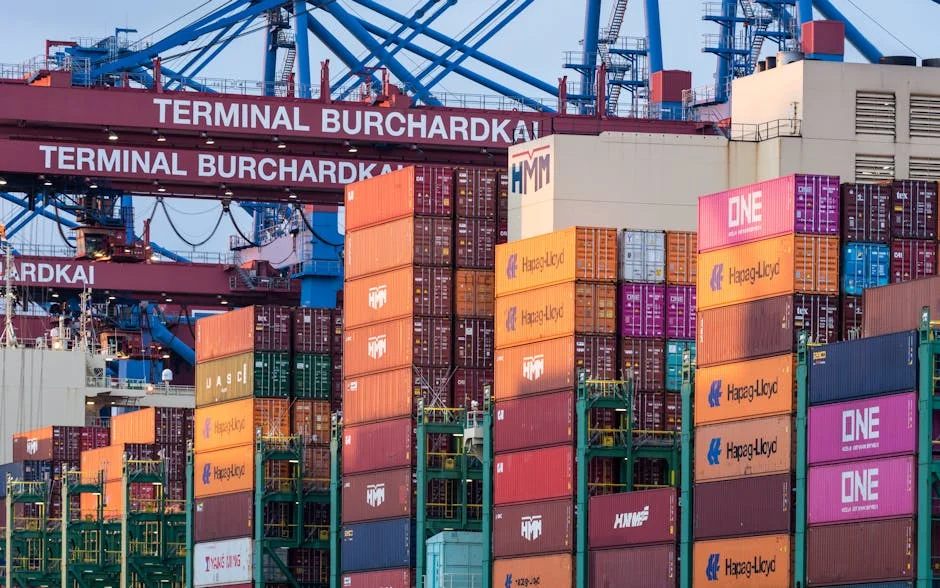
For smallholder farmers in countries like Kenya and Ghana, this means their coffee or cocoa often arrives at the port late, or worse, arrives with a higher moisture content due to delayed drying. The result is a discount that can cut into profits by 15% or more in a single harvest season. These farmers are not just battling weather patterns; they are fighting a war against time and distance, where every hour of delay translates to a cent lost.
The financial implication is stark. Inefficiencies in logistics account for nearly 40% of the total cost of agricultural produce in some West African markets. This leaves very little room for reinvestment in technology or quality improvement. Investors viewing these margins see volatility rather than stability, making them cautious about committing long-term capital to the sector without seeing concrete improvements in infrastructure.
Infrastructure Gaps Choke Regional Trade
The African Continental Free Trade Area (AfCFTA) promised to unlock a single market of 1.3 billion people, but the roads and rails were not fully ready for the rush. Without seamless cross-border movement, tariffs become secondary to the sheer time it takes to move a truck from Lagos to Nairobi. The economic promise of AfCFTA remains partially unfulfilled because the physical links between these economic hubs are often underdeveloped or poorly maintained.
In South Africa, the state-owned rail and road logistics operator, Transnet, faces its own set of challenges that ripple across the continent. Delays at the Durban and Cape Town ports have forced many agricultural exporters to rely more heavily on road transport, which is increasingly congested. This shift increases fuel consumption and carbon emissions, adding a new environmental cost to the economic burden. The ripple effect means that even high-quality produce from the Western Cape can lose its premium status if it sits on a dock for three days instead of three hours.
Border post inefficiencies further exacerbate the problem. Truck drivers can spend up to 30% of their total journey time waiting at borders for documentation and inspections. This delay is expensive, as driver wages and fuel costs continue to accumulate while the cargo remains stationary. For perishable goods like horticulture, this border friction can mean the difference between a fresh strawberry and a bruised one by the time it reaches the retail shelf in Accra or Addis Ababa.
Private Sector Steps In to Fill the Void
Recognizing the government's slow pace, private logistics firms are launching innovative solutions to bridge the gap. Companies are investing in cold chain infrastructure, using technology to track produce in real-time, and creating aggregation centers to reduce the number of trips needed to move goods to market. These private initiatives are critical because they introduce competition and efficiency where state monopolies have historically stagnated.
However, the cost of entry for these private players remains high. Building a reliable cold chain network requires significant upfront capital, often attracting venture capital from global funds. These investors are looking for scalable models that can be replicated across different countries. The success of early movers in Nigeria and Ethiopia is now being watched closely by regional investors who want to see if these models can withstand the variability of African markets.
Investors Demand Data-Driven Decisions


Capital is flowing into African agriculture, but it is becoming more selective. Investors are no longer betting on the crop itself; they are betting on the supply chain that moves it. The latest agricultural news today highlights a shift in focus from pure production metrics to logistics efficiency ratios. Firms that can demonstrate a 10% reduction in post-harvest losses through better logistics are seeing higher valuations and faster funding rounds.
This shift creates an opportunity for agritech startups that combine hardware and software. Solutions that use satellite imagery to predict harvest volumes and optimize truck routes are gaining traction. These technologies reduce uncertainty for buyers and sellers, creating a more transparent market. For the economy, this transparency means better price discovery, which helps stabilize incomes for farmers and costs for consumers.
The agricultural economy update for the region suggests that without this technological integration, traditional farming will struggle to compete with imported goods. Cheap wheat from Europe or rice from Asia can flood local markets if local logistics are too slow or expensive. Protecting local agricultural markets, therefore, requires a robust and efficient internal supply chain that can deliver quality produce at a competitive price.
Policy Makers Face Urgent Reforms
Fix logistics gaps analysis South Africa and other key markets points to the need for urgent policy reforms. Governments must streamline border procedures, invest in rural feeder roads, and incentivize private investment in cold storage. The current patchwork of regulations creates confusion for logistics providers who operate across multiple countries. Harmonizing these regulations is a complex political task, but the economic cost of inaction is rising every day.
Subsidies are often directed at seeds and fertilizers, but transport subsidies remain rare. Policymakers are beginning to realize that a bag of fertilizer is useless if the truck carrying it gets stuck in mud for a week. Redirecting some agricultural spending toward infrastructure maintenance could yield a higher return on investment. This shift in fiscal policy is essential for unlocking the full potential of the continent's fertile land.
International development banks are also adjusting their lending strategies to focus more on logistics infrastructure. Loans for rural electrification and road construction are being bundled with agricultural development projects. This integrated approach ensures that the infrastructure built actually serves the farmers who need it most. The fix logistics gaps economy update indicates that this holistic strategy is gaining support among donors and governments alike.
The Human Cost of Inefficiency
Behind the data and the investments are millions of smallholder farmers who bear the brunt of logistical failures. For a farmer in Malawi, a delayed truck can mean selling at a discount just to cover immediate cash flow needs. This financial pressure limits their ability to invest in the next planting season, creating a cycle of dependency and vulnerability. Improving logistics is not just an economic issue; it is a social stability issue.
Women, who make up a significant portion of the smallholder farming population, are particularly affected by poor infrastructure. They often handle the post-harvest processing and transport of goods to local markets. When roads are bad or transport is unreliable, the burden of carrying goods increases, and the time spent waiting increases, reducing the time available for other income-generating activities. Efficient logistics, therefore, also contributes to gender economic empowerment.
The fix logistics gaps explained narrative must include these human elements to drive political will. When voters see that a new road or a better border post directly impacts their daily income and quality of life, they are more likely to support the necessary reforms. Engaging local communities in infrastructure planning ensures that the solutions are tailored to their specific needs, increasing the likelihood of long-term success.
Future Outlook and Critical Deadlines
The window for action is narrowing as global markets become more competitive. African nations have until the next major harvest season to implement key logistical improvements to avoid a repeat of this year's post-harvest losses. Investors are preparing to deploy capital in the coming quarter, focusing on companies that have proven logistics models. The agricultural latest news will soon reveal which firms and countries are leading this transformation.
Watch for the release of the next AfCFTA implementation report, which will provide concrete data on cross-border trade volumes and delays. This report will serve as a benchmark for measuring progress and identifying the most critical bottlenecks. Policymakers and investors alike will use this data to refine their strategies and allocate resources more effectively. The race to fix Africa’s logistics is on, and the stakes have never been higher.
See Also
- Meta Ordered to Pay $3M in Child Addiction Case — Legal Precedent for Tech Giants
- Sellfy Review 2022: How Good Is This Ecommerce Platform?
The agricultural economy update for the region suggests that without this technological integration, traditional farming will struggle to compete with imported goods. Policy Makers Face Urgent Reforms Fix logistics gaps analysis South Africa and other key markets points to the need for urgent policy reforms.
What is the latest news about africas logistics crisis costs smallholders billions investors take note?
Why does this matter for economy-business?
What are the key facts about africas logistics crisis costs smallholders billions investors take note?