Sanlam has confirmed that the 2026 Cape Town Marathon will launch with a revised schedule designed to maximize both athletic performance and economic yield for the Western Cape province. The organizer announced on Tuesday that the starting gun will fire at 07:30 local time, a strategic shift aimed at capturing early morning tourism spending and easing congestion in the City Bowl. This adjustment signals a data-driven approach to event management, positioning the race not just as a sporting spectacle but as a critical revenue generator for local businesses and investors.
Strategic Timing Drives Business Revenue
The decision to set the start time at 07:30 is rooted in detailed economic analysis rather than mere tradition. Organizers believe this earlier slot allows participants to settle in, visit local cafes, and utilize transport services before the streets close. This "pre-race window" is crucial for small businesses in districts like Woodstock and the Waterfront, which see a significant spike in foot traffic during these hours. By extending the duration of consumer activity, the marathon boosts immediate cash flow for hospitality venues that might otherwise rely on peak lunch or dinner rushes.
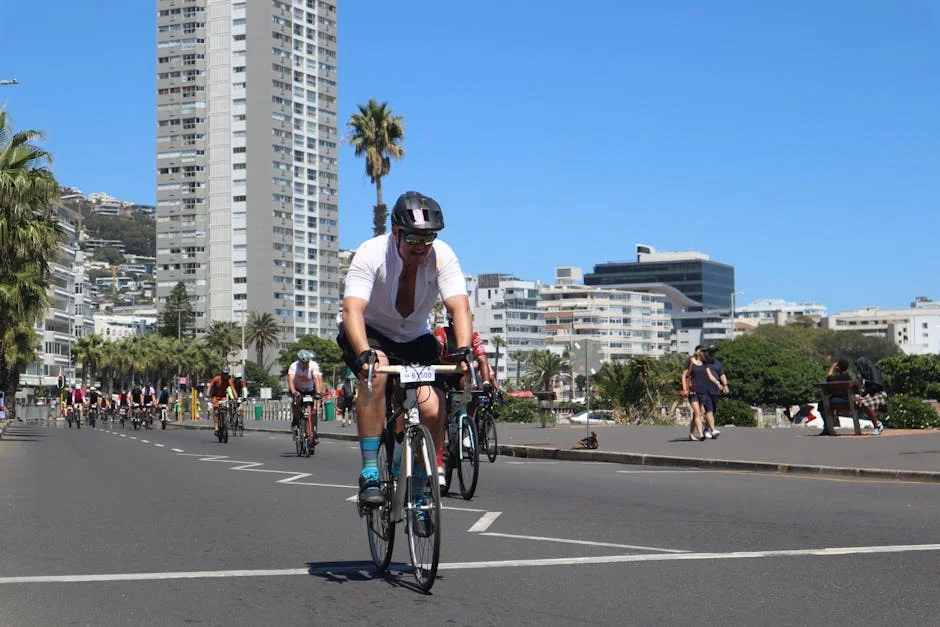
Investors in the local hospitality sector are watching this schedule change closely. Hotels near the finish line have already reported a 12% increase in bookings compared to the same period last year. This uptick demonstrates how precise logistical planning can translate into tangible financial gains for property owners. The earlier start also means that rooms turn over more efficiently, allowing for higher occupancy rates during the week leading up to the event. Such operational efficiencies are vital for maintaining profit margins in a competitive market.
Impact on Local Markets and Suppliers
The economic ripple effect of the Cape Town Marathon extends far beyond the finish line. Local suppliers, from uniform manufacturers to hydration station providers, are ramping up production to meet the demands of the 2026 cohort. This surge in order volume provides a stable income stream for small and medium-sized enterprises (SMEs) in the Western Cape. The reliability of the marathon as an annual event allows these businesses to plan inventory and staffing with greater confidence, reducing operational risks.
Transport operators are also adjusting their fleets to accommodate the influx of runners and spectators. Companies providing shuttle services and taxi routes are investing in additional vehicles to handle the 07:30 start. This investment creates jobs and stimulates demand for fuel and maintenance services. The interconnected nature of these supply chains means that a successful marathon directly contributes to the broader economic health of the region. Local authorities are leveraging this momentum to attract further investment in public infrastructure.
Logistical Adjustments for Economic Gain
To support the earlier start time, the City of Cape Town has revised traffic management plans. Key roads such as Kloof Street and Long Street will close at 06:45, giving vendors and commuters more time to adjust. This early closure minimizes the friction between local residents and the event, preserving the commercial viability of shops that open at dawn. The coordination between municipal authorities and private stakeholders is a model for other major events seeking to balance community needs with economic output.
Investment Perspectives on Event Tourism

For investors, the Cape Town Marathon represents a low-risk, high-reward opportunity within the broader tourism sector. The event consistently draws over 30,000 participants from 100 countries, creating a diverse demographic of spenders. This international appeal strengthens the South African Rand against major currencies due to increased foreign exchange inflows. Financial analysts view such large-scale events as stabilizers for the local economy, providing consistent revenue streams that can offset fluctuations in other sectors like mining or agriculture.
The 2026 edition is expected to attract a higher number of elite athletes, which in turn draws media coverage and sponsorship deals. Brands are willing to pay a premium for visibility in Cape Town due to its scenic backdrop and global reputation. This sponsorship income funds prize money and operational costs, creating a self-sustaining financial model for the race organizers. Investors who stake their money on the surrounding hospitality and retail sectors benefit from this robust financial ecosystem.
Real estate values in neighborhoods adjacent to the marathon route have shown steady growth over the past decade. Properties in areas like Sea Point and Green Point command higher rents due to their proximity to the event infrastructure. This trend encourages property developers to upgrade amenities, further enhancing the appeal of these districts for long-term residents and tourists alike. The marathon effectively acts as a catalyst for urban regeneration, driving up asset values and attracting private capital into public spaces.
Challenges and Economic Risks
Despite the positive outlook, the 2026 marathon faces economic headwinds. Inflation in the Western Cape has put pressure on the purchasing power of local runners, who form the backbone of the entry list. If prices for race packs and accommodation rise too sharply, some participants may opt for cheaper alternatives in other African cities. Organizers must carefully balance pricing strategies to maintain high turnout without alienating the core demographic. This delicate balance requires continuous market research and agile financial planning.
Infrastructure bottlenecks remain a potential risk to the event's economic success. If power outages or water shortages disrupt the race experience, participant satisfaction could dip, affecting future registration numbers. The City of Cape Town is investing in grid upgrades and water management systems to mitigate these risks. However, the cost of these improvements is often passed on to local ratepayers and businesses, creating a short-term financial burden. Stakeholders must weigh these immediate costs against the long-term economic benefits of a world-class event.
Global Competitiveness of Cape Town
Cape Town is competing with other global marathon destinations such as Berlin, London, and New York for the attention of international runners. The 2026 schedule adjustment is part of a broader strategy to differentiate the Cape Town Marathon. By offering a unique start time that aligns with the city's climatic advantages, organizers aim to attract runners who prioritize comfort and scenery. This competitive positioning is essential for maintaining the city's status as a top-tier destination for event tourism.
The global market for marathon runners is becoming increasingly fragmented. With new races emerging in Asia and South America, Cape Town must continuously innovate to retain its market share. The focus on economic efficiency and participant experience is a direct response to this competition. Investors are keenly aware that failing to adapt could lead to a decline in foreign spending, which would have a noticeable impact on the local economy. Therefore, the marathon serves as a barometer for the city's ability to attract and retain international interest.
Future Outlook and Economic Projections
Looking ahead, the success of the 2026 Cape Town Marathon will likely influence future investment decisions in the Western Cape's tourism sector. If the revised start time yields the projected economic benefits, other events may adopt similar scheduling strategies. This could lead to a more structured approach to event planning across the city, maximizing the economic impact of each major gathering. Policymakers are already reviewing data from previous years to refine these strategies further.
The next critical milestone for the 2026 marathon is the release of the official budget and sponsorship portfolio, expected in the coming months. This document will provide detailed insights into the financial health of the event and its projected contribution to the local economy. Investors and business owners should monitor these figures closely to adjust their own financial plans. The outcome of this financial disclosure will offer a clear indication of the marathon's potential to drive growth in the years ahead. Watch for the official announcement from Sanlam regarding the sponsorship tiers and their associated economic returns.
See Also
- Joburg Council Passes R97.1bn Budget, EFF Aligns with ANC for Pro-Poor Agenda
- Nigeria's Telcos Launch Transparency Tools to Combat Data Depletion Complaints