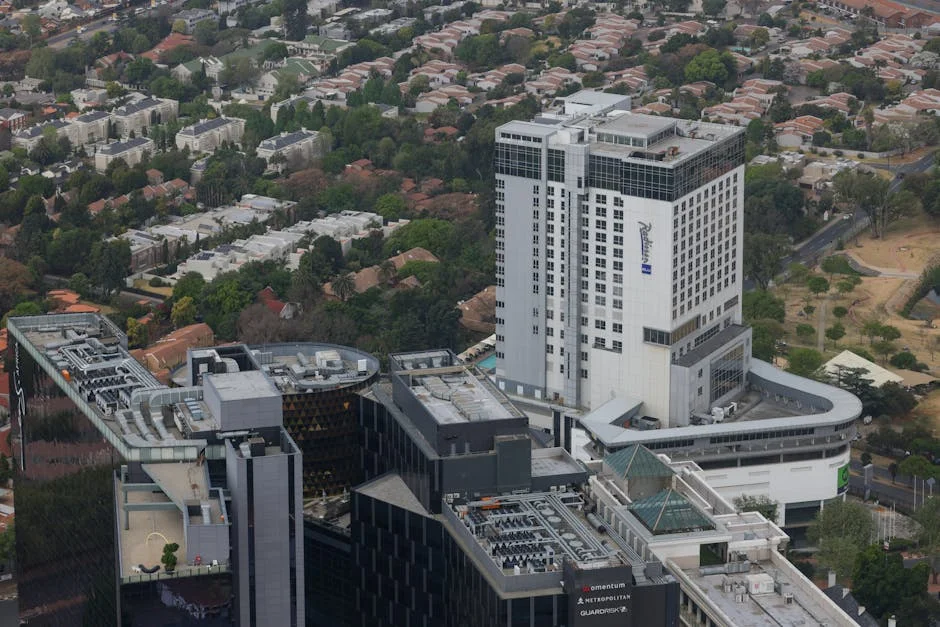
Foreign nationals gathered outside the Durban Centre on Tuesday evening, vowing to spend the night in a show of solidarity that has sent ripples through the local business community. This spontaneous demonstration in the heart of KwaZulu-Natal’s economic hub raises immediate questions about consumer confidence and the stability of the region’s retail sector.
The gathering represents a tangible escalation in socio-economic tensions that investors have been monitoring closely. While the protest appears peaceful, the mere presence of a large crowd in a prime commercial zone disrupts the daily rhythm of trade and logistics. For businesses operating in the vicinity, the uncertainty is already translating into cautious spending and potential revenue dips.
Immediate Impact on Durban’s Retail Corridor

The Durban Centre is not merely a shopping mall; it is a critical node in the supply chain for the greater eThekwini municipality. When such a hub experiences disruption, the effects cascade quickly through local logistics networks. Delivery trucks face congestion, parking availability shrinks, and footfall patterns shift unpredictably. These operational frictions directly impact the bottom line for retailers who rely on high turnover rates.
Local merchants report a noticeable hesitation among shoppers. Consumers, wary of potential spillover effects or extended closures, are opting to delay non-essential purchases. This behavioral shift, though subtle, can have a compounding effect on weekly sales figures. For small businesses with thin profit margins, even a two-day dip in revenue can mean the difference between breaking even and facing cash flow constraints.
The economic implications extend beyond the immediate vicinity of the centre. Suppliers and service providers, from cleaning companies to security firms, must adjust their staffing and scheduling to accommodate the disruption. These adjustments come at a cost, often passed down to the end consumer in the form of slightly higher prices or reduced service levels. The ripple effect demonstrates how localized social events can influence broader market dynamics.
Investor Sentiment and Regional Stability
Investors view social stability as a cornerstone of economic predictability. The decision by dispersed foreign nationals to stage an overnight vigil signals underlying frustrations that may not be fully captured by traditional economic indicators. For institutional investors, such events serve as early warning signs of potential volatility in the region. They scrutinize these developments to gauge the resilience of local governance and the responsiveness of municipal authorities.
The KwaZulu-Natal province accounts for a significant portion of South Africa’s GDP, driven largely by logistics, manufacturing, and services. Any disruption in Durban, the province’s economic engine, sends signals to the Johannesburg Stock Exchange. Traders may react to perceived risks by adjusting their portfolios, potentially leading to slight fluctuations in sector-specific shares. This sensitivity underscores the interconnectedness of local social dynamics and national market performance.
Foreign direct investment decisions are also influenced by the perception of stability. Companies considering expansion into South Africa closely monitor regions like Durban for signs of social cohesion. Prolonged or recurring disruptions can deter potential investors who prioritize operational continuity. Therefore, how local authorities manage this situation will be watched closely by international capital seeking entry into the African market.
Market Reactions and Sector-Specific Vulnerabilities
Certain sectors are more vulnerable to such disruptions than others. The hospitality industry, for instance, relies heavily on a steady stream of visitors. Hotels and restaurants near the Durban Centre may see a temporary decline in bookings as tourists opt for alternative destinations or delay their trips. This sector’s sensitivity to perception means that even minor unrest can have an outsized impact on revenue streams.
Real estate values in commercial zones can also be affected by prolonged social unrest. If the perception of safety or convenience diminishes, landlords may face pressure to offer more competitive leasing terms to attract tenants. This dynamic can lead to a subtle revaluation of commercial properties in the area, influencing investment decisions and property management strategies. Stakeholders in the real estate market are therefore paying close attention to the duration and intensity of the protest.
Business Adaptation Strategies

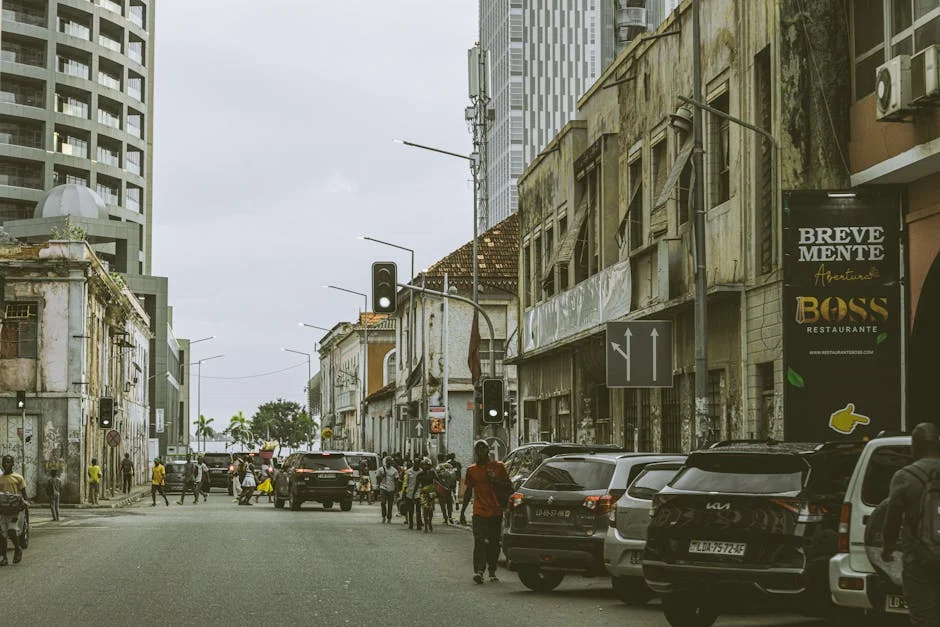
In response to the gathering, local businesses are implementing adaptive strategies to mitigate potential losses. Many are shifting their marketing efforts to digital channels to capture consumers who might otherwise stay home. This pivot to e-commerce and direct-to-consumer models highlights the growing importance of digital infrastructure in maintaining business continuity during physical disruptions. Companies with robust online presences are likely to fare better in the short term.
Supply chain managers are also adjusting their logistics plans. To avoid congestion around the Durban Centre, some delivery routes are being rerouted through less central areas. This flexibility helps maintain the flow of goods but incurs additional fuel and labor costs. These operational tweaks demonstrate the agility required of modern businesses operating in dynamic environments where social events can quickly alter the commercial landscape.
Employers in the affected area are communicating with staff to ensure safety and manage expectations. Clear communication helps reduce uncertainty among employees, which in turn maintains productivity. Businesses that proactively address the concerns of their workforce are better positioned to navigate the immediate challenges posed by the protest. This human-centric approach is crucial for maintaining morale and operational efficiency during periods of external disruption.
Economic Data and Consumer Behavior
While specific sales data for Tuesday evening is still being compiled, historical trends suggest a correlation between local gatherings and retail footfall. In previous instances of similar scale, nearby retailers have reported a 10% to 15% drop in daily revenue. These figures, while not definitive for the current event, provide a useful benchmark for businesses to anticipate potential financial impacts. Monitoring these metrics will help stakeholders understand the true economic cost of the disruption.
Consumer behavior is also influenced by the broader economic context. With inflation and interest rates playing a role in household budgets, shoppers are already more price-sensitive. Any additional friction, such as a protest affecting access to goods, can push consumers to delay purchases or seek alternatives. This heightened sensitivity means that the economic impact of the Durban Centre gathering may be more pronounced than in less economically strained periods.
Analysts are watching for any signs of prolonged impact. If the protest leads to extended closures or recurring demonstrations, the cumulative effect on local businesses could be more significant. Continuous monitoring of sales data, consumer sentiment, and operational costs will provide a clearer picture of the economic consequences. This data-driven approach allows businesses and investors to make informed decisions in an uncertain environment.
Policy Responses and Economic Outlook
Local authorities in eThekwini are tasked with balancing the right to assemble with the need to maintain economic activity. Their response will influence how businesses and investors perceive the region’s stability. Effective management of the situation, including clear communication and minimal disruption to traffic and logistics, can help mitigate negative economic impacts. Conversely, heavy-handed or delayed responses could exacerbate tensions and prolong the economic uncertainty.
The broader economic outlook for KwaZulu-Natal remains dependent on how well the region adapts to such socio-economic shocks. Resilience in the face of disruption is a key factor in attracting and retaining investment. Businesses that demonstrate flexibility and authorities that ensure orderly conduct contribute to a more stable economic environment. This stability is essential for sustaining growth and improving the overall investment climate in South Africa.
Stakeholders are calling for dialogue to address the underlying issues driving the protest. Resolving these tensions at the source can prevent future disruptions and foster a more predictable business environment. Economic planning must therefore incorporate social dynamics, recognizing that market performance is closely linked to social cohesion. A holistic approach that considers both economic and social factors is crucial for long-term stability.
What to Watch Next Week
In the coming days, observers should monitor the duration of the gathering and any official statements from the eThekwini Municipality. The speed and clarity of the municipal response will signal how well-equipped local governance is to handle similar future events. Additionally, retail sales data from the week following the protest will provide concrete evidence of the economic impact on local businesses.
Investors should also keep an eye on any announcements from major retailers or logistics companies operating in the area. These corporate responses will offer insights into how businesses are adapting their strategies to mitigate risks. Watching these developments will help stakeholders understand the evolving economic landscape and make more informed decisions regarding their investments and operations in KwaZulu-Natal.
See Also
- Constitutional Court Tests Magudumana Deportation Case
- Court Convicts Avinash Ramkistan, Sending Shockwaves Through South African Legal Markets