The World Health Organization (WHO) has convened its latest assembly in Geneva, but the proceedings are dominated by a severe financial shortfall and resurgent viral threats across Africa. This convergence of fiscal strain and epidemiological uncertainty poses direct risks to regional supply chains and investor confidence. Markets are reacting to the potential for prolonged health disruptions that could stall economic recovery efforts.
Fiscal Deficit Threatens Global Health Infrastructure
The WHO is facing a funding gap that exceeds $2.5 billion for the current biennium. This deficit forces the health body to rely heavily on voluntary contributions, which are often earmarked for specific diseases rather than core operational costs. Investors in the healthcare sector are watching these budgetary constraints closely, as they dictate the speed and scale of response to emerging outbreaks.

When public health infrastructure is underfunded, the burden shifts to private hospitals and insurance providers. In major economic hubs like Johannesburg and Lagos, private healthcare facilities are already seeing increased patient volumes as public systems strain. This dynamic drives up premium costs and influences corporate health expenditure, directly impacting the bottom lines of multinational corporations operating in the region.
Ebola Resurgence Disrupts Regional Trade Routes
Recent outbreaks of the Ebola virus in Central Africa have triggered immediate border controls and travel advisories. These measures, while necessary for containment, create friction for cross-border trade. The World Bank estimates that a major Ebola outbreak can reduce GDP growth in affected countries by up to 3.3 percentage points in the first year alone.
Supply chains for essential goods, including pharmaceuticals and agricultural produce, face delays due to checkpoint inspections and transport restrictions. Companies involved in logistics and freight forwarding report increased operational costs and longer lead times. This volatility affects commodity prices, particularly for minerals and crops that are critical exports for nations like the Democratic Republic of Congo and Uganda.
Impact on Export-Driven Economies
Nations heavily reliant on mining and agriculture are particularly vulnerable to these health-driven disruptions. When workers fall ill or borders close, production slows down. For instance, copper exports from the DRC have faced intermittent bottlenecks, influencing global metal prices. Investors in the commodity markets must factor in this health-related risk premium when valuing assets in the region.
The uncertainty also deters foreign direct investment. Companies hesitate to expand operations in regions perceived as having unstable health security. This hesitation can lead to a capital flight effect, where investors move funds to markets with more predictable regulatory and health environments. The resulting slowdown in capital inflow can weaken local currencies and increase borrowing costs for governments.
Hantavirus Emergence Adds Complexity to Health Economics

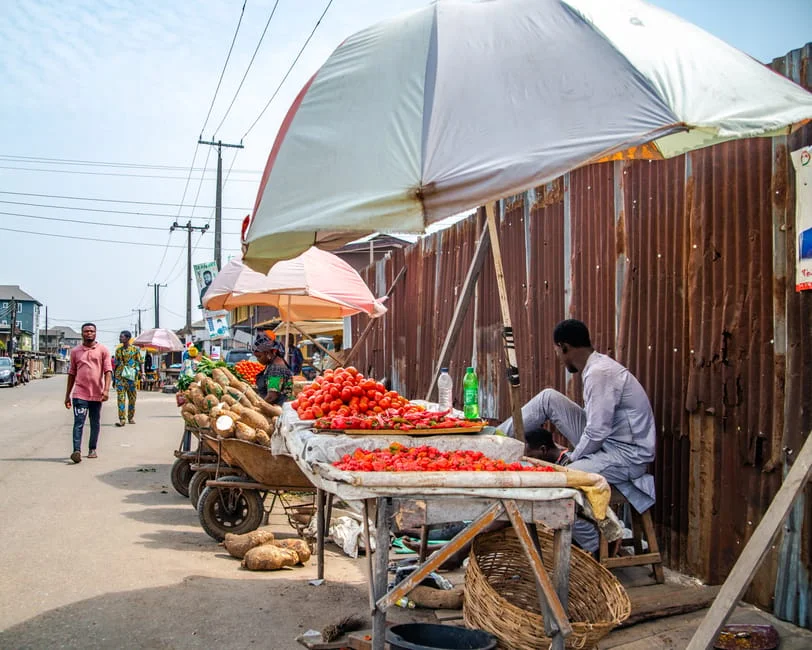
While Ebola grabs headlines, the emergence of Hantavirus in parts of Africa presents a different set of economic challenges. Understanding what is Hantavirus is crucial for assessing its market impact. It is a viral disease spread primarily by rodents, often affecting agricultural workers and those living in rural areas. Unlike Ebola, it does not always require intense isolation protocols, but its prevalence can decimate local labor forces.
The latest news on Hantavirus indicates a rise in cases in regions with high agricultural activity. This directly affects food production and local supply chains. If a significant portion of the rural workforce falls ill, crop yields can drop, leading to higher food prices in urban centers. Inflationary pressure on food items is a key metric that central banks monitor closely, influencing interest rate decisions.
Healthcare systems must allocate resources to test and treat Hantavirus cases, which may divert attention and funding from other chronic diseases. This reallocation has budgetary implications for both public and private health providers. Insurance companies are beginning to model Hantavirus into their risk assessments, potentially leading to higher premiums for agricultural insurers and rural health plans.
Investor Sentiment and Market Volatility
Financial markets are sensitive to health crises due to their ability to disrupt consumer behavior and production. The current shadow of Ebola and Hantavirus is causing some volatility in African equity markets. Sectors such as tourism, aviation, and retail are particularly exposed to changes in consumer confidence. Travel restrictions or perceived health risks can lead to a sharp decline in bookings and sales.
However, the healthcare and pharmaceutical sectors often see a surge in investor interest during such times. Companies producing vaccines, diagnostic tools, and personal protective equipment may experience stock price increases. This sector rotation reflects a broader market strategy of hedging against health-related risks. Investors are closely monitoring the WHO's recommendations and funding allocations to identify which companies stand to benefit from increased health spending.
Foreign investors are also assessing the long-term impact of these health challenges on economic stability. Countries that demonstrate effective response mechanisms and transparent communication are likely to retain more investor confidence. Conversely, nations with fragmented health systems may face higher risk premiums on their sovereign bonds, increasing the cost of borrowing for infrastructure and development projects.
Business Adaptation and Supply Chain Resilience
Businesses across Africa are adapting to these health risks by diversifying supply chains and investing in digital health solutions. Companies are looking to reduce dependency on single-source suppliers to mitigate the impact of border closures and labor shortages. This shift towards resilience requires capital investment, which can affect short-term profitability but enhances long-term stability.
Digital health platforms are gaining traction as tools for monitoring outbreaks and managing patient care. These technologies allow for faster data collection and more efficient resource allocation. Investors in the fintech and healthtech sectors are seeing increased interest as these solutions become critical for maintaining business continuity during health crises. The integration of data analytics into health management is becoming a key competitive advantage for healthcare providers.
Corporate social responsibility initiatives are also being leveraged to strengthen community health. Companies are partnering with local health ministries to improve infrastructure and public awareness. These partnerships not only enhance brand reputation but also create a healthier workforce, which is essential for sustained productivity. This strategic approach to health security is becoming a standard practice for major corporations operating in the region.
Policy Responses and Economic Forecasting
Governments are reviewing their economic policies to account for the potential impact of health crises. Fiscal measures, such as tax incentives for healthcare investments and subsidies for essential medicines, are being considered. These policies aim to stimulate the health sector and reduce the economic burden on households. The effectiveness of these measures will depend on the speed of implementation and the availability of funding.
Central banks are monitoring inflation and employment data closely to gauge the economic impact of the health threats. If health crises lead to significant labor shortages or supply disruptions, central banks may adjust interest rates to stabilize prices and support growth. This monetary policy response is crucial for maintaining investor confidence and ensuring economic stability.
International financial institutions, including the International Monetary Fund (IMF), are also playing a role in supporting affected countries. They are providing loans and technical assistance to help governments manage the fiscal impact of health emergencies. This support is vital for maintaining macroeconomic stability and preventing debt crises in vulnerable economies. The coordination between national governments and international bodies is key to an effective economic response.
Looking Ahead: Monitoring Key Indicators
Investors and businesses should closely monitor the WHO's funding updates and the progression of Ebola and Hantavirus cases in key economic regions. The next quarter will be critical for assessing the long-term impact of these health challenges on market performance. Watch for changes in consumer spending patterns, supply chain delays, and shifts in sectoral investment flows. The coming months will reveal how well African economies can adapt to these concurrent health and fiscal pressures.
See Also
- Odisha CM Announces Rs 25 Lakh Aid After Medical College Fire Claims 10 Lives
- KZN Truck Drivers Prepare to Strike — Major Transport Routes Face Disruption
They are providing loans and technical assistance to help governments manage the fiscal impact of health emergencies. Looking Ahead: Monitoring Key Indicators Investors and businesses should closely monitor the WHO's funding updates and the progression of Ebola and Hantavirus cases in key economic regions.