President Bola Tinubu has orchestrated a strategic political alignment between Governor Peter Obi and Senator Nasiruddin Kwankwaso, signaling a major shift in Nigeria’s domestic power structure. This move, highlighted by broadcaster Dele Momodu, suggests an effort to consolidate support ahead of critical economic reforms. Investors and market analysts are closely watching how this political realignment will influence fiscal stability and foreign direct investment flows into the West African giant.
Political Consolidation in Abuja
The reported collaboration between Obi, the former governor of Anambra State, and Kwankwaso, a prominent senator from Kaduna, marks a departure from recent political rivalries. Tinubu’s administration appears to be leveraging these relationships to smooth the passage of key legislative agendas. Such political maneuvering is common in Nigerian governance but carries significant weight when it involves leaders with substantial regional influence. The timing of this alignment suggests a strategic play to mitigate opposition to the president’s economic overhaul.

Dele Momodu, a key figure in Nigerian media and politics, has pointed out that this forced cooperation is not merely symbolic. It represents a tactical move to unify the political elite behind the administration’s economic policies. This unity is crucial for maintaining stability in a country where political fragmentation often translates into economic volatility. The implications for businesses operating in Lagos and other economic hubs are immediate and profound.
Market Reactions and Investor Sentiment
Financial markets in Lagos reacted with cautious optimism to the news of the political alliance. The Naira showed slight stability against the US Dollar, reflecting investor confidence in the government’s ability to manage political risks. Analysts note that political stability is a primary driver for foreign investors considering entry into the Nigerian market. Any sign of internal cohesion reduces the perceived risk premium on Nigerian assets.
However, skepticism remains among institutional investors who are still digesting the effects of recent subsidy removals and tariff adjustments. The Nigerian Stock Exchange saw mixed trading volumes, with banking and consumer goods sectors leading the gains. These sectors are directly impacted by domestic consumption patterns, which are sensitive to political stability. Investors are waiting for concrete policy announcements before committing significant capital to the Nigerian economy.
Impact on Foreign Direct Investment
Foreign direct investment (FDI) in Nigeria has been on a rollercoaster ride due to fluctuating political and economic conditions. The new political alignment could provide the stability needed to attract long-term investments. Multinational corporations are particularly interested in the energy and technology sectors, which require consistent policy frameworks. A unified political front under Tinubu could accelerate approval processes and reduce bureaucratic hurdles for these investors.
Nevertheless, the effectiveness of this political strategy depends on its durability. If the alliance between Obi and Kwankwaso is perceived as transactional rather than structural, investors may remain hesitant. The Nigerian government must demonstrate that this political cohesion translates into tangible economic benefits. This includes improved infrastructure, better regulatory environments, and consistent monetary policy.
Economic Policy Implications

Tinubu’s economic agenda has been aggressive, focusing on fiscal consolidation and monetary tightening. The political support from Obi and Kwankwaso could facilitate the implementation of these policies without significant legislative roadblocks. This is particularly important for the passage of the annual budget and key reform bills that affect taxation and public spending. A smoother legislative process can lead to more predictable economic conditions, which are favorable for business planning.
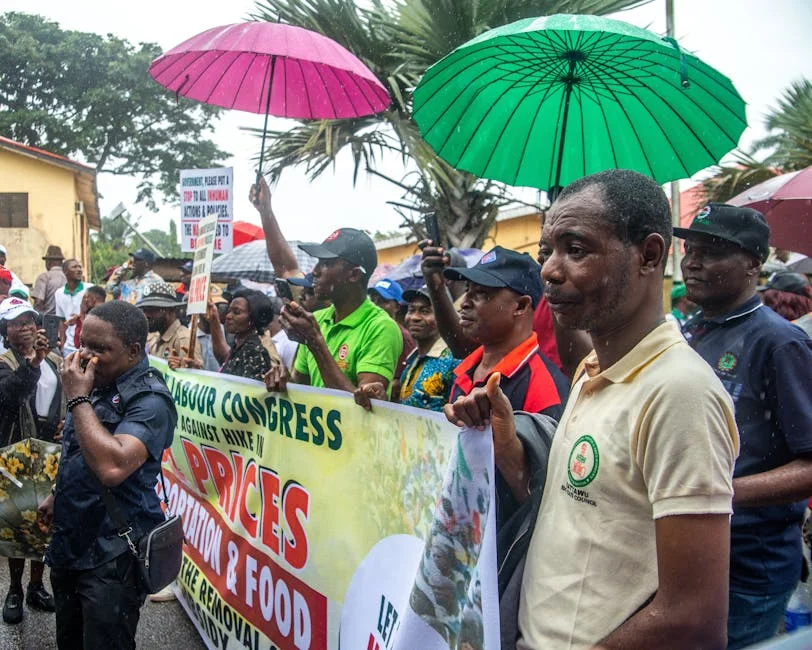
The removal of fuel subsidies and the unification of exchange rate regimes have already placed pressure on household incomes and corporate costs. Political stability can help mitigate the social unrest that often accompanies such economic shocks. By securing the support of key political figures, Tinubu aims to create a buffer against potential protests and strikes that could disrupt economic activity. This strategy is critical for maintaining investor confidence during a period of economic transition.
Regional Dynamics and Federal Structure
Nigeria’s federal structure means that political dynamics in one region can have ripple effects across the entire country. The alliance between Obi, representing the South-East, and Kwankwaso, representing the North-West, is strategically significant. It bridges a geographical and ethnic divide that has often characterized Nigerian politics. This kind of cross-regional cooperation can enhance national cohesion and reduce the potential for regionalistic friction that can disrupt trade and commerce.
For businesses operating across multiple states, this political alignment can simplify regulatory compliance and reduce the need for diverse lobbying efforts. A more unified political front can lead to harmonized state-level policies, making it easier for companies to scale operations. This is particularly beneficial for small and medium-sized enterprises (SMEs) that form the backbone of the Nigerian economy. Reduced political friction can lead to lower operational costs and higher profitability.
Challenges and Risks
Despite the potential benefits, the political alliance faces several challenges. Historical rivalries and differing political ideologies between Obi and Kwankwaso could resurface, undermining the cohesion. Additionally, other political stakeholders may feel marginalized by this exclusive alliance, leading to new factions within the ruling party. Such internal divisions can create uncertainty, which is the enemy of economic growth and investment stability.
Economic challenges also persist independently of political alignments. Inflation remains high, and unemployment continues to plague the workforce. The Nigerian government must address these fundamental economic issues to sustain investor confidence. Political stability alone cannot drive economic growth if the underlying economic fundamentals are weak. The administration must deliver on its promises of job creation and infrastructure development to validate the political strategy.
Long-Term Economic Outlook
The long-term impact of this political move on the Nigerian economy will depend on its ability to translate into consistent policy implementation. If Tinubu can leverage this alliance to push through structural reforms, Nigeria could see a period of sustained economic growth. This would benefit not only domestic businesses but also foreign investors looking for emerging market opportunities. A stable political environment is a prerequisite for attracting the capital needed for modernization and industrialization.
However, the window of opportunity is not infinite. Global economic conditions, including interest rate fluctuations and commodity price volatility, will also play a role in Nigeria’s economic trajectory. The Nigerian government must act decisively to capitalize on the political stability. Delaying key reforms could lead to renewed investor skepticism and a potential capital flight. The coming months will be critical in determining the success of this political and economic strategy.
What to Watch Next
Investors and market observers should monitor the upcoming legislative sessions in Abuja for signs of the political alliance’s effectiveness. Key bills related to fiscal policy and economic reforms will be tested in the National Assembly. The voting patterns of Obi and Kwankwaso’s respective political blocs will provide early indicators of the alliance’s durability. Additionally, quarterly economic reports will reveal whether political stability is translating into improved economic metrics such as GDP growth and inflation rates.
See Also
- Ramaphosa Axes Tolashe — Markets React to Cabinet Shake-Up
- Pushkar Singh Dhami Promises Big Wins by 2027, Says Rajnath Singh