Vladimir Putin’s dismissal of President Volodymyr Zelensky’s latest ceasefire proposal has sent shockwaves through global financial markets, signaling that the war in Eastern Europe is far from over. Investors are bracing for continued volatility as the prospect of a swift diplomatic resolution fades, keeping pressure on energy, agricultural, and defense sectors. The geopolitical standoff continues to dictate the flow of capital worldwide, forcing businesses to adapt to an uncertain economic landscape.
Geopolitical Tensions Drive Market Volatility
The announcement came shortly after Russia’s Victory Day celebrations in Moscow, where President Putin reiterated his commitment to military objectives over diplomatic concessions. Zelensky had framed the ceasefire as a strategic opportunity to end the conflict, but Russian officials have labeled the offer as insincere. This divergence in diplomatic posture has immediate implications for global risk sentiment, particularly in European and emerging markets.
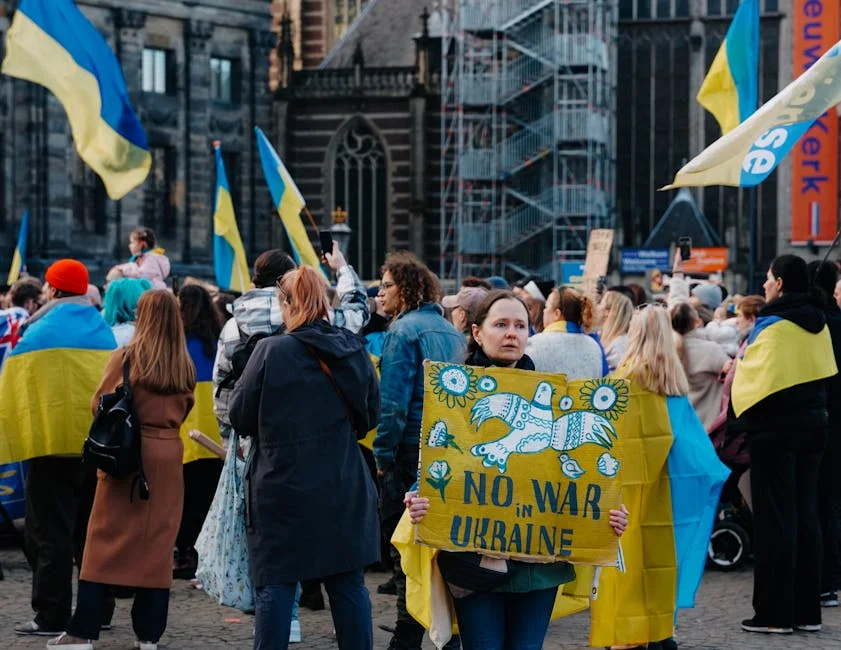
Financial analysts are closely monitoring the reaction of major stock indices, which have shown increased sensitivity to headlines from Kyiv and Moscow. The uncertainty surrounding the duration of the conflict affects corporate earnings forecasts, especially for companies with heavy exposure to the European theater. Investors are increasingly factoring in a "war premium" into their asset allocations, favoring defensive stocks and commodities over growth equities.
Energy Markets Face Continued Pressure
Oil and natural gas prices remain highly sensitive to developments on the front lines, with Brent crude fluctuating as traders assess the risk of supply disruptions. Any escalation in the conflict could lead to renewed sanctions on Russian energy exports, potentially driving up prices for European consumers and industries. The global energy market is still recovering from the initial shocks of the invasion, and prolonged instability threatens to reignite inflationary pressures.
European nations, heavily reliant on imported energy, are particularly vulnerable to price spikes. The European Union has been working to diversify its energy sources, but the pace of transition depends on the stability of the broader geopolitical environment. Businesses in manufacturing and logistics sectors are adjusting their budgets to account for higher energy costs, which could impact profit margins and consumer prices across the continent.
Impact on Natural Gas Supply Chains
Natural gas prices in the Netherlands, a key benchmark for European gas, have shown increased volatility in response to diplomatic statements from both Kyiv and Moscow. The uncertainty affects long-term contracts and spot market pricing, creating challenges for utilities and industrial consumers. Traders are watching for any signs of pipeline disruptions or new export deals that could stabilize the market.
The global energy transition is also being influenced by the war, with investments in renewable energy accelerating in some regions while traditional fossil fuel projects gain renewed attention. This dual trend creates a complex investment landscape, where both green energy stocks and traditional oil and gas companies are seeing shifts in investor sentiment. The outcome of the war will likely determine the long-term trajectory of global energy policy and investment flows.
Agricultural Commodities Under Scrutiny


Ukraine and Russia are among the world’s largest exporters of wheat, corn, and sunflower oil, making the Black Sea region a critical hub for global food security. Disruptions to grain exports due to the war have already led to price increases in key importing countries, particularly in the Middle East and Africa. The ceasefire proposal, if accepted, could ease some of these pressures, but Russia’s skepticism suggests that supply chains may remain strained.
Global food prices are a key indicator of inflation, and any prolonged disruption in Ukrainian exports could lead to higher costs for consumers worldwide. The World Bank has highlighted the war’s impact on global food security, noting that rising prices could push millions into poverty in developing nations. Investors in agricultural commodities are closely monitoring shipping routes and storage levels in the Black Sea region.
Defense Sector Sees Investment Surge
The war has triggered a significant increase in defense spending across NATO countries, benefiting major defense contractors such as Lockheed Martin, Airbus, and BAE Systems. Governments are accelerating procurement processes to replenish stockpiles and modernize military hardware, creating a multi-year growth outlook for the sector. This trend is likely to continue as long as geopolitical tensions remain high, providing a stable revenue stream for defense companies.
Defense stocks have outperformed broader market indices in recent months, reflecting investor confidence in the sector’s resilience. However, the valuation of these companies is also a concern, with some analysts warning of potential corrections if the war ends sooner than expected. Investors need to weigh the long-term geopolitical risks against the current high valuations when making allocation decisions.
Supply Chain Disruptions Persist
The war has disrupted global supply chains, particularly for metals, grains, and manufactured goods. Companies that rely on inputs from Eastern Europe are facing logistical challenges and higher costs. The uncertainty surrounding the duration of the conflict makes it difficult for businesses to plan for the future, leading to increased inventory levels and higher working capital requirements.
Manufacturing sectors in Germany and Poland, which have close economic ties to Ukraine and Russia, are particularly affected. The automotive industry, for example, has faced shortages of semiconductors and raw materials, leading to production delays and higher prices for consumers. Businesses are increasingly looking to diversify their supplier base to mitigate risks associated with geopolitical instability.
Investor Sentiment and Risk Appetite
The dismissal of the ceasefire proposal has dampened investor sentiment, with risk-off assets such as gold and the US dollar gaining strength. The US dollar has remained a safe-haven asset, benefiting from uncertainty in global markets. Gold prices have also risen as investors seek protection against inflation and geopolitical risks. These trends reflect a broader shift in investor behavior, with a greater emphasis on capital preservation.
Equity markets are showing mixed reactions, with technology stocks facing pressure due to higher interest rates and energy stocks benefiting from price volatility. The bond market is also reacting to the geopolitical news, with yields fluctuating as investors adjust their expectations for central bank policy. The Federal Reserve and the European Central Bank are closely monitoring the impact of the war on inflation and growth when making monetary policy decisions.
Future Outlook and Key Indicators
Investors and businesses must remain vigilant as the war continues to shape the global economic landscape. The next few weeks will be critical in determining the direction of energy prices and commodity markets. Key indicators to watch include the movement of Brent crude oil, the price of natural gas in Europe, and the performance of defense stocks. Any new diplomatic developments or military escalations could trigger significant market reactions.
The upcoming winter months will also be a test for the European energy market, as demand for heating increases and supply remains uncertain. Governments and businesses need to prepare for potential price spikes and supply disruptions. The outcome of the war will have long-lasting effects on global trade, investment, and economic growth, making it essential for stakeholders to stay informed and adaptable. Watch for the next round of diplomatic talks scheduled for early next month, which could provide further clarity on the path forward.
See Also
- 2,000 Malawians Queue to Leave South Africa — Employers Sound the Alarm
- Aliko Dangote Forces Africa's Food Security Shift With Fertilizer Push
What is the latest news about zelensky truce plan shocks markets as russia dismisses ceasefire offer?
Why does this matter for politics-governance?
What are the key facts about zelensky truce plan shocks markets as russia dismisses ceasefire offer?