The delay in finalizing the protection status of a key South African nature reserve has triggered immediate economic anxiety among local businesses and investors. Activists claim the site has been effectively "trashed" after a four-year bureaucratic standoff that left the ecosystem vulnerable to unchecked development. This prolonged uncertainty is now rippling through the regional economy, affecting tourism revenues and real estate valuations in the surrounding areas.
Market Uncertainty Plagues Local Businesses
Investors require clarity before committing capital to long-term projects, particularly in the sensitive eco-tourism sector. The four-year wait for a definitive ruling from the provincial department has created a vacuum of confidence. Local hoteliers and lodge owners in the Eastern Cape region report a steady decline in bookings as high-end tourists opt for destinations with guaranteed conservation status.
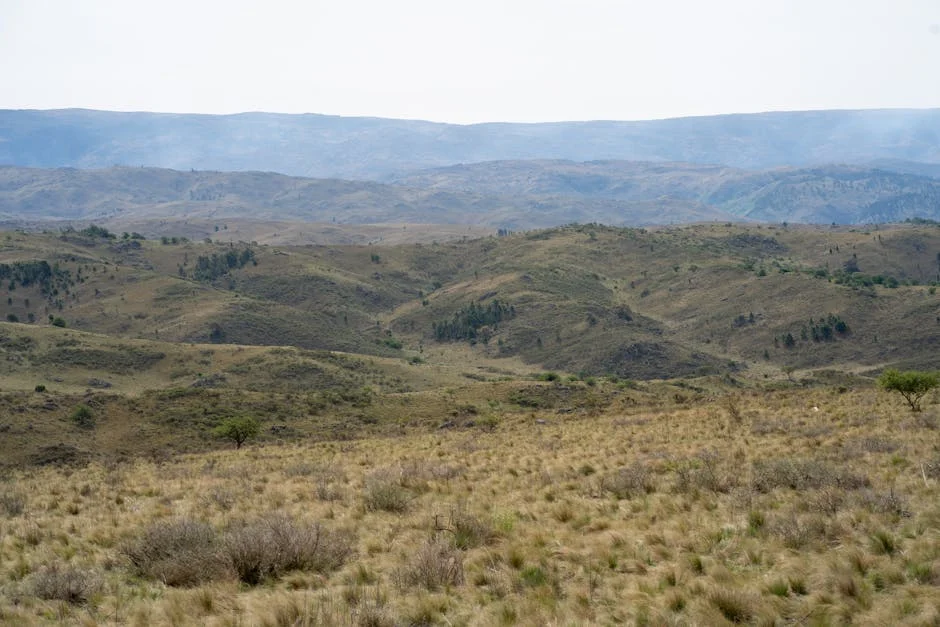
The financial impact is becoming quantifiable. Preliminary data from the local tourism board suggests a 12% drop in annual revenue for businesses within a ten-kilometer radius of the reserve. This contraction forces small enterprises to rely on credit lines, increasing their exposure to rising interest rates set by the South African Reserve Bank. Without a clear regulatory framework, risk premiums for local assets are rising.
Real Estate and Development Stagnation
Property developers have also paused major projects near the reserve boundaries. The lack of a finalized environmental impact assessment means that zoning laws remain in flux. Developers who invested millions in preliminary surveys now face the prospect of sunk costs if the reserve expands into their prime land. This stagnation affects local construction jobs and the supply chain of building materials.
Real estate values in the immediate vicinity have softened. Buyers are hesitant to purchase properties that might fall under new conservation restrictions, which could limit usage rights or impose higher municipal taxes. The uncertainty acts as a tax on the local property market, reducing liquidity and slowing down transaction volumes in the region.
Activists Press for Economic Accountability
Activists have shifted their strategy from pure ecological arguments to highlighting the economic costs of inaction. They argue that the "trashed" state of the haven is not just an environmental loss but a financial liability for the province. By failing to protect the asset, the government is devaluing a natural resource that could generate sustainable income through eco-tourism and carbon credits.
Recent protests organized by local environmental groups have drawn attention to the specific financial mechanisms at play. Activists demand that the Department of Environmental Affairs publishes a detailed cost-benefit analysis of the delay. They point out that every year of inaction costs the local economy an estimated R50 million in potential tourism revenue and job creation opportunities.
The movement has gained traction among local business owners who see the ecological degradation as a direct threat to their bottom line. This alliance between activists and the private sector creates a powerful coalition for change. It forces policymakers to consider the market consequences of their administrative delays, moving the debate beyond ideological lines.
Investment Perspective: Risk and Reward


For institutional investors, the situation presents a classic case of regulatory risk. Markets dislike uncertainty, and the four-year delay signals potential inefficiencies in local governance. Investors are now scrutinizing other nature reserves in South Africa for similar bureaucratic bottlenecks. This could lead to a broader re-evaluation of green bonds and eco-investments in the region.
The potential for a sudden policy shift adds volatility to the local market. If the reserve is granted full protection status, land values might surge due to scarcity, but development rights could become more expensive. Conversely, if the status is downgraded, the ecosystem could face rapid industrialization, potentially devaluing the "green" premium that investors currently enjoy. This binary outcome makes it difficult for fund managers to price the risk accurately.
Financial analysts warn that prolonged uncertainty can lead to capital flight. If local businesses continue to see declining revenues and rising costs, they may relocate to more stable jurisdictions within South Africa. This brain drain of capital and talent would have long-term negative effects on the provincial economy, reducing the tax base and limiting public service funding.
What Investors Should Watch Next
The upcoming quarterly report from the Eastern Cape Tourism Board will provide crucial data on the economic impact of the delay. Investors should monitor the revenue trends of key hotels and lodges in the region to gauge the severity of the downturn. Any significant deviation from the 12% decline could signal either a recovery or a deeper recession in the local market.
Political developments will also play a critical role. The provincial council is scheduled to vote on the protection status in the next legislative session. This vote is expected to be closely contested, with potential for a coalition shift that could alter the final decision. Market participants should watch for any changes in the political landscape that might influence the outcome.
Finally, the reaction of the South African Revenue Service to the changing property values will be important. If the reserve status changes, property tax assessments may be revised, affecting the cash flow of local business owners. Investors need to stay informed on these regulatory updates to adjust their portfolios accordingly and mitigate potential risks.
See Also
- Karnataka Government Revamps Senior Police Officer System: What It Means for Governance
- Yoro Halts Grain Imports — South Africa's Food Prices Surge
Investors should monitor the revenue trends of key hotels and lodges in the region to gauge the severity of the downturn. Financial analysts warn that prolonged uncertainty can lead to capital flight.
What is the latest news about nature haven trashed after fouryear wait for protection decision?
Why does this matter for economy-business?
What are the key facts about nature haven trashed after fouryear wait for protection decision?