Musician Sippinpurpp is reigniting the debate over the relevance of Think Music, a collective that once dominated South Africa's music scene. With the rise of digital platforms, Sippinpurpp argues that the cultural landscape is shifting back to what made 2016 a hallmark year for the genre. This resurgence could have implications for artists, investors, and the broader South African economy.
Understanding Sippinpurpp's Influence
Sippinpurpp, a prominent figure in the South African music scene, has been vocal about the necessity for Think Music's revival. Known for his unique sound and social media presence, Sippinpurpp has amassed over 500,000 followers on Instagram, making him a key influencer. His call for Think Music's return is not just a personal sentiment; it reflects a growing nostalgia among fans and artists who yearn for the era when the collective defined popular music.
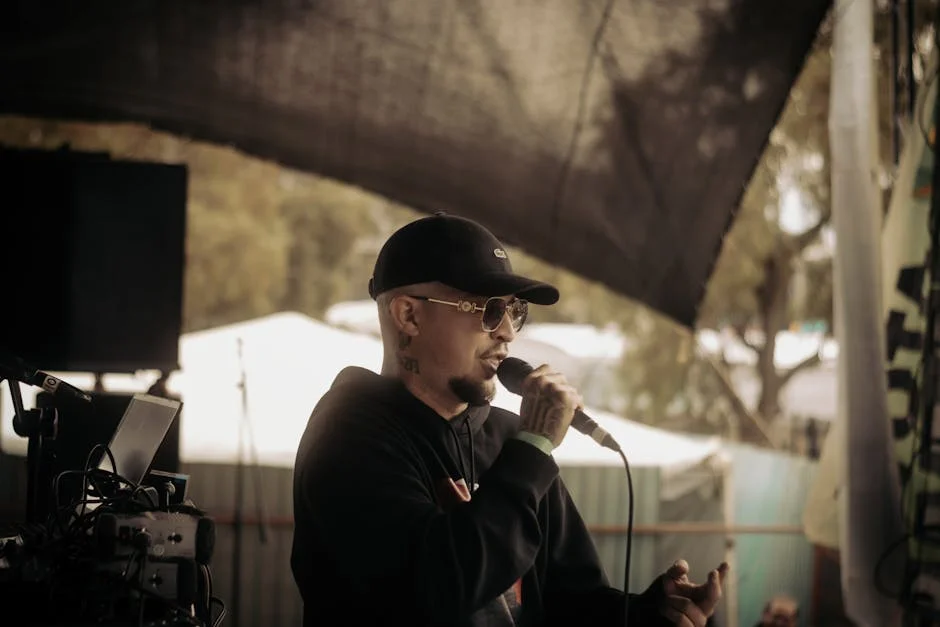
This demand for Think Music comes as South Africa's music industry grapples with the impact of streaming services and changing consumer preferences. Sippinpurpp's push highlights the potential for revitalising local music culture, which could lead to increased revenue opportunities for artists and associated businesses.
The Economic Implications of a Music Resurgence
The revival of Think Music could stimulate various sectors in South Africa. Local businesses, especially those centred around music production, event management, and merchandise, stand to benefit significantly. A strong return of Think Music could lead to a projected 20% increase in concert attendance and merchandise sales, as fans flock to support their favourite artists.
Market Reactions and Investor Interest
Investors are closely monitoring this cultural shift, as music trends often correlate with broader economic activities. The South African music industry has been valued at approximately R2.4 billion ($160 million) in recent years, and a resurgence could bolster this figure even further. With companies like Mixtakes exploring partnerships with emerging artists, investor interest in the local music scene is likely to grow.
Challenges Ahead for Think Music


Despite the enthusiasm, challenges remain. The landscape is far more competitive than it was in 2016, with many new artists and genres vying for attention. Think Music will need to adapt to the digital age, leveraging social media and streaming platforms to reach a broader audience. The collective's ability to innovate will determine its success in re-establishing itself.
What to Watch Next
As Sippinpurpp continues to advocate for Think Music, the music industry will be on high alert for any developments. Upcoming festivals and events in Johannesburg and Cape Town may provide a platform for a revival, showcasing both established and emerging talents. Stakeholders should keep an eye on ticket sales and social media trends, as these will likely signal the potential success of a Think Music comeback.