The recent UNESCO recognition of Iceland’s geothermal pools and hot tubs has sparked mixed reactions among locals. Officially announced on October 5, 2023, the designation aims to promote sustainable tourism while acknowledging the cultural significance of these natural resources.
Impact on Local Businesses and Tourism
The recognition is expected to enhance Iceland's appeal as a tourist destination, which already attracted over 2.5 million visitors in 2022. This influx of tourists could significantly benefit local businesses, particularly in the hospitality and service industries, as travellers flock to experience the geothermal wonders.
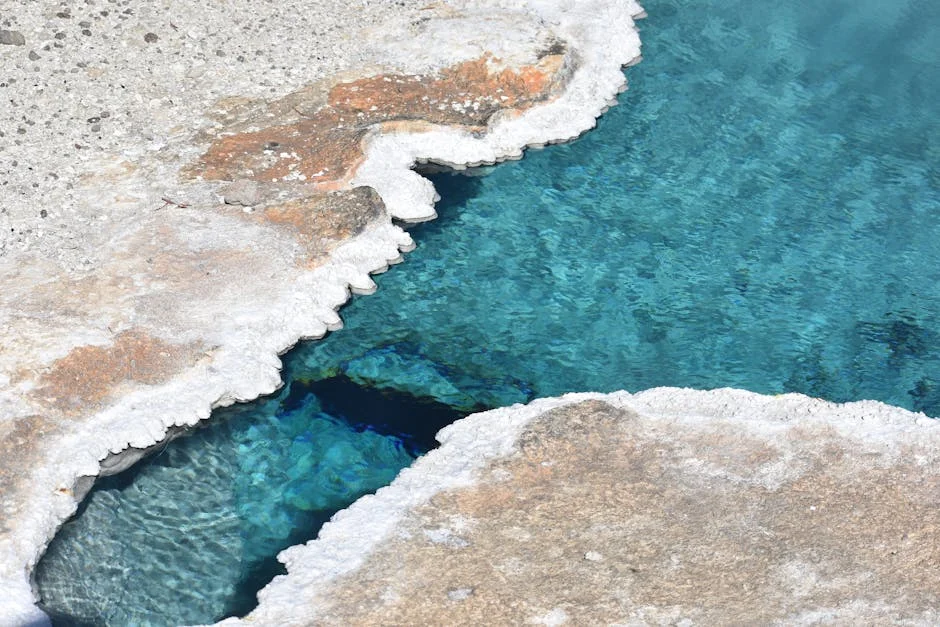
However, some Icelanders are concerned that increased tourism may lead to overcrowding and strain on local resources. Business owner Anna Jónsdóttir, who runs a small café near one of the popular hot springs, expressed her apprehension, stating, "While I welcome more visitors, I worry about the sustainability of our infrastructure and the preservation of our natural landscapes."
Economic Concerns Among Locals
The pushback from some residents highlights a broader economic concern regarding the balance between tourism and local quality of life. Increased foot traffic can lead to higher prices and a potential loss of community identity, prompting discussions about how to manage this growth sustainably.
Local governments are now weighing potential regulations to mitigate these impacts. This includes considerations for limiting access to certain sites during peak seasons to preserve the environment and ensure that local communities are not adversely affected.
International Implications and South African Context

Iceland’s recognition may also have implications beyond its borders, particularly for South Africa. With both nations being tourism-centric economies, Iceland’s approach could influence how South Africa manages its own natural attractions. If Iceland successfully balances tourism growth with local needs, it could serve as a model for South Africa, where natural sites also face visitor management challenges.
Local businesses in South Africa, especially in regions like Cape Town, may look to Iceland’s experience when considering their own tourism strategies. This could lead to collaborations or knowledge exchanges aimed at promoting sustainable tourism across both countries.
What to Watch Next
As Iceland navigates the challenges of its new UNESCO status, stakeholders will be closely monitoring the response from both the local community and the tourism industry. Upcoming town hall meetings and discussions among community leaders will be pivotal in shaping how Iceland balances its newfound recognition with the needs of its residents. For investors and businesses, understanding these dynamics will be crucial in capitalising on the opportunities presented by this unique recognition.