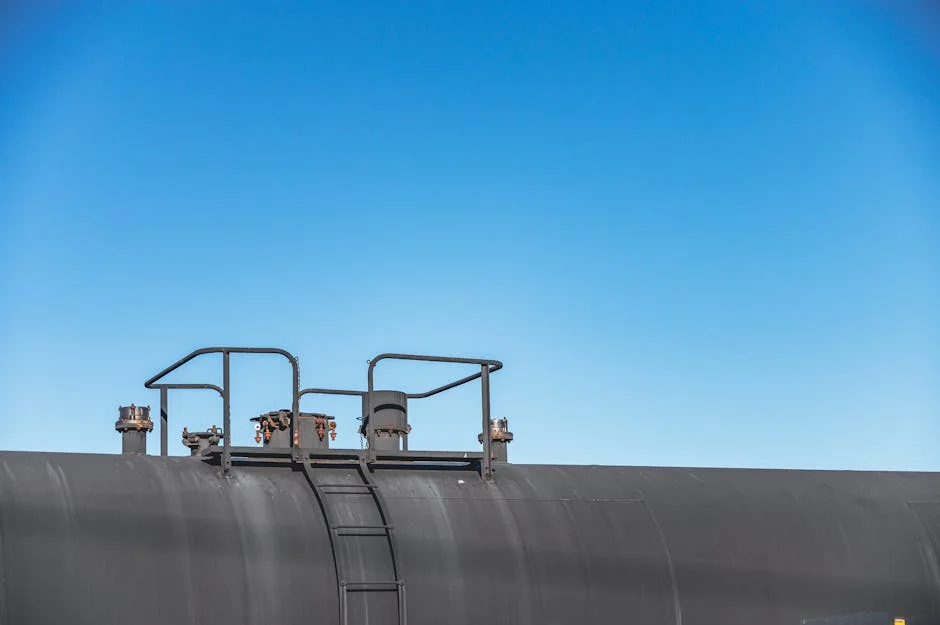
The South African government has confirmed that it will ensure a full supply of Liquefied Petroleum Gas (LPG), Piped Natural Gas (PNG), and Compressed Natural Gas (CNG) amid rising consumer concerns over availability. The announcement aims to alleviate fears of shortages and discourage the public from panic buying.
Government Assurance and Public Reaction
Minister of Mineral Resources and Energy, Gwede Mantashe, addressed the nation on Monday, emphasising that there is no need for alarm regarding the availability of LPG, PNG, and CNG. "We are committed to maintaining a stable supply to meet the nation's energy needs," he stated during a press conference in Pretoria.
Despite the government's assurances, reports indicate that some consumers have already begun stockpiling, fearing potential disruptions. This reaction is reminiscent of previous instances where panic buying led to temporary shortages and inflated prices in local markets.
Economic and Market Implications
Ensuring a stable supply of these energy sources is crucial for several sectors reliant on them, including manufacturing, transportation, and domestic energy consumption. The stability in supply is expected to prevent sudden price hikes, which could have adverse effects on both businesses and consumers.
According to the Department of Mineral Resources and Energy, South Africa consumes approximately 3 million tonnes of LPG annually. This figure highlights the importance of sustained supply lines to keep the economy running smoothly without interruptions.
Investor and Business Perspectives


Investors are keeping a close eye on how the government’s measures will impact the energy market. Stability in the energy sector often translates to confidence in the broader market, potentially leading to increased investments.
Businesses, particularly those in energy-intensive industries, may find relief in the government’s commitment to ensuring supply. The assurance of availability prevents operational disruptions and helps maintain production schedules, which is vital for economic growth.
Future Monitoring and Developments
While the government has pledged to maintain a 100% supply of these essential energy sources, ongoing monitoring will be crucial. The public and businesses should watch for any updates from the Department of Mineral Resources and Energy regarding changes in supply levels or pricing structures.
Additionally, businesses and investors should prepare for potential shifts in the market should the global energy landscape experience significant changes. Keeping abreast of local and international developments will be essential for strategic planning and decision-making.
See Also
- Nada Itrab Survives Against All Odds: What Her Story Means for Healthcare in Africa
- Floating Factories Plunder 'Galápagos of West Africa' as Bubaque Faces Fishing Crisis
What is the latest news about south africa ensures 100 lpg supply but panic buying persists?
Why does this matter for economy-business?
What are the key facts about south africa ensures 100 lpg supply but panic buying persists?