Donald Trump's special envoy to Mundial2026 has requested Italy to replace Iran in the upcoming tournament. The move, reported by the Financial Times, is seen as an attempt to leverage global sporting events to exert political influence. The announcement has sent ripples through international markets, with businesses and investors closely monitoring the potential economic implications.
Italy's Strategic Role in Mundial2026
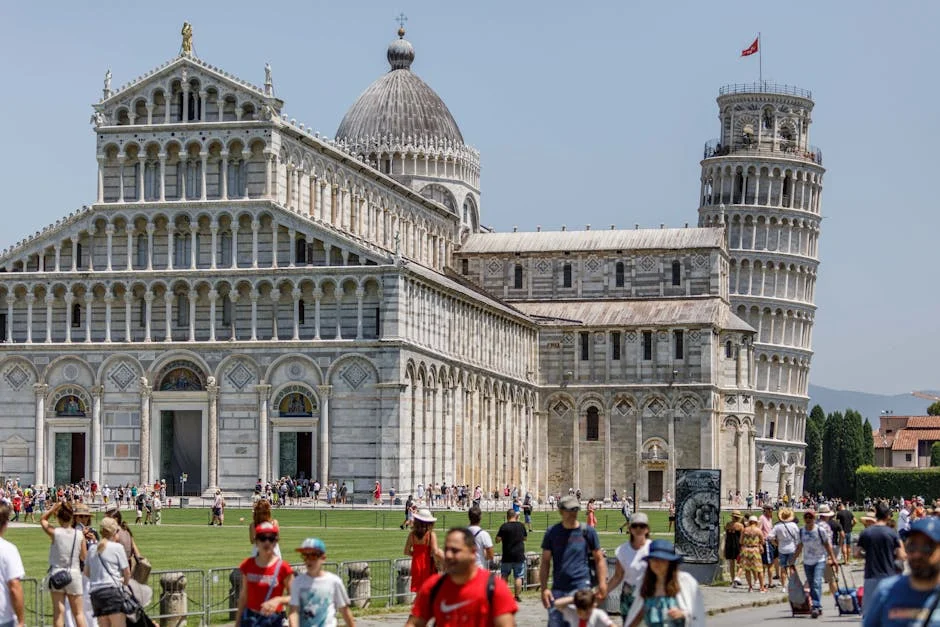
Italy's inclusion in Mundial2026 could significantly impact the tournament's economic landscape. As a major European economy, Italy's participation may boost sponsorship deals and consumer spending associated with the event. Historically, Italy has been a strong contender in global sports, drawing significant viewer engagement and media rights deals. This could translate into increased advertising revenue and tourism for the host nations.
The decision to exclude Iran, however, may lead to geopolitical tensions. Iran's market, although not a major player in international football, is significant in terms of regional influence. Businesses with interests in the Middle East are assessing the potential ramifications of this change. The political message behind this request aligns with Trump's previous foreign policy strategies, which have often been controversial.
Market Reactions and Business Implications
The reaction from the markets has been cautious. Analysts predict that if Italy replaces Iran, there could be a shift in betting odds and merchandise sales, influencing related industries. Companies involved in the supply chain for the event, from apparel to travel, are revising forecasts to accommodate this potential change. The expectation is that Italy's larger economic footprint could lead to increased economic activity around Mundial2026.
Investors are also keeping an eye on the financial markets, particularly in sectors such as media rights, tourism, and hospitality. Should Italy participate, it is anticipated that there would be a surge in demand for related services, potentially boosting stock prices in these industries. However, the uncertainty surrounding the geopolitical implications could also lead to short-term volatility.
Global Economic and Political Implications
This development comes amid growing concerns over how international sporting events are being used as platforms for political statements. Trump's influence on Mundial2026 underscores the intersection of sports and politics, with potential long-term impacts on global trade relations. The move could either pave the way for new alliances or heighten existing tensions, particularly between Western countries and the Middle East.
Furthermore, this shift raises questions about the role of the United States in international sporting events. By advocating for Italy, Trump continues to exert influence even beyond his presidency, shaping global narratives in ways that could affect international business practices and economic policies.
What to Watch Next
As the situation develops, stakeholders should watch for official responses from FIFA and the respective governments involved. Any formal decision to include Italy could set a precedent for how future sporting events are organised and politicised. Additionally, businesses should prepare for potential adjustments in trade agreements or tariffs that could arise from changing geopolitical alliances. The next few months will be crucial in determining how these developments unfold and their broader economic impact.
See Also
- The Moorings Unveils Turkey as Prime Sailing Destination for South Africans: What It Means for Travel
- Pedro Pinto Reveals Insights on South Africa’s Economic Path - The Full Analysis
See AlsoThe Moorings Unveils Turkey as Prime Sailing Destination for South Africans: What It Means for TravelPedro Pinto Reveals Insights on South Africa’s Economic Path - The Full Analysis However, the uncertainty surrounding the geopolitical implications could also lead to short-term volatility.Global Economic and Political ImplicationsThis development comes amid growing concerns over how international sporting events are being used as platforms for political statements.