In Jaipur, a troubling situation has emerged where human workers are continuously sent into hazardous sewers while advanced cleaning machines stand unused. This decision has led to multiple fatalities in the city, raising serious questions about operational efficiency and safety priorities.
Machines Idle Amid Human Risk
Jaipur, the capital city of Rajasthan, has invested in sewer cleaning machines designed to reduce human labour and increase safety. However, these machines have been left to gather dust while workers are still being deployed into dangerous conditions. This practice has resulted in at least five worker deaths in the past year.
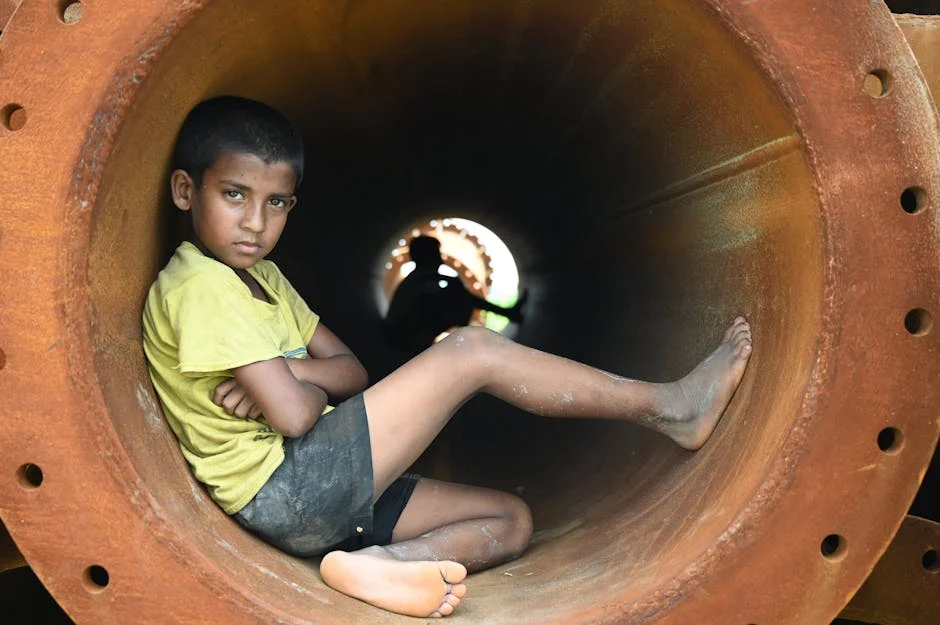
The Jaipur Municipal Corporation, responsible for maintaining the city's sanitation, has faced criticism for failing to utilise these machines. Despite the availability of technology, human workers continue to be exposed to life-threatening situations underground.
Economic and Market Implications
This situation poses significant economic implications. For businesses involved in manufacturing and supplying these machines, the lack of use represents a missed opportunity for sales and growth. The global market for sanitation technology could see an impact if other regions follow Jaipur's example, opting for manual labour over mechanical solutions.
Investors in the sanitation technology sector are particularly concerned. The inaction by Jaipur may deter further investments in this industry, potentially slowing innovation and development of more efficient and safer solutions.
Why Jaipur's Approach Matters


Impact on Safety Standards
Jaipur's reluctance to adopt machine use has broader implications for safety standards across India. It raises questions about the commitment of municipalities to protect worker welfare, which could influence policies nationwide. Municipalities in other regions might reconsider or delay the adoption of mechanised solutions.
Financial Considerations
There is also a financial aspect to consider. Each unnecessary deployment of human workers could lead to potential lawsuits and compensation claims, straining municipal budgets. With machines already procured, failing to use them effectively equates to a waste of public funds.
Looking Forward: What to Watch Next
Jaipur's situation is a focal point for upcoming policy reviews in urban sanitation management. Stakeholders, including policymakers and investors, will be closely monitoring how the Jaipur Municipal Corporation addresses these issues. The potential for policy shifts towards mandatory machine use could have widespread implications across India. Meanwhile, the sanitation technology market will be watching for signals of increased adoption or continued hesitance by municipalities to embrace mechanisation.
The inaction by Jaipur may deter further investments in this industry, potentially slowing innovation and development of more efficient and safer solutions.Why Jaipur's Approach MattersImpact on Safety StandardsJaipur's reluctance to adopt machine use has broader implications for safety standards across India. It raises questions about the commitment of municipalities to protect worker welfare, which could influence policies nationwide.