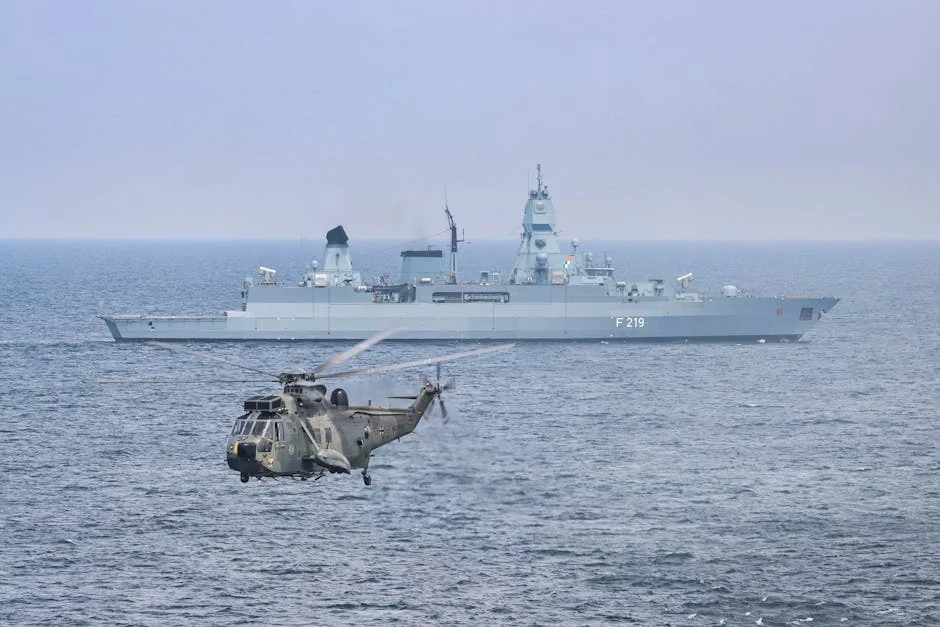
US President Donald Trump has dismissed the possibility of extending the ceasefire in the Strait of Hormuz, warning that the current agreement is unlikely to be prolonged as the deadline approaches. The statement comes amid heightened tensions in the region, with Iran and the US locked in a diplomatic standoff over maritime security. The Strait of Hormuz, a critical global shipping lane, remains a focal point for geopolitical and economic concerns.
Strategic Significance of Hormuz
The Strait of Hormuz, located between Iran and Oman, is one of the world’s most important maritime routes, with nearly 20% of global oil shipments passing through its waters. The area has seen increased military activity in recent months, raising fears of a broader conflict that could disrupt global trade. The US and Iran have been engaged in a diplomatic tug-of-war over the security of this vital corridor, with both sides accusing each other of escalating tensions.
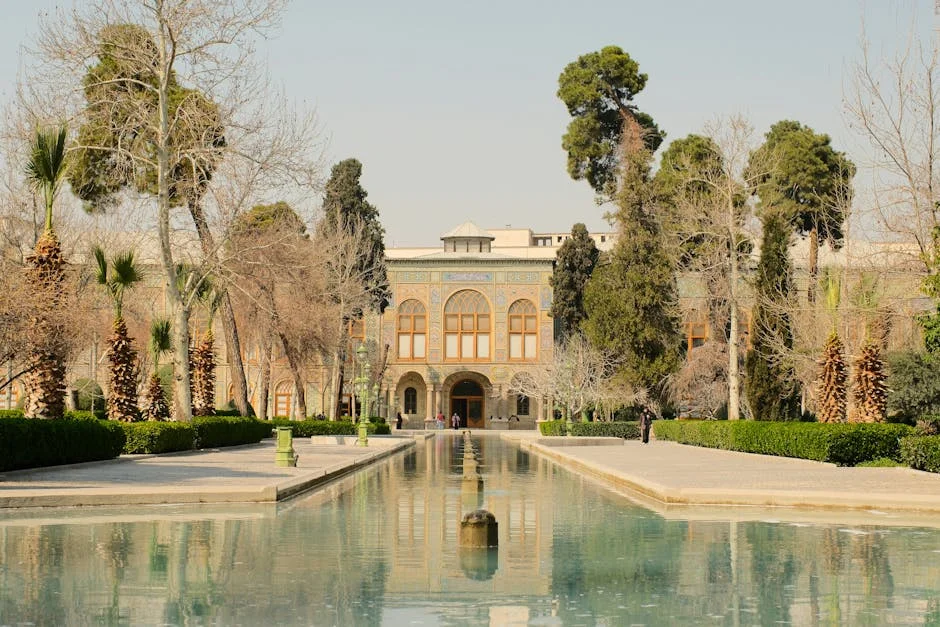
Analysts warn that any disruption in the strait could lead to a sharp rise in global oil prices. In 2019, a similar standoff saw oil prices surge by over 20% within a week. The current situation has already led to increased insurance costs for tankers and higher operational expenses for shipping companies operating in the region. The International Energy Agency (IEA) has urged caution, highlighting the potential economic fallout from a prolonged conflict.
Trump's Stance and Geopolitical Implications
President Trump’s comments come at a critical moment, with the deadline for the ceasefire fast approaching. He has repeatedly criticized the previous administration’s approach to Iran, arguing that the current deal does not adequately address the security concerns of the US and its allies. “We have to be strong, and we have to be smart,” Trump said in a recent press briefing. “A ceasefire that doesn’t protect our interests is not worth the paper it’s written on.”
The US has maintained a significant naval presence in the region, with the USS Abraham Lincoln and other vessels stationed near the strait. This military buildup has been seen as a show of strength by Washington, but it has also raised concerns among regional actors about the potential for accidental escalation. The Iranian government has warned that any further military action would be met with a strong response, with Foreign Minister Mohammad Javad Zarif stating, “We are ready for any scenario, but we hope for peace.”
Market Reactions and Investor Sentiment

Financial markets have reacted cautiously to the latest developments, with the price of Brent crude oil rising by 1.5% in early trading. Investors are closely watching the situation, as any disruption in the flow of oil through the strait could have far-reaching economic consequences. “The Strait of Hormuz is a key vulnerability in the global energy supply chain,” said Sarah Lin, an energy analyst at JPMorgan. “Even a temporary disruption could send shockwaves through global markets.”
Stocks in major oil-producing nations have also been affected, with Saudi Aramco’s shares dropping slightly after the news. The company, which plays a central role in global oil exports, has been under pressure to stabilize supply amid the uncertainty. Meanwhile, the South African rand has remained stable, but economists warn that any further escalation could lead to increased inflation and higher import costs for the country.
What’s Next for the Region and the World
With the deadline for the ceasefire approaching, the next few days will be crucial in determining the trajectory of the conflict. Both the US and Iran are expected to continue diplomatic efforts, but the likelihood of a peaceful resolution remains uncertain. The United Nations has called for restraint, with Secretary-General António Guterres urging both sides to avoid any actions that could lead to further conflict.
Investors and businesses are advised to monitor the situation closely, as any escalation could have significant economic repercussions. The Strait of Hormuz remains a strategic flashpoint, and its stability is vital for global trade and energy security. As the clock ticks down, the world watches to see whether diplomacy or conflict will prevail.
The coming days will determine whether the current ceasefire holds or if tensions will escalate into a broader regional crisis. With oil prices already rising and geopolitical risks on the rise, the global economy remains on edge. What happens next in the Strait of Hormuz will shape not only the future of US-Iran relations but also the stability of global markets.
See Also
- Wall Street Slumps as Middle East Tensions and AI Advances Shake Markets
- CBI Arrests DGCA Official in Bribery Scandal — Aviation Stocks React
“The Strait of Hormuz is a key vulnerability in the global energy supply chain,” said Sarah Lin, an energy analyst at JPMorgan. “Even a temporary disruption could send shockwaves through global markets.” Stocks in major oil-producing nations have also been affected, with Saudi Aramco’s shares dropping slightly after the news.
What is the latest news about trump slams iran ceasefire as deadline looms?
Why does this matter for economy-business?
What are the key facts about trump slams iran ceasefire as deadline looms?