Turkey has blocked six African athletes from transferring to Turkish clubs, citing regulatory and administrative issues. The move has raised concerns among sports bodies and investors in South Africa, where many athletes and teams have strong ties to Turkish football and athletics. The affected athletes, from Nigeria, Kenya, and Ghana, were reportedly in the process of signing with Turkish clubs when the transfers were halted by the Turkish World Athletics organization. The decision has sparked discussions about the broader implications for sports and economic partnerships between African nations and Turkey.
Turkey’s Regulatory Crackdown on Athlete Transfers
The Turkish Ministry of Youth and Sports confirmed the suspensions, stating that the athletes failed to meet new licensing requirements introduced in early 2024. The rules, which aim to improve the quality of foreign athletes in Turkish leagues, require additional documentation, including proof of income and medical clearances. The affected athletes, who were set to join clubs in Istanbul and Ankara, have not yet received formal explanations for the suspensions.
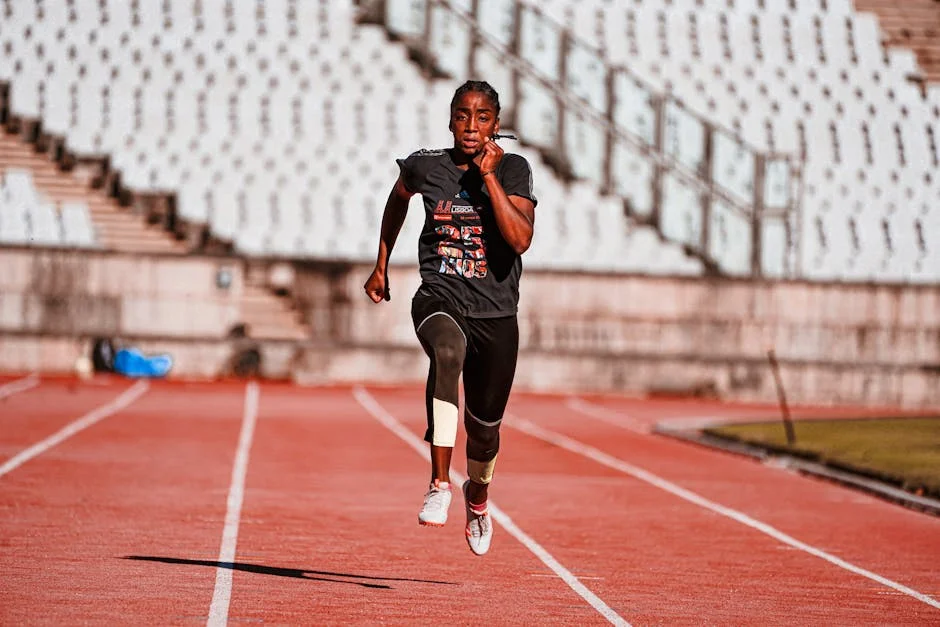
The move has drawn criticism from the African Union’s Sports Council, which called the restrictions “disproportionate and uncooperative.” A spokesperson for the body said, “These athletes represent a bridge between African and Turkish sports markets. Their blocking undermines regional cooperation and could deter future investments in talent development.”
Impact on South African Sports and Investment
South Africa, which has long been a hub for African athletes seeking international opportunities, is closely monitoring the situation. The country’s sports ministry has expressed concerns that the Turkish restrictions could deter African athletes from pursuing careers in Turkey, affecting talent flows and investment in South African sports infrastructure.
“This is a red flag for investors looking to partner with Turkish sports entities,” said Dr. Thandiwe Molefe, an economist at the University of Cape Town. “If foreign athletes face unnecessary barriers, it could discourage partnerships that bring in millions of dollars in sponsorship and media deals.”
Broader Economic Implications


The Turkish sports sector, which generates over $2 billion annually, has become a key player in Africa’s sports economy. Many South African agents and talent agencies have long relied on Turkish leagues as a gateway for African athletes to reach European markets. The current restrictions could disrupt these networks, affecting both players and the businesses that support them.
“If Turkish clubs become less accessible, South African agents may have to look for alternatives, which could slow down the development of African talent,” said Mpho Nkosi, a sports agent based in Johannesburg. “This isn’t just about a few athletes — it’s about the entire ecosystem.”
Regional Tensions and Future Steps
The decision has also sparked diplomatic discussions between Turkey and several African nations. A meeting between Turkish and South African sports ministers is scheduled for next month to address the issue. Meanwhile, the African Union is considering a formal complaint with the International Olympic Committee.
South African businesses, particularly those in the sports and entertainment sectors, are now preparing for potential shifts in talent acquisition. “We’re looking at alternative markets, but nothing compares to Turkey’s reach and infrastructure,” said Nkosi.
What’s Next for the Athletes and the Markets?
The six athletes involved are expected to appeal the decision, with legal action potentially opening in the coming weeks. Meanwhile, the Turkish government has hinted at further reforms to its sports licensing system, which could either ease or complicate the situation for future transfers.
For South Africa, the incident underscores the importance of maintaining strong ties with key international sports markets. As the African Union prepares to hold its next sports summit in July, the issue of athlete mobility and regulatory cooperation will likely be a central topic.
Investors and sports businesses should closely monitor the outcome of the upcoming negotiations between Turkey and African nations. The next few months could determine whether the current restrictions are a short-term hurdle or the start of a broader shift in how African athletes access international opportunities.
See Also
- Keyamo Slams INEC for Timely Derecognition of Leaders — Calls for Transparency
- Ramaphosa Confirms Land Restitution Policy — North West Businesses Brace for Change