UK Chancellor Rachel Reeves has dismissed concerns over fuel shortages, confirming that the country’s fuel supply remains stable. The statement comes amid growing global uncertainty, with the International Monetary Fund (IMF) recently issuing warnings about economic vulnerabilities in several regions, including South Africa. Reeves’ remarks aim to reassure businesses and investors, but the broader implications of global economic shifts remain a key concern for markets.
Reeves Confirms No Fuel Shortages Amid Global Uncertainty
Reeves, speaking at a press briefing in London, said, “There is no evidence of fuel shortages in the UK, and we are working closely with suppliers to ensure continued stability.” The statement was made in response to reports of supply chain disruptions in parts of Europe, particularly in France and Germany, where fuel prices have risen by 8% in the past month. The UK government has also been monitoring the situation in Washington, where the IMF recently highlighted risks to global economic growth.
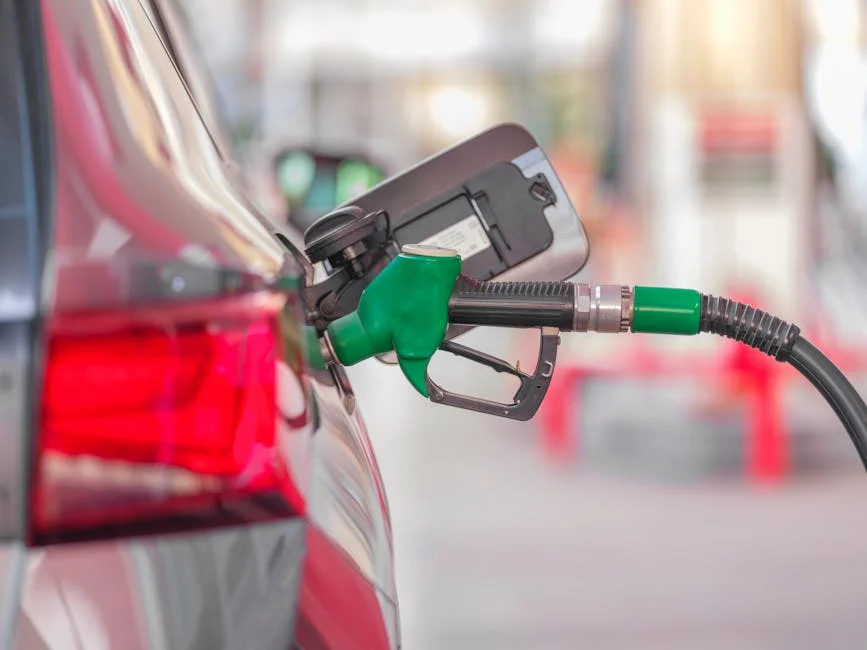
“The UK is not facing the same challenges as other regions,” Reeves added. “Our fuel infrastructure is resilient, and we are prepared for any potential shocks.” This confidence comes as the IMF warns that global inflation could remain above target for a longer period, with South Africa’s economy particularly vulnerable due to energy shortages and rising debt levels. The IMF’s analysis of South Africa’s fiscal health has raised concerns among investors, who are closely watching how the UK’s stable supply chain might influence global markets.
Global Markets React to IMF Warnings and Fuel Stability
The UK’s assurance of fuel stability has had a mixed impact on financial markets. While the FTSE 100 rose by 0.7% on Tuesday, reflecting investor relief, the pound fell against the euro amid broader concerns over inflation and central bank policies. The IMF’s recent report on global economic risks has added to the uncertainty, with its analysis of South Africa’s economy suggesting that the country may face a 2% contraction in 2025 if current trends continue.
“The UK’s fuel stability is a positive sign, but the global outlook remains fragile,” said Dr. Emma Clarke, an economist at the London School of Economics. “The IMF’s warnings about South Africa and other emerging markets highlight the interconnected nature of today’s economy.” The report also notes that Washington’s role in global financial stability is more critical than ever, with the US Federal Reserve expected to make key decisions in the coming months that could affect markets worldwide.
Businesses and Investors Take a Cautious Approach


UK businesses, particularly those in the logistics and energy sectors, have taken note of Reeves’ statement. “We’re monitoring the situation closely, but so far, there’s no disruption to our operations,” said James Carter, CEO of UK-based logistics firm TransPort. “However, we’re aware that global supply chain issues could still impact us in the long term.”
Investors are also watching the situation carefully. “While the UK’s fuel supply is stable, the broader economic risks are still present,” said Sarah Mitchell, a portfolio manager at BlackRock. “The IMF’s analysis of South Africa and other regions suggests that global markets may see more volatility in the coming months.” This cautious outlook has led to a slight increase in demand for safe-haven assets, such as gold and US Treasury bonds.
What to Watch Next: IMF Reports and Central Bank Decisions
The coming weeks will be critical for both the UK and global markets. The IMF is set to release its latest global economic outlook in early April, with particular attention on South Africa’s economic performance and the impact of rising energy costs. In Washington, the US Federal Reserve is expected to announce its next interest rate decision, which could influence global capital flows and currency markets.
“The UK’s fuel stability is good news, but the real test will come in how global economies respond to the IMF’s warnings,” said Professor David Roberts, an economic analyst at the University of Cambridge. “Investors should be prepared for more volatility, especially in emerging markets.”
As the UK continues to navigate a complex global economic landscape, the focus will remain on how policymakers in London, Washington, and beyond respond to the challenges ahead. For now, the message from Reeves is clear: the UK’s fuel supply is secure, but the broader economic risks require vigilance and preparation.
Frequently Asked Questions
What is the latest news about uk government vows no fuel shortages as reeves confirms supply stability?
UK Chancellor Rachel Reeves has dismissed concerns over fuel shortages, confirming that the country’s fuel supply remains stable.
Why does this matter for economy-business?
Reeves’ remarks aim to reassure businesses and investors, but the broader implications of global economic shifts remain a key concern for markets.
What are the key facts about uk government vows no fuel shortages as reeves confirms supply stability?
The UK government has also been monitoring the situation in Washington, where the IMF recently highlighted risks to global economic growth.