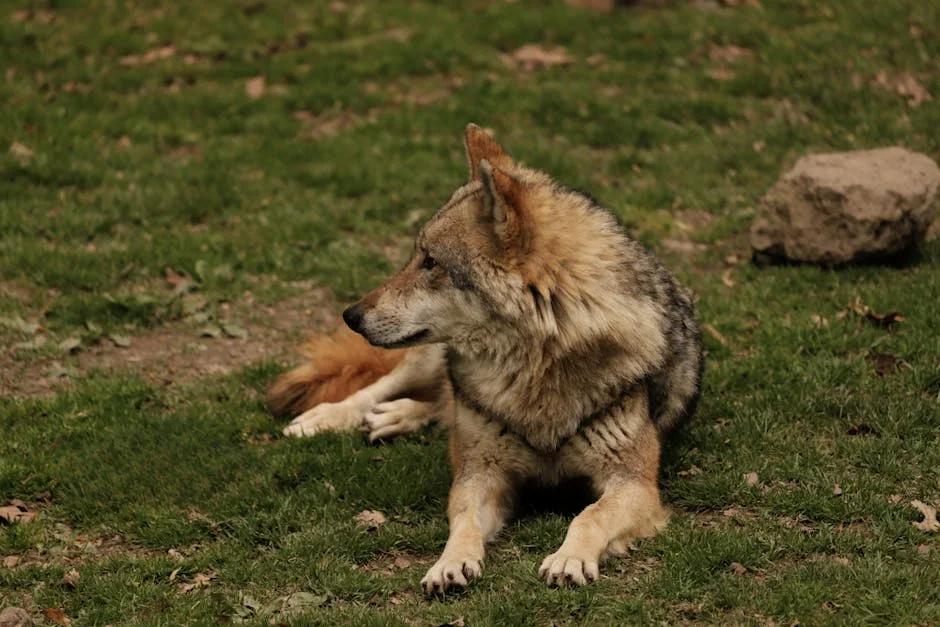
South Korea’s search for an escaped wolf has triggered a debate about the intersection of technology, wildlife conservation, and tourism. The incident began in Neukgu, a district in Gyeonggi Province, where a wolf was spotted in early March after escaping from a local wildlife sanctuary. Authorities, including the Ministry of Environment, have deployed AI-powered image recognition systems and acoustic monitoring tools to track the animal. The hunt has drawn public attention, with hundreds of citizens and media outlets following the developments.
Technology Meets Nature
The use of AI and sound detection technology marks a significant shift in how South Korea manages wildlife. The Ministry of Environment confirmed that the system, developed by a local tech firm, can identify wolf howls with 98% accuracy. This technology has been tested in other regions but has never been used in a real-time search operation of this scale. The system is linked to a central database, allowing officials to cross-reference howls with known animal movements.
The deployment of this technology has raised questions about its long-term impact on wildlife management. Some experts argue that AI can enhance conservation efforts by reducing human interference. Others warn that overreliance on technology could lead to complacency in traditional monitoring methods. “This is a step forward, but we must ensure it doesn’t replace the need for ground-level observation,” said Dr. Lee Min-jun, a wildlife biologist at Seoul National University.
Economic and Market Implications
The wolf hunt has had an unexpected impact on the local economy. Neukgu, a region known for its agricultural and tech hubs, has seen a surge in tourism. Visitors have flocked to the area to witness the search efforts, leading to increased revenue for local businesses. A local café owner, Park Soo-jin, reported a 40% rise in sales since the hunt began. “People are coming from all over the country just to see if the wolf is still around,” he said.
The event has also attracted interest from international investors. A venture capital firm based in Seoul, GreenTech Ventures, has expressed interest in funding further development of the AI monitoring system. The firm’s CEO, Kim Ji-hoon, said the technology has potential beyond wildlife tracking. “This could be scaled for urban safety, agriculture, and even disaster response,” he added.
Public Reaction and Social Media Influence


Social media has played a central role in shaping public perception of the wolf hunt. Hashtags like #NeukguWolf and #SouthKoreaWildlife have trended on platforms such as KakaoTalk and Twitter. The public has shown a mix of curiosity and concern, with many calling for more transparency from authorities. The Ministry of Environment has responded by holding regular press briefings, which have been viewed by over 500,000 people in the past week.
The incident has also sparked a broader conversation about the balance between technology and nature. Some social media users have praised the use of AI as a modern solution, while others have raised concerns about the ethical implications of using surveillance tools in natural habitats. “We need to ensure that technology serves the environment, not the other way around,” wrote a user on a popular forum.
Conservation and Policy Considerations
The incident has prompted a review of wildlife protection policies in South Korea. The Ministry of Environment is considering stricter regulations for sanctuary operations, including mandatory training for staff and the use of biometric tracking for animals. These changes could affect the operations of several private and public wildlife facilities across the country.
The debate has also highlighted the need for better public education on wildlife. A recent survey by the Korean Institute of Public Opinion found that 65% of respondents had limited knowledge about local wildlife species. This has led to calls for more community-based conservation initiatives, which could create new job opportunities in rural areas.
Looking Ahead
The search for the escaped wolf is expected to continue for at least another week, with authorities planning to expand their monitoring efforts. If the wolf is not found, the Ministry of Environment will reassess its approach to wildlife management. Investors and policymakers are watching closely, as the outcome of this incident could influence future technology investments and environmental policies.
For now, the hunt remains a unique blend of technology, nature, and public engagement. Whether the wolf is found or not, the event has already sparked a conversation that extends beyond the forests of Neukgu, touching on the future of conservation, innovation, and public participation in environmental issues.
See Also
- Casillas Slams Xabi Alonso — Real Madrid’s Market Value Takes a Hit
- Elements Lamb Unveils Sustainable Farming Initiative: Impact on South Africa's Future
What is the latest news about south koreas wolf hunt sparks tech and tourism debate?
Why does this matter for economy-business?
What are the key facts about south koreas wolf hunt sparks tech and tourism debate?