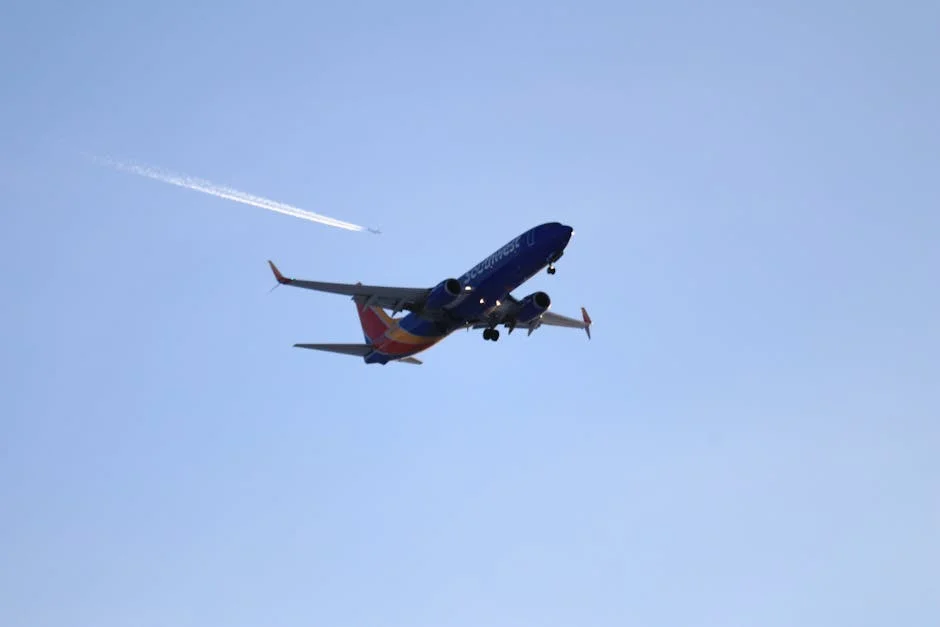
The Federal Aviation Administration (FAA) has announced a cap on the number of flights at Chicago's O'Hare International Airport, effective immediately, to mitigate ongoing delays and cancellations. This decision comes as a response to mounting congestion and aims to streamline operations at one of the U.S.'s busiest airports.
Background on Flight Caps
O'Hare has been experiencing an increase in flight delays and cancellations, which has disrupted both domestic and international travel. The FAA's decision seeks to bring more predictability to air traffic, but it could also have wider implications for the industry.

O'Hare handled over 900,000 flights in 2022, according to the Chicago Department of Aviation. The new cap is expected to reduce operations by approximately 10% in the short term, affecting airlines and passengers alike.
Impact on Airlines and Businesses
Airlines operating out of O'Hare will likely face financial challenges due to the reduced flight schedules. Carriers such as United Airlines and American Airlines, which have major hubs at O'Hare, may need to adjust their operations and potentially incur financial losses.
Business travelers and cargo services are also expected to feel the pinch, as the cap could lead to longer wait times and logistical complications. This is particularly concerning for time-sensitive shipments and industries reliant on just-in-time delivery.
Global Market Implications


Effects on South African Markets
The decision by the FAA could have ripple effects on international markets, including South Africa. As flight delays and cancellations persist in the U.S., South African businesses dependent on American imports and exports might experience disruptions.
Furthermore, the travel cap may influence global supply chains, potentially causing delays in goods reaching South African shores. Investors in both countries should closely monitor these developments, as prolonged disruptions could affect market stability.
Looking Ahead
The FAA's flight cap at O'Hare is expected to be a temporary measure, but the duration remains uncertain. Industry analysts suggest monitoring the situation over the coming months to assess its impact on the airline industry and global markets.
Stakeholders are advised to keep an eye on potential policy adjustments or further caps at other major U.S. airports. As the situation evolves, businesses and investors should prepare for possible disruptions in both operational and financial aspects.
Industry analysts suggest monitoring the situation over the coming months to assess its impact on the airline industry and global markets.Stakeholders are advised to keep an eye on potential policy adjustments or further caps at other major U.S. This is particularly concerning for time-sensitive shipments and industries reliant on just-in-time delivery.Global Market ImplicationsEffects on South African MarketsThe decision by the FAA could have ripple effects on international markets, including South Africa.