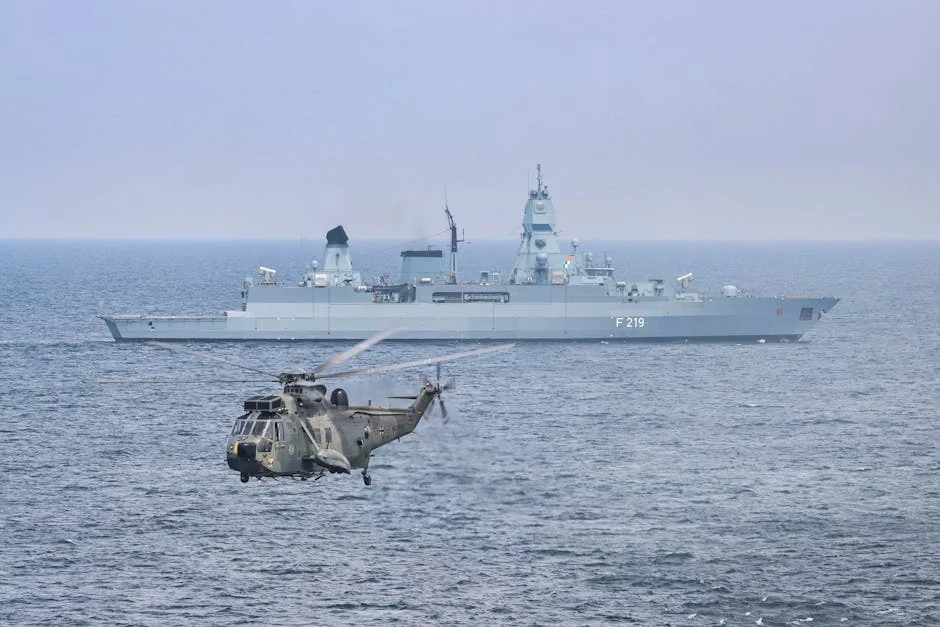
Iran has announced a sweeping new policy to assert control over the Strait of Hormuz, a critical maritime chokepoint, after reports of ships being attacked in the region. The move comes amid escalating tensions in the Middle East and has immediately sent ripples through global markets. The Iranian Ministry of Foreign Affairs confirmed the new measures, citing the need to protect national interests and regional stability. The incident has drawn immediate concern from international trade bodies and investors, with fears of supply chain disruptions and rising energy costs.
Strait of Hormuz: A Global Economic Lifeline
The Strait of Hormuz, located between Iran and the United Arab Emirates, is one of the world's most vital shipping lanes. Approximately 20% of global oil supply passes through the narrow waterway, making it a strategic and economic linchpin. The recent attacks on vessels, including a merchant ship flagged under the United States, have heightened anxieties about the region's stability. The U.S. State Department has issued a statement expressing concern, while the International Maritime Organization (IMO) has called for an urgent investigation into the incidents.
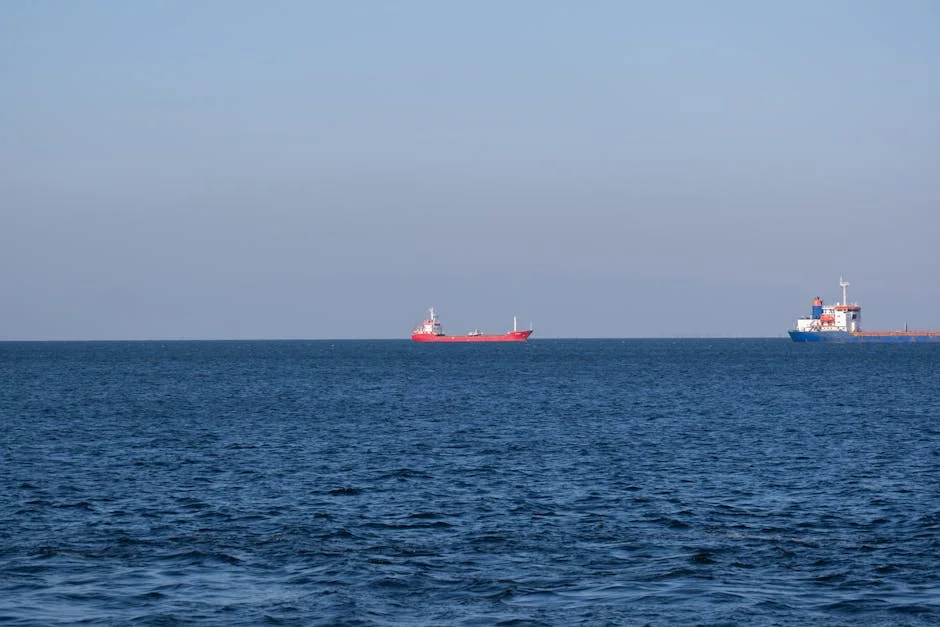
The Iranian government has denied involvement in the attacks but has announced it will now enforce stricter security protocols, including the right to inspect ships passing through the strait. This move could lead to delays and increased costs for global shipping companies, particularly those operating in the Asia-Europe trade corridor. The Port of Durban, a major hub for South African imports, is already monitoring the situation closely, as any disruption in the region could affect fuel and raw material prices in the country.
Market Reactions and Investor Concerns
Analysts at Standard Bank in Johannesburg warned that the situation could have long-term implications for South African businesses reliant on imported goods. “Any delay in the flow of oil or raw materials could lead to inflationary pressures and higher costs for consumers,” said Dr. Linda Nkosi, head of economic research at the bank. “This is not just a regional issue—it has global implications, and South Africa is not immune.”
Business Implications and Supply Chain Risks
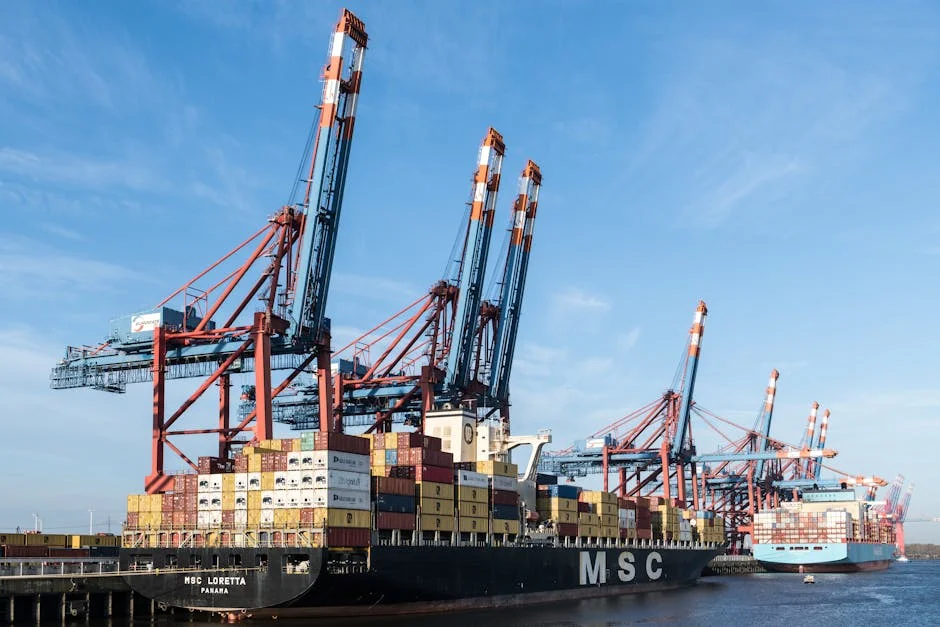

Companies across multiple sectors are now assessing the potential impact of the situation on their operations. Shipping giants like Maersk and CMA CGM have issued internal alerts to their fleets, advising caution in the region. For South African importers, the risk of higher freight costs and extended delivery times is a growing concern. The country’s automotive and manufacturing industries, which rely heavily on imported components, are particularly vulnerable.
“We’re seeing a shift in how companies are planning their supply chains,” said Sipho Mthembu, a logistics expert at the University of Cape Town. “Many are now looking at diversifying their routes or stockpiling critical supplies. The uncertainty is causing a lot of stress for businesses that operate on tight margins.”
What to Watch Next
The next few days will be critical in determining the full extent of the impact. The United Nations Security Council is expected to hold an emergency meeting to discuss the situation, with calls for a peaceful resolution. Meanwhile, the U.S. and its allies are considering a range of responses, including increased naval presence in the region. In South Africa, the government is monitoring the situation and has not yet announced any immediate policy changes. However, officials have warned that the country could face rising inflation if the situation worsens.
Investors and businesses alike are advised to remain vigilant and prepare for potential disruptions. The Strait of Hormuz remains a flashpoint for global tensions, and its stability is crucial for the smooth functioning of international trade. As the situation develops, the world will be watching closely to see whether diplomacy or conflict prevails.
Frequently Asked Questions
What is the latest news about iran seizes control of hormuz as ships attacked in key shipping route?
Iran has announced a sweeping new policy to assert control over the Strait of Hormuz, a critical maritime chokepoint, after reports of ships being attacked in the region.
Why does this matter for economy-business?
The Iranian Ministry of Foreign Affairs confirmed the new measures, citing the need to protect national interests and regional stability.
What are the key facts about iran seizes control of hormuz as ships attacked in key shipping route?
Strait of Hormuz: A Global Economic Lifeline The Strait of Hormuz, located between Iran and the United Arab Emirates, is one of the world's most vital shipping lanes.
The Port of Durban, a major hub for South African imports, is already monitoring the situation closely, as any disruption in the region could affect fuel and raw material prices in the country. State Department has issued a statement expressing concern, while the International Maritime Organization (IMO) has called for an urgent investigation into the incidents.