Singapore's public transport network faced a mixed performance in March, with the Downtown Line and Thomson-East Coast Line experiencing reliability issues, while the Circle Line saw improvements. The Land Transport Authority (LTA) reported a 12% decline in on-time performance for the Downtown Line, affecting commuters in central business districts and residential areas. The Thomson-East Coast Line, which has been under operation since 2020, also saw a 9% drop in reliability, raising concerns about its long-term efficiency. Meanwhile, the Circle Line improved by 7%, indicating progress in maintenance and operations. The data highlights the ongoing challenges of managing a growing transport network in a densely populated city-state.
Reliability Issues Spark Concerns Among Commuters
Commuters in Singapore have expressed frustration over the recent decline in service reliability, particularly on the Downtown and Thomson-East Coast Lines. The Downtown Line, a critical route connecting key commercial hubs and residential areas, saw delays averaging 15 minutes per journey in March. This has impacted businesses that rely on timely employee commutes and daily operations. The Thomson-East Coast Line, which serves areas like Marina Bay and Changi, also faced frequent breakdowns, with 14 incidents reported in the last month alone. These issues have led to calls for increased investment in infrastructure and maintenance.
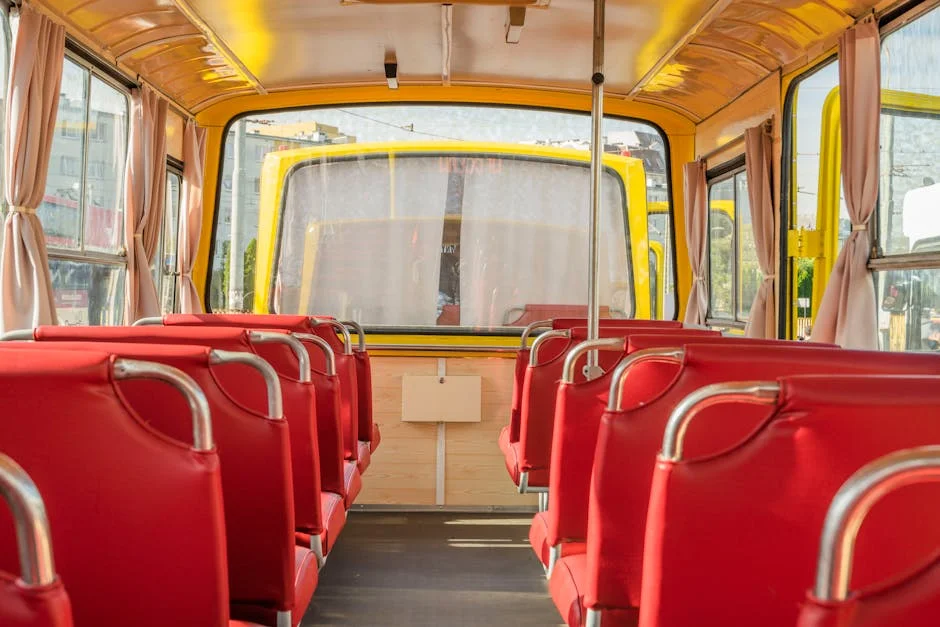
The LTA acknowledged the challenges and attributed the decline to the aging infrastructure and increased demand. "We are continuously reviewing our operations to ensure a balance between service quality and capacity," said a spokesperson for the LTA. However, the data has raised questions about the long-term sustainability of the current transport model, especially as Singapore's population grows and urban density increases. The situation has also prompted discussions about the need for alternative transport solutions, such as expanding the MRT network or investing in autonomous public transport systems.
Impact on Businesses and Investors
The reliability issues on the Downtown and Thomson-East Coast Lines have had a direct impact on businesses, particularly those in the finance and retail sectors. Companies in the central business district, such as DBS Bank and United Overseas Bank, have reported delays in employee arrivals, affecting productivity and customer service. Retailers in areas like Raffles Place and Orchard Road have also seen a decline in foot traffic due to the uncertainty of commuting times. This has led to concerns about the broader economic implications, including potential losses in revenue and decreased consumer confidence.
Investors are closely monitoring the situation, as public transport reliability is a key indicator of a city's economic health. A report by the Singapore Economic Development Board (EDB) noted that transport disruptions could lead to a 3% drop in business activity in affected areas. This has prompted some investors to reconsider long-term commitments to commercial properties in high-traffic zones. However, the improvement in the Circle Line's performance has offered a silver lining, suggesting that targeted investments in maintenance and operations can yield positive results.
What's Next for Singapore's Public Transport?


The LTA has announced plans to address the reliability issues through a series of infrastructure upgrades and operational reviews. A major overhaul of the Downtown Line's signaling system is expected to begin in the second half of 2025, with a projected completion date of 2027. This project aims to increase capacity and reduce delays by implementing advanced train control technology. Meanwhile, the Thomson-East Coast Line will undergo a comprehensive maintenance schedule in the coming months, including the replacement of aging tracks and the installation of new safety systems.
Public feedback will also play a key role in shaping future transport policies. The LTA has launched a public consultation process to gather insights from commuters, businesses, and transport experts. This initiative is part of a broader effort to improve transparency and ensure that the needs of all stakeholders are considered. The results of the consultation will be published in a report by the end of 2025, providing a roadmap for the next phase of Singapore's transport development.
Looking Ahead: What to Watch in 2025
As Singapore moves into 2025, the focus will remain on improving public transport reliability and addressing the concerns of commuters and businesses. The upcoming infrastructure upgrades and maintenance schedules are expected to bring significant improvements, but the success of these initiatives will depend on effective planning and execution. The LTA has also announced plans to introduce real-time passenger information systems across all MRT lines, which could help reduce the impact of delays on daily commutes.
Investors and businesses should monitor the progress of these projects closely, as they will have a direct impact on economic activity and property values. The coming months will also see the launch of new transport policies aimed at encouraging the use of alternative modes of travel, such as cycling and electric vehicles. These developments could reshape the urban landscape and influence long-term investment decisions in Singapore's transport sector.
Frequently Asked Questions
What is the latest news about singapores public transport reliability drops in march?
Singapore's public transport network faced a mixed performance in March, with the Downtown Line and Thomson-East Coast Line experiencing reliability issues, while the Circle Line saw improvements.
Why does this matter for economy-business?
The Thomson-East Coast Line, which has been under operation since 2020, also saw a 9% drop in reliability, raising concerns about its long-term efficiency.
What are the key facts about singapores public transport reliability drops in march?
The data highlights the ongoing challenges of managing a growing transport network in a densely populated city-state.