Italian Prime Minister Giorgia Meloni has publicly criticized South Africa's economic policies, stating that the country "could not remain silent" on its financial trajectory. Her comments come as global investors closely watch the impact of South Africa's economic reforms on regional markets and trade relations. The remarks, made during a meeting with European Union officials in Brussels, highlight growing concerns over South Africa's fiscal management and its effect on foreign investment.
Meloni's Direct Criticism of ZA's Economic Strategy
Meloni, known for her pro-business stance, addressed the issue during a press conference, saying, "South Africa has a unique opportunity to stabilize its economy, but the current path is not sustainable." She pointed to South Africa's high public debt, which reached 81.2% of GDP in 2023, as a major concern. The Italian leader emphasized that without structural reforms, the country risks further economic decline.
The comments come amid rising tensions between South Africa and its European allies over trade and investment policies. Meloni's remarks signal a shift in how European leaders are engaging with African economies, prioritizing fiscal responsibility over political solidarity. Investors are now questioning the stability of South Africa's economic outlook, with some analysts suggesting that the country's reliance on state-owned enterprises could deter foreign capital.
Market Reactions and Investor Sentiment
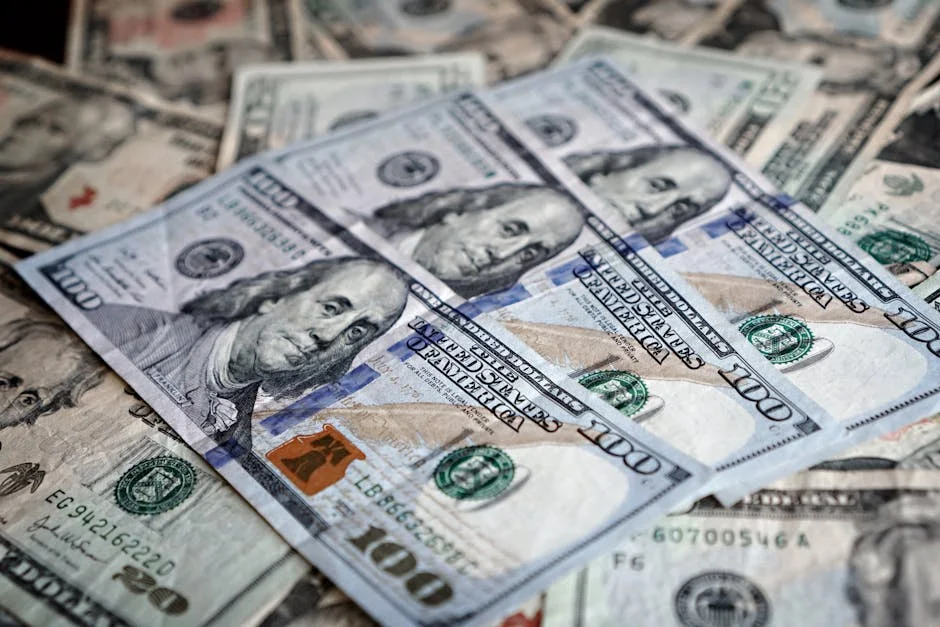
Following Meloni's comments, South Africa's rand weakened against the US dollar, falling to 17.45 per dollar on the first trading day after the speech. This decline reflects growing uncertainty among investors about the country's fiscal direction. The Johannesburg Stock Exchange also saw a drop in key indices, with the All Share Index falling by 1.2% as concerns over policy stability spread.
Investors are closely watching the South African government’s response to the criticism. The National Treasury has not yet issued a formal statement, but preliminary reports suggest that officials are considering a review of fiscal policies. Some analysts argue that the government must balance its social welfare commitments with fiscal discipline to attract long-term investment. "South Africa needs to show it can manage its debt responsibly," said Dr. Thandiwe Mlambo, an economist at the University of Cape Town.
Business Implications and Sector Vulnerability
South Africa’s manufacturing and energy sectors are among the most affected by the economic uncertainty. The country’s reliance on coal for energy production has come under scrutiny, with international investors pushing for a transition to renewable sources. The government’s recent decision to extend subsidies for state-owned power company Eskom has drawn criticism from both domestic and international business leaders.
Business leaders in Johannesburg have expressed concerns about the stability of the regulatory environment. "We need clear signals from the government on how it plans to manage the economy," said Sipho Dlamini, CEO of a leading logistics firm. "Uncertainty is a major deterrent for investment." The manufacturing sector, which accounts for 15% of South Africa’s GDP, is particularly vulnerable to policy shifts and currency fluctuations.
Policy Shifts and Regional Trade Dynamics
South Africa’s trade relationships with key partners, including the European Union and the African Growth and Opportunity Act (AGOA) countries, are also under pressure. The European Union has warned that South Africa must improve its business environment to maintain preferential trade access. This has led to calls for reforms in labor laws and regulatory frameworks to attract foreign direct investment.
Regional trade agreements are another area of concern. South Africa’s participation in the African Continental Free Trade Area (AfCFTA) has been slow, with critics arguing that the country needs to streamline its customs procedures and reduce bureaucratic hurdles. The government has announced plans to accelerate AfCFTA implementation, but the timeline remains unclear.
Investment Perspective and Long-Term Outlook
For investors, the situation in South Africa highlights the risks associated with emerging markets that lack fiscal discipline. While the country offers a large consumer base and strategic location, its economic challenges could deter long-term capital. Analysts suggest that investors should monitor the government’s response to Meloni’s remarks and assess whether meaningful reforms are on the horizon.
One key indicator to watch is the upcoming budget speech by Finance Minister Enoch Godongwana. His address will outline the government’s fiscal strategy for the next fiscal year and could provide clarity on its approach to managing debt and attracting investment. Investors are also looking for signals from the central bank, which has been cautious in its monetary policy amid rising inflation.
What to Watch Next
The next few weeks will be critical for South Africa’s economic trajectory. Investors and businesses are closely monitoring the government’s response to Meloni’s comments, with a particular focus on policy announcements and budget forecasts. The upcoming budget speech and the central bank’s interest rate decision in July will be key milestones to watch.
South Africa’s ability to implement structural reforms and stabilize its economy will determine its attractiveness to foreign investors. As global markets remain volatile, the country’s economic path could have ripple effects across the African continent and beyond.
Investment Perspective and Long-Term Outlook For investors, the situation in South Africa highlights the risks associated with emerging markets that lack fiscal discipline. Analysts suggest that investors should monitor the government’s response to Meloni’s remarks and assess whether meaningful reforms are on the horizon.