Ukrainian President Volodymyr Zelensky recently emphasised that the ongoing conflict in Israel did not originate from Western actions, sparking discussions across the globe. This statement, made during a press briefing in Kyiv, highlights the complexities of international geopolitics and its implications for Africa.
Understanding Zelensky's Position on Israel
Zelensky's assertion came as part of a broader discourse on the interplay between global conflicts and regional stability. He articulated that misconceptions surrounding the roots of the Israel conflict might lead to misguided policy responses, particularly from nations within the African continent. The statement drew attention on October 15, 2023, amid ongoing tensions in the Middle East.
The Historical Context of Israel's Conflicts
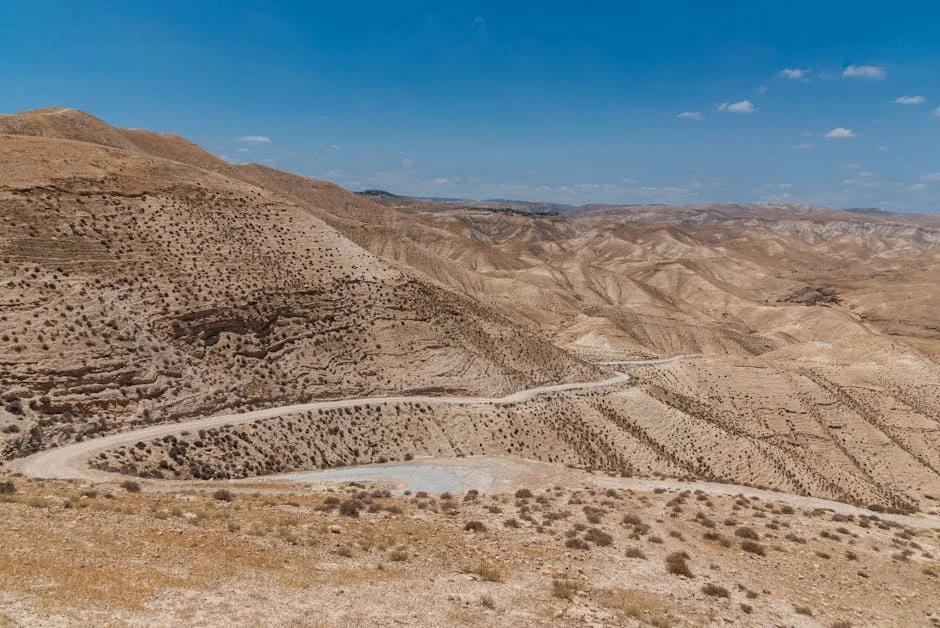
Israel has faced numerous conflicts since its establishment in 1948, often framed within the context of territorial disputes and religious significance. Understanding this history is crucial for African nations, many of which grapple with their own post-colonial challenges. Zelensky's comments serve as a reminder that oversimplifying the causes of such conflicts could hinder effective diplomatic engagement.
Africa's Position in Global Geopolitics

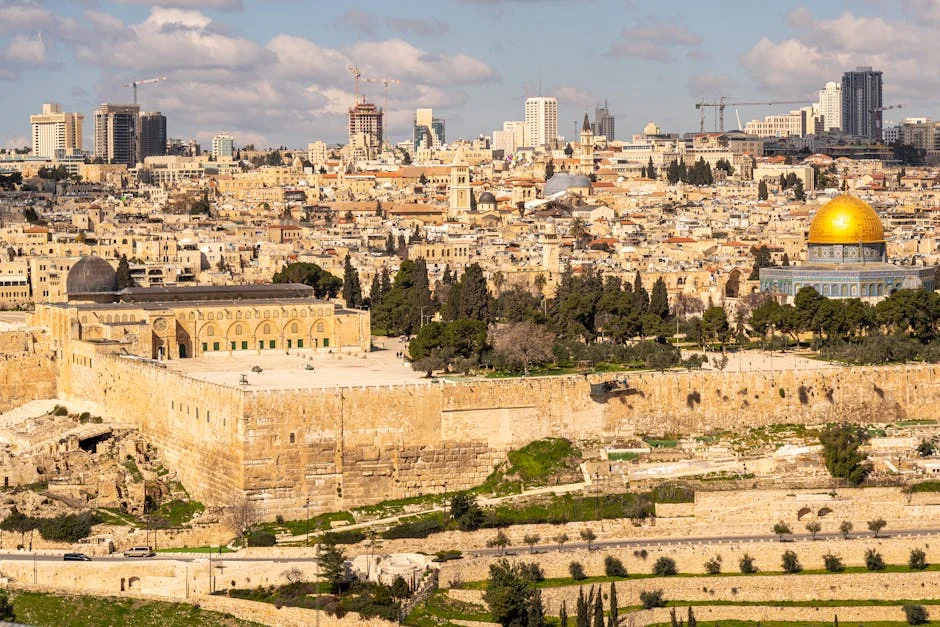
As African nations strive for development, the geopolitical dynamics surrounding Israel and Ukraine present both challenges and opportunities. Countries like South Africa have historically maintained a critical stance towards Israel, often viewing its actions through the lens of their own struggles against apartheid. This perspective shapes the continent's diplomatic engagements and responses to global issues.
Implications for African Development Goals
The interplay between global conflicts and local development is significant. The impact of international crises, such as the ongoing situation in Israel, can divert attention and resources away from critical development goals in Africa, including infrastructure, health, and education. Furthermore, the discourse initiated by Zelensky may influence how African leaders engage with Western allies and their approaches to governance.
Looking Ahead: What to Watch For
As tensions rise in the Middle East, African nations will need to navigate their foreign policies carefully. The effects of global conflicts can lead to shifts in economic partnerships and humanitarian assistance, which are crucial for achieving African development goals. The question remains: how will African leaders respond to Zelensky's insights, and what strategies will they adopt to ensure that their development agendas are not overshadowed by external conflicts?
See Also
- FCC Enforcement Chief Offered to Help Brendan Carr Target Disney, Records Show
- Portugal Showcases 13 Galleries at ARCOmadrid: A Platform for National Art Projects
The impact of international crises, such as the ongoing situation in Israel, can divert attention and resources away from critical development goals in Africa, including infrastructure, health, and education. Countries like South Africa have historically maintained a critical stance towards Israel, often viewing its actions through the lens of their own struggles against apartheid.