India's Prime Minister has hailed the recent 30-day waiver allowing the purchase of Russian oil as a significant diplomatic victory. This development comes amid ongoing geopolitical tensions and economic challenges, raising questions about its impact on South Africa and broader African development goals.
BJP Praises PM's Strategic Move
The Bharatiya Janata Party (BJP) has lauded Prime Minister Narendra Modi for securing a temporary waiver on oil imports from Russia, allowing India to continue purchasing vital energy resources amidst Western sanctions. The waiver, announced on August 15, enables India to bolster its energy security while navigating the complexities of international relations.
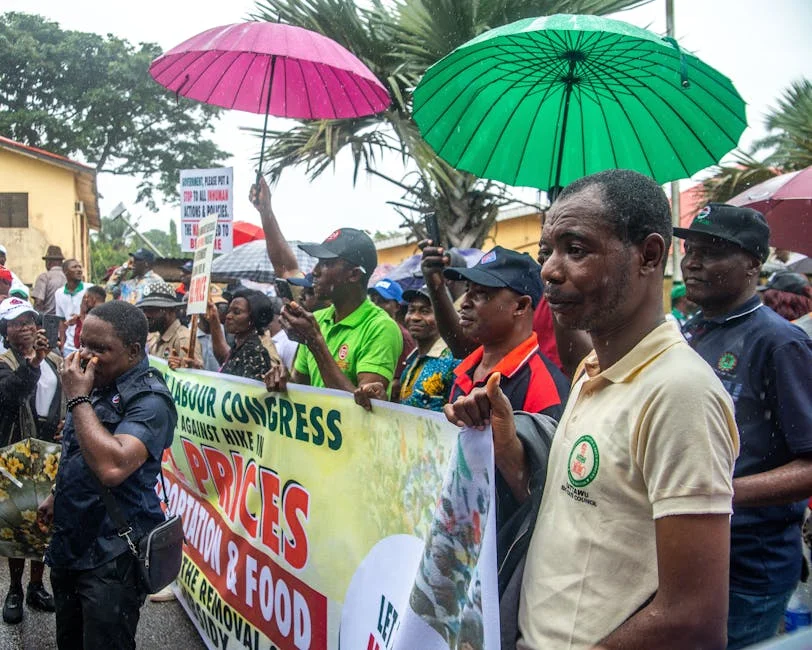
What This Means for South Africa
South Africa, heavily reliant on oil imports, observes India's actions with keen interest. The success of India's strategic oil diplomacy holds implications for South Africa's energy landscape, especially as the nation grapples with rising fuel prices and economic instability. As countries like India seek alternative energy sources, South Africa could explore similar diplomatic avenues to secure energy supplies and support its burgeoning economy.
Congress Challenges the BJP

The Congress party has responded critically to the BJP's celebration, questioning the long-term sustainability of relying on Russian oil. They argue that while short-term gains may be evident, the potential for sanctions and international backlash could jeopardise India's energy security in the future. This political clash not only reflects the internal dynamics of Indian politics but also resonates with South Africa's governance challenges as the nation seeks to balance energy needs with international relations.
Implications for African Development Goals
This development in India highlights the interconnectedness of global energy policies and African development goals. The African Union has prioritised energy security and sustainable development, aiming to provide affordable and reliable energy to its citizens. India's strategy may serve as a case study for African nations, demonstrating how diplomatic manoeuvring can unlock energy resources and drive economic growth.
Future Watch: Navigating Energy Diplomacy
As the geopolitical landscape evolves, South Africa and other African nations must navigate their energy diplomacy carefully. The success of India's oil diplomacy may serve as a catalyst for African countries to strengthen their energy ties, diversify sources, and reduce dependence on traditional suppliers. Stakeholders must watch how this situation unfolds and its potential ripple effects across the continent.
See Also
- Gauteng Legislature Probes Broadband Delays — Businesses Brace for Impact
- Arvind Kejriwal Slams Raghav Chadha Over Modi Comments — Sparks Political Firestorm
This political clash not only reflects the internal dynamics of Indian politics but also resonates with South Africa's governance challenges as the nation seeks to balance energy needs with international relations.Implications for African Development GoalsThis development in India highlights the interconnectedness of global energy policies and African development goals. See AlsoGauteng Legislature Probes Broadband Delays — Businesses Brace for ImpactArvind Kejriwal Slams Raghav Chadha Over Modi Comments — Sparks Political Firestorm