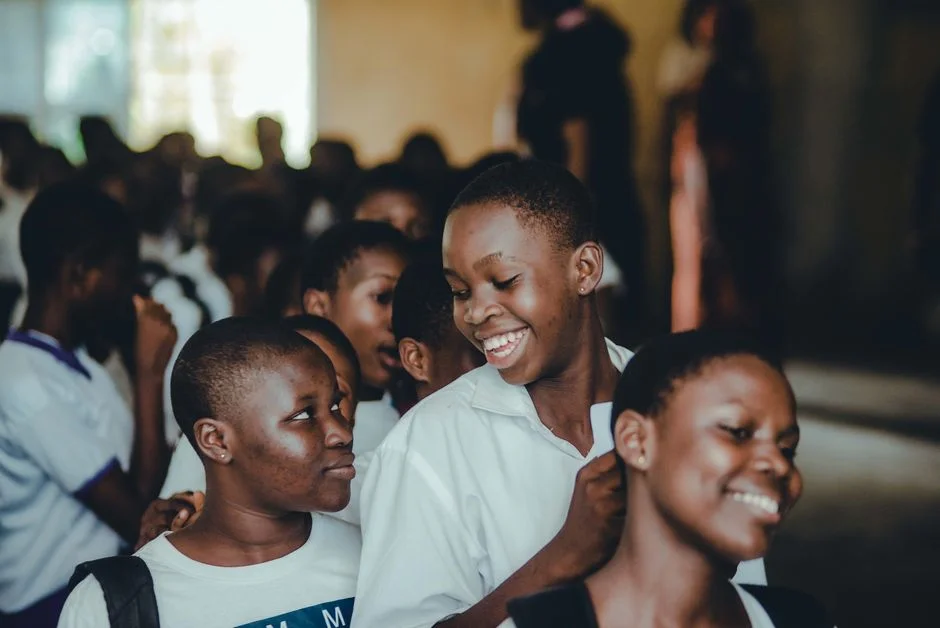
The African Football Confederation (CAF) has postponed the Women's Africa Cup of Nations (AFCON) set to take place in March due to unforeseen circumstances, leaving teams and fans in disarray. This last-minute decision highlights ongoing challenges in promoting women's sports across the continent.
Last-Minute Decision Shakes Women's Football
The CAF announced the postponement of the Women's AFCON just weeks before the tournament was scheduled to begin, citing logistical issues and the need for better preparations. This decision has sent shockwaves through the football community, particularly among players who have been training for months in anticipation of the event.
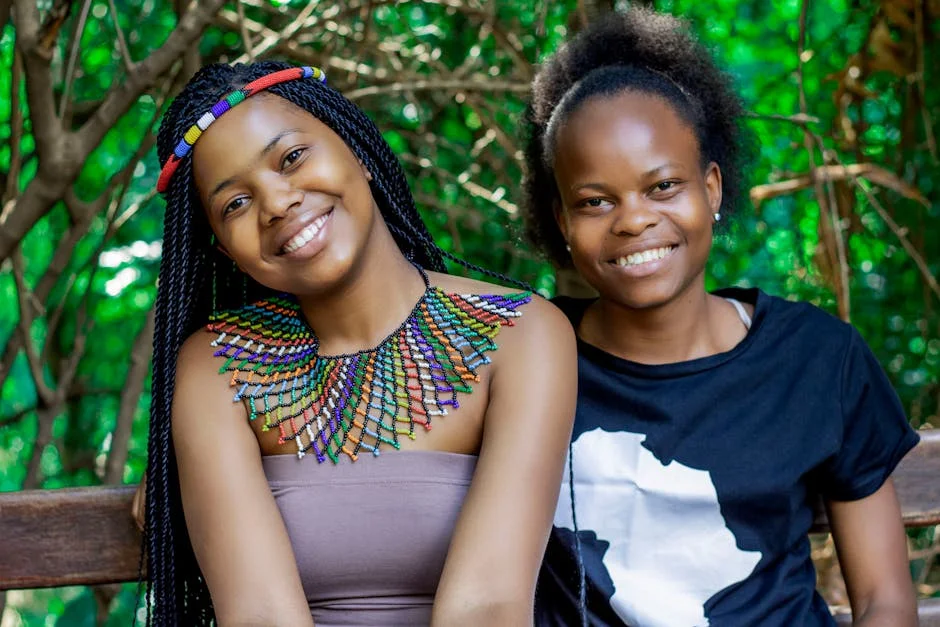
The tournament was set to showcase the best female football talent in Africa, providing a platform for athletes and promoting gender equality in sports. With the postponement, the future date remains uncertain, raising questions about the viability of women's competitions in Africa.
The Impact on Women's Sports in Africa
Women's sports in Africa have historically faced numerous challenges, including inadequate funding, lack of media coverage, and societal attitudes that often undervalue female athletes. The postponement of the Women's AFCON underscores these issues and the urgent need for systemic changes to support women's sports.
South Africa, which has made strides in promoting women’s participation in sports, is particularly affected by this delay. The nation has invested in women's football and was expected to host an array of matches that could have boosted local interest and participation in the sport.
Connecting Football to Broader Development Goals

This situation raises critical questions about how sports can contribute to broader African development goals, particularly in education, health, and economic growth. Women's sports can play a pivotal role in promoting gender equality and empowering women across the continent.
As nations strive to meet the United Nations Sustainable Development Goals, the emphasis on female empowerment through sports becomes increasingly relevant. Football can serve as a tool to inspire young girls, encouraging them to pursue careers in athletics and beyond, while also fostering community engagement and health awareness.
What’s Next for Women’s Football in Africa?
Following the postponement, stakeholders are calling for an urgent dialogue on how to better support women's competitions. Advocates argue that the CAF must ensure adequate resources and planning for future tournaments to prevent similar last-minute changes.
The postponement is not just a setback for athletes but also a missed opportunity to highlight women's achievements in sports. As fans and players await further announcements, the focus will now be on how to leverage this moment to advocate for better governance and infrastructure in women's sports in Africa.
Conclusion: A Call for Action
As the football community processes this unexpected turn of events, it is crucial that the lessons learned lead to actionable change. The postponement of the Women's AFCON must serve as a wake-up call to all stakeholders about the importance of investing in women's sports. Only through concerted efforts can Africa realise the potential of its female athletes and break down the barriers that hinder their progress.
See Also
- LA Seeks Investigation Into 2028 Olympics Chief Over Epstein Ties - What Does It Mean For Africa?
- England Reroutes to Pretoria for Women’s World Cup Prep Amid Middle East Conflict: Here's Why
Advocates argue that the CAF must ensure adequate resources and planning for future tournaments to prevent similar last-minute changes.The postponement is not just a setback for athletes but also a missed opportunity to highlight women's achievements in sports. The postponement of the Women's AFCON must serve as a wake-up call to all stakeholders about the importance of investing in women's sports.