The United States has ordered non-essential staff to leave its consulate in Adana, Turkey, amid growing security concerns in southeastern regions bordering Syria. The move comes as tensions escalate following recent military operations and the potential spillover effects from conflicts in neighbouring countries.
Turkish-Syrian Border Escalation Raises Concerns
The decision by the US to evacuate non-essential personnel is directly linked to escalating tensions along the Turkish-Syrian border. The Turkish military has been conducting cross-border operations against Kurdish fighters, which has led to increased instability in the region. This unrest poses significant risks to diplomatic missions and civilian populations alike.
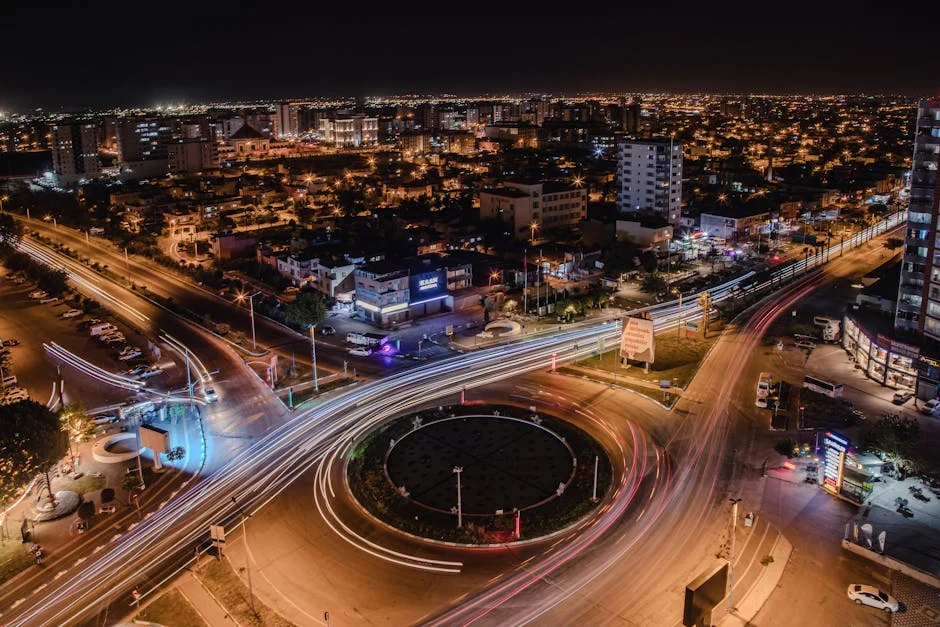
Adana, located approximately 25 miles from the Syrian border, has become a focal point for these operations. The city's strategic location makes it vulnerable to the fallout from ongoing conflicts in the Middle East. The US government’s actions reflect a broader trend of consulates and embassies taking precautionary measures to protect their staff and citizens.
African Nations Watch Cautiously
While the situation in Turkey may seem distant from African shores, the events unfolding in the Middle East have far-reaching implications for the continent. African nations, particularly those engaged in regional diplomacy and trade, are watching closely. Countries like South Africa, which maintain robust economic ties with Turkey, are especially concerned about the potential ripple effects.
The evacuation of non-essential staff underscores the interconnectedness of global security issues. For African nations, it serves as a reminder of the importance of maintaining vigilance and preparedness in light of international crises. The South African government has issued travel advisories for its citizens in Turkey, reflecting a similar approach to protecting its nationals abroad.
Infrastructure and Economic Growth at Risk
The instability in Turkey could have direct consequences for infrastructure projects and economic partnerships in Africa. Many African countries rely on Turkish investments and expertise for large-scale development initiatives. A downturn in Turkey's economy or a reduction in its foreign aid programs could jeopardize these projects.
In South Africa, for example, Turkish companies have been involved in various infrastructure projects, including construction and mining ventures. The withdrawal of non-essential staff from the Adana consulate may signal a more cautious approach to international commitments, which could affect the pace and scope of such projects.
Health and Education Challenges Persist
The evacuation of non-essential staff also highlights the challenges faced by healthcare and educational institutions operating abroad. In many African countries, international schools and hospitals provide essential services that are often beyond the reach of local resources. The disruption caused by security concerns in one part of the world can have immediate impacts on these facilities.
For instance, if the situation in Turkey were to worsen, it could lead to a shortage of medical supplies and trained professionals in regions where they are already scarce. Similarly, educational institutions might face difficulties in maintaining their operations, affecting the quality of education for students.
Governance and Regional Stability
The events in Turkey raise questions about the role of governance in maintaining regional stability. African leaders have long emphasized the importance of strong governance structures in fostering peace and development. The current situation in Turkey serves as a stark reminder of the fragility of political systems and the need for resilient institutions.
As African nations continue to grapple with their own governance challenges, the example set by Turkey offers both cautionary tales and lessons learned. Effective crisis management and proactive diplomacy can help mitigate the risks associated with geopolitical tensions, ensuring that development goals remain achievable even in turbulent times.
Conclusion: Watching the Global Picture
The decision by the US to order non-essential staff out of its consulate in Adana is a sobering reminder of the interconnected nature of global security and economic affairs. For African nations, it underlines the importance of being vigilant and prepared to respond to crises that may originate far from home.
As African countries pursue their development goals, they must remain attuned to the broader geopolitical landscape. By learning from the experiences of other regions, African leaders can better navigate the challenges ahead and seize the opportunities presented by a rapidly changing world.