NATO has confirmed that an Iranian attack targeting Turkish soil was intercepted, averting a potential crisis that could have had significant implications for regional stability and international security. The incident underscores the ongoing tensions in the Middle East and raises questions about the broader impact on countries like South Africa, which has strategic interests in the region.
Iran's Escalating Tensions with Turkey
The interception of the Iranian missile by NATO forces highlights the escalating tensions between Iran and Turkey. This comes amid heightened geopolitical tensions in the Middle East, where both countries have been engaged in proxy conflicts and diplomatic spats over issues such as Syria and Iraq. The attempted attack marks a new level of aggression from Iran, which has been under pressure due to US sanctions and internal political challenges.
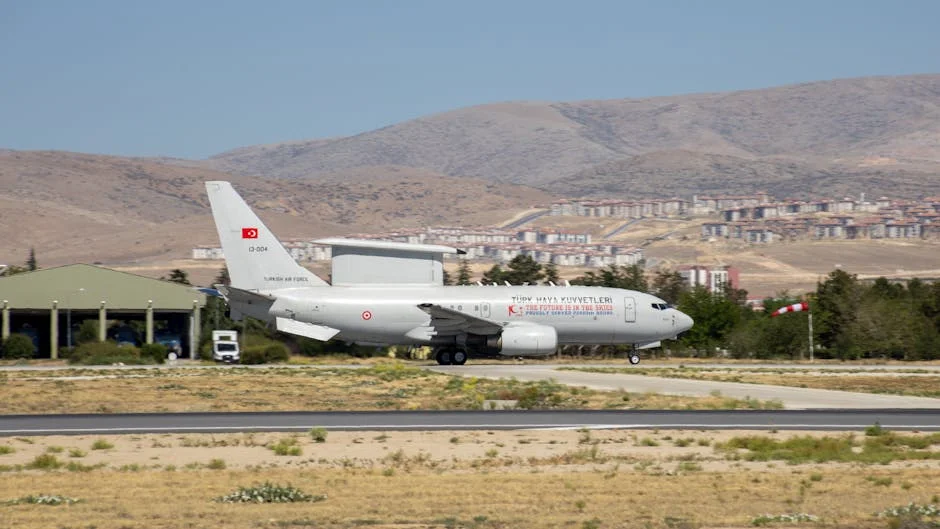
Turkey’s strategic location and its growing military capabilities make it a significant player in regional affairs. The country has sought to balance its relationships with various global powers, including Russia and the United States, while also pursuing its own regional ambitions. The failed attack serves as a stark reminder of the risks associated with Turkey’s increasingly assertive foreign policy.
Regional Security Implications
The interception of the Iranian missile by NATO forces has immediate consequences for regional security. It demonstrates the effectiveness of NATO’s rapid response capabilities and the alliance’s commitment to protecting member states and partners. However, the incident also underscores the complex nature of security dynamics in the Middle East, where multiple actors with competing interests operate.
For South Africa, the incident is particularly relevant given its long-standing diplomatic ties with both Iran and Turkey. As a non-aligned nation with aspirations to play a greater role in international affairs, South Africa must navigate these tensions carefully. The country’s engagement with the African Union and its efforts to promote peace and stability on the continent could be influenced by developments in the Middle East.
Economic Impact on South Africa
The economic implications of the Iranian-Turkish tension are also noteworthy for South Africa. Both Turkey and Iran are significant trading partners for South Africa, with trade relations encompassing a wide range of sectors, including energy, minerals, and manufacturing. Any disruption to these relationships could have ripple effects on South Africa’s economy, particularly in terms of trade flows and investment.
Moreover, South Africa’s participation in international financial institutions and its commitment to promoting regional economic integration through platforms like the Southern African Development Community (SADC) mean that it must consider how regional instability affects broader economic cooperation and development initiatives.
African Development Goals and Pan-African Perspective
From an African development perspective, the incident raises questions about the continent’s ability to influence global events and protect its interests. As African nations seek to enhance their collective voice on the world stage, they must also contend with external threats and conflicts that can undermine regional stability and economic growth.
The African Union’s Agenda 2063, which aims to build a peaceful, prosperous, and integrated continent, relies heavily on stable regional environments. The ongoing tensions in the Middle East serve as a reminder of the interconnectedness of global security and the need for robust mechanisms to address cross-border threats.
Future Watchpoints for South Africa
As South Africa continues to engage with both Iran and Turkey, it will need to monitor the evolving dynamics in the Middle East closely. Key watchpoints include the potential for further escalations, changes in US-Iran relations following the presidential election, and the impact of these tensions on global oil prices and supply chains.
South Africa’s diplomatic approach will be crucial in navigating these challenges. By leveraging its position within the African Union and other multilateral forums, the country can advocate for policies that promote stability, economic cooperation, and sustainable development across the continent.