Ukraine has announced that it has successfully targeted a Russian 'missile component' production facility, marking a significant blow to Russia's military capabilities and sending shockwaves through the international community. The strike, which took place on Monday, is seen as a crucial turning point in the ongoing conflict.
The Strategic Importance of the Strike
The Ukrainian attack on the Russian missile component plant is a major strategic move that could have far-reaching consequences for the war in Ukraine. By targeting this specific facility, Ukraine aims to weaken Russia's ability to produce and supply its armed forces with essential components for missiles, thereby reducing the effectiveness of Russia's military operations.
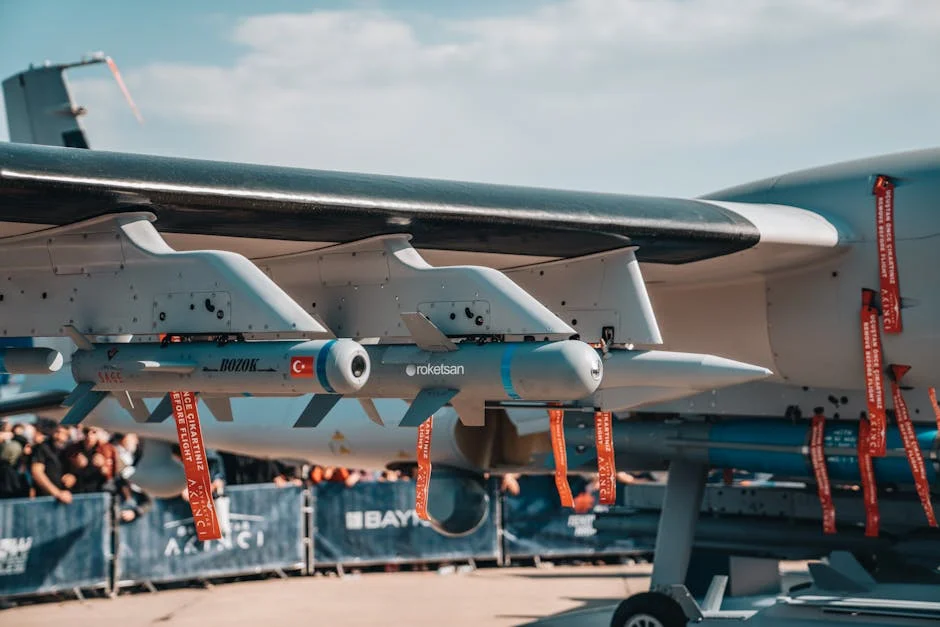
This action not only highlights Ukraine’s growing military prowess but also demonstrates its determination to resist Russian dominance in the region. The strike serves as a reminder of the complex interplay between different nations and their military capabilities, which can significantly impact global stability.
Implications for Global Stability and Trade
The attack on the Russian missile plant underscores the interconnectedness of the world's economies and security landscapes. South Africa, for instance, is closely watching developments in Eastern Europe due to its trading relationships with both the United Kingdom and Russia. As a key player in the Commonwealth, South Africa benefits from strong ties with the UK, while also having economic interests in Russia.
The disruption caused by the Ukrainian strike may lead to shifts in global trade patterns and economic alliances. South Africa, with its diverse economy and strategic location, stands to gain from any changes that enhance its access to markets and resources.
African Development Goals and Challenges
Africa’s development goals are closely tied to global stability and economic growth. The conflict in Ukraine and the resulting geopolitical shifts can affect Africa's progress towards achieving these goals. For example, disruptions in global trade can lead to higher prices for imported goods, impacting the cost of living and consumer purchasing power across the continent.
Moreover, the success of initiatives such as the African Continental Free Trade Area (AfCFTA) depends on stable international conditions. A more unpredictable global environment could make it harder for African countries to integrate their markets and benefit from increased trade within the continent.
Economic Growth and Infrastructure Development
The Ukrainian-Russian conflict has drawn attention to the importance of robust infrastructure and industrial capacity in supporting economic growth. In Africa, there is a growing focus on developing local manufacturing and production capabilities, similar to the efforts made by Ukraine to maintain its military supplies.
South Africa, as one of Africa's largest economies, plays a vital role in driving regional economic growth and infrastructure development. Investments in transportation, energy, and telecommunications are key to enhancing connectivity and fostering business opportunities across the continent.
Health and Education in Africa
The conflict in Ukraine also highlights the need for strong healthcare systems and educational institutions, which are critical for resilience in times of crisis. In Africa, improving access to quality education and healthcare remains a priority for many countries, as these sectors are fundamental to long-term development and social progress.
South Africa, with its well-established universities and medical facilities, can serve as a model for other African nations looking to strengthen their own health and education systems. Collaboration and knowledge sharing can help accelerate progress towards achieving these goals across the continent.
Next Steps and Observations
The Ukrainian strike on the Russian missile plant will likely be closely watched by policymakers and analysts around the world, including those in South Africa. As the situation evolves, there may be further implications for global trade, investment flows, and diplomatic relations.
For Africa, continued focus on building resilient economies, investing in human capital, and fostering strong international partnerships will be crucial in navigating the changing global landscape and achieving its development aspirations.