Citi Bank has evacuated its offices in Dubai following threats from Iran, highlighting the interconnectedness of global finance and geopolitical tensions. The move comes as a significant development for the banking sector in the United Arab Emirates and has implications for international trade and financial stability.
The Evacuation and Its Immediate Impact
Citi Bank, one of the world's largest financial institutions, decided to temporarily relocate its staff from its Dubai office due to security concerns stemming from recent threats made by Iran. This decision underscores the importance of regional stability for global business operations and highlights the potential risks posed by ongoing geopolitical tensions in the Middle East.
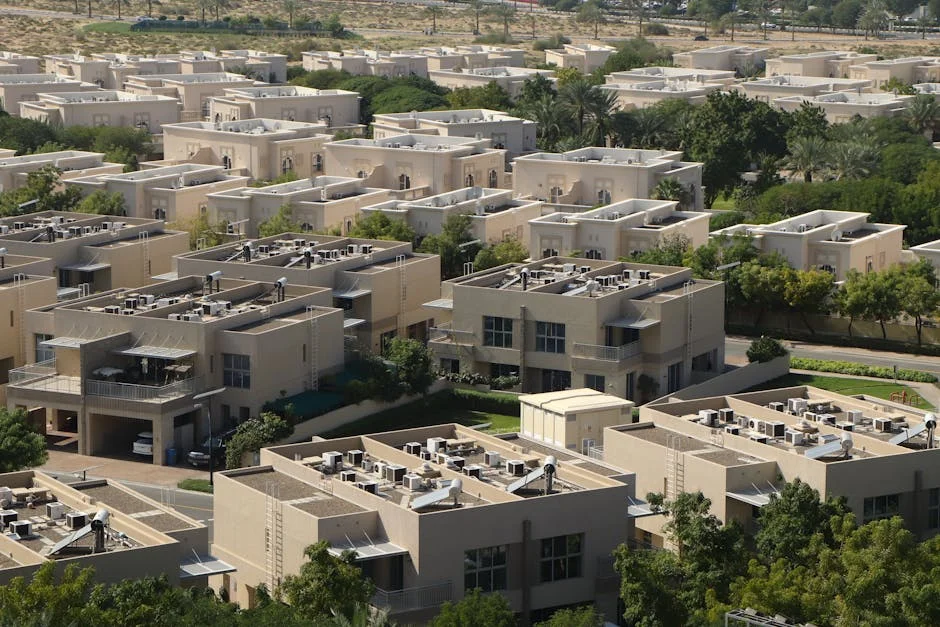
The evacuation of Citi Bank’s Dubai offices is not just a local event but has wider ramifications for the financial services industry across the Gulf region. It also signals that companies operating in the area need to remain vigilant and prepared for sudden changes in the political landscape.
Geopolitical Tensions and Their Origins
The tensions between Iran and the United States have been building up over several years, marked by disputes over nuclear agreements, sanctions, and military actions. These tensions reached a peak recently, prompting Citi Bank to take precautionary measures. The situation is closely watched by other international banks and businesses operating in the region, as any escalation could disrupt global supply chains and financial flows.
In addition to the direct impact on the Gulf region, these geopolitical tensions also affect other parts of the world, including Africa. Many African countries rely on trade routes through the Suez Canal, which connects the Red Sea to the Mediterranean, making them susceptible to disruptions in the Middle East.
African Development Goals and Opportunities
The evacuation of Citi Bank’s Dubai office serves as a reminder of the interconnected nature of global economies and the importance of maintaining stable relationships between nations. For African countries, this interconnectivity presents both challenges and opportunities. On one hand, geopolitical instability can lead to increased costs and uncertainties for African businesses. On the other hand, it can create openings for new partnerships and investments as companies seek alternative locations and markets.
Moreover, the focus on regional stability and financial resilience in the Middle East can inspire similar efforts in Africa, where there is a growing emphasis on developing robust financial systems and infrastructure. This includes initiatives such as the African Continental Free Trade Area (AfCFTA), which aims to create a single market for goods, services, and investment across the continent.
Economic Growth and Trade Links
The evacuation of Citi Bank’s Dubai office also highlights the importance of maintaining strong trade links between Africa and the rest of the world. As one of the main financial hubs in the Middle East, Dubai plays a crucial role in facilitating trade between Africa and the global economy. Any disruption to this flow can have ripple effects throughout the continent.
In recent years, there has been a noticeable increase in African countries seeking to diversify their trade partners and reduce reliance on traditional markets. This trend is likely to continue, with more African nations looking to establish stronger ties with the Gulf Cooperation Council (GCC) countries and other emerging markets.
Next Steps and Observations
The evacuation of Citi Bank’s Dubai office will be closely monitored by financial analysts and policymakers in Africa and beyond. While the immediate impact may be limited, it serves as a reminder of the ongoing geopolitical dynamics in the Middle East and their potential influence on global financial markets.
For African countries, this event underlines the need to continue pursuing strategies that enhance their economic resilience and diversify their trading relationships. By doing so, they can better navigate any future disruptions and capitalize on the opportunities presented by a changing global landscape.