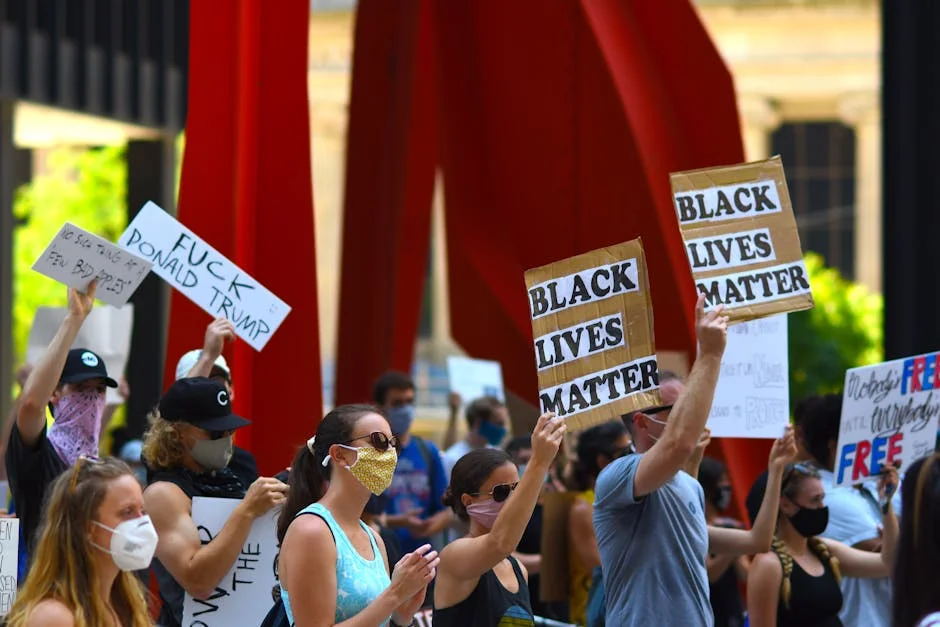
Thousands of Tunisians took to the streets on Saturday to protest against the escalating US-Israeli conflict with Iran, demanding an end to foreign intervention in the region. This demonstration in Tunis featured a mix of political factions united against perceived aggression and interference, highlighting widespread concerns about regional stability and its implications for Africa.
Tunisian Voices Against Foreign Intervention
The protests drew significant crowds, with demonstrators chanting slogans against both the US and Israel while expressing solidarity with Iran. Organised by various political groups, including leftist and Islamist factions, the event illustrates a growing sentiment among Tunisians who oppose foreign military actions in the Middle East. As tensions rise, many are questioning how this conflict will affect African nations, particularly those with close ties to the Middle East.

History of Tunisian-Iranian Relations
Historically, Tunisia has maintained a complex relationship with Iran, which has oscillated between cooperation and suspicion. Since the Arab Spring, Tunisia has sought to navigate its foreign policy carefully, balancing relations with Western nations while addressing domestic concerns over security and economic stability. The latest conflict has reignited historical grievances and fears of external influence, prompting Tunisian citizens to demand a more assertive foreign policy that prioritises national sovereignty.
Continental Challenges: Broader Implications for Africa
This protest is not just a reflection of Tunisian sentiment; it encapsulates broader challenges facing African nations in an increasingly multipolar world. As the US and its allies increase military presence in the Middle East, African countries must grapple with the potential spillover effects, including regional instability, refugee crises, and economic disruptions. The situation also raises questions about governance and the ability of African nations to protect their interests amid global power struggles.
Economic and Developmental Considerations
The ongoing tensions can have significant implications for African development goals, particularly in areas such as infrastructure, health, and education. Countries like Tunisia, which rely on foreign investment and support, may find it increasingly difficult to achieve stability and growth if geopolitical tensions escalate. Furthermore, the diversion of resources to military endeavours can undermine efforts to address pressing issues such as healthcare, education, and economic development.
What to Watch for Next: The Future of African Diplomacy
As the situation develops, observers should monitor how African nations respond to these international tensions. Will they unite in solidarity against outside intervention, or will divisions emerge based on differing alliances? The outcome could shape Africa's diplomatic landscape for years to come, emphasising the importance of self-determination and local governance in achieving development goals. The protests in Tunisia serve as a reminder of the intricate connections between global conflicts and local realities, highlighting the need for a pan-African approach to addressing these challenges.