Ethiopia's government has raised alarms over the potential resurgence of conflict in the Tigray region, raising serious concerns for regional stability as tensions flare once again. The warning comes amid reports of escalating clashes between federal forces and Tigray's local authorities, which could jeopardise the fragile peace established in 2022.
Escalating Clashes Signal a Troubling Trend
In recent weeks, reports have surfaced of increasing skirmishes in Tigray, with both sides accusing each other of violating the peace agreement. The situation reached a critical point when Ethiopian Prime Minister Abiy Ahmed accused Tigrayan forces of orchestrating attacks against federal troops. This marks a stark shift from the tentative calm that followed the peace deal brokered in November 2022, which ended a two-year civil war that claimed thousands of lives and displaced millions.
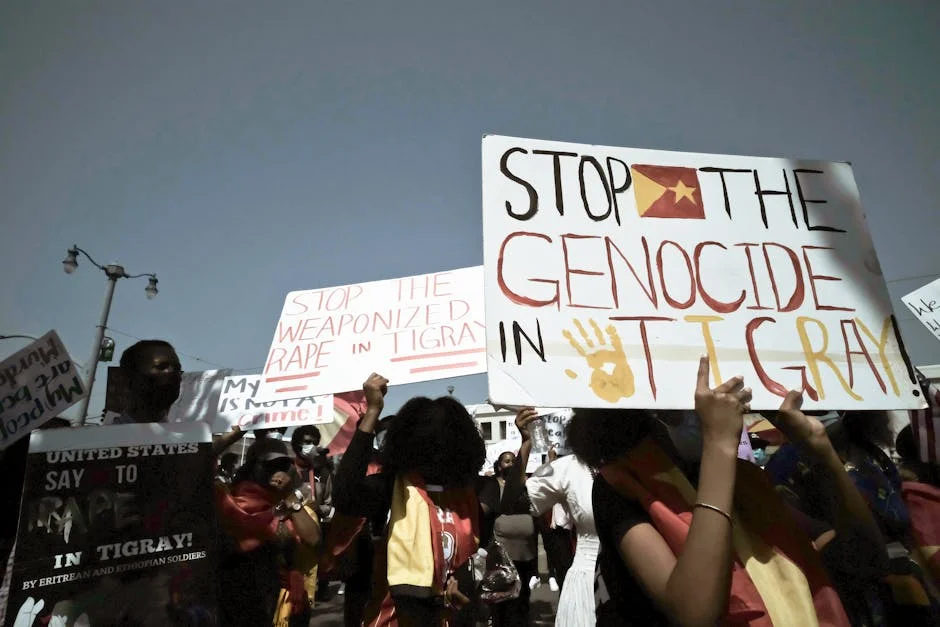
The Humanitarian Crisis Deepens
The renewed violence threatens to exacerbate an already dire humanitarian crisis in Tigray. Over five million people are in need of assistance, with food insecurity at an all-time high. The United Nations has repeatedly warned that without urgent intervention, the situation could spiral out of control, leading to catastrophic consequences for the civilian population.
Implications for African Development Goals
The potential return to armed conflict in Tigray poses significant challenges to the African development goals (ADGs), particularly those focused on peace, justice, and strong institutions. Ethiopia, as a key player in the Horn of Africa, plays a crucial role in regional governance and economic stability. The resurgence of violence not only undermines local efforts for recovery but also threatens broader initiatives aimed at fostering economic growth and infrastructure development across the continent, especially in areas like South Africa, which has been a vocal advocate for peace and stability in the region.
Regional Responses: What’s Next?
South Africa, as a member of the African Union, has been actively involved in promoting dialogue and mediation efforts in the Horn of Africa. The situation in Tigray has sparked renewed calls for intervention from regional leaders, emphasising the need for a unified approach in addressing the conflict. Analysts suggest that South Africa’s experience in post-apartheid reconciliation could provide valuable insights into potential peacekeeping strategies that could be applied to Tigray.
The Global Dimension: A Watchful Eye
The international community is closely monitoring developments, aware that a renewed conflict could destabilise not just Ethiopia but the surrounding nations as well. The geopolitical implications of a war in Tigray could extend far beyond the continent, affecting global markets and international relations, particularly concerning humanitarian aid efforts and foreign investment in the region.
As the situation unfolds, it is imperative for stakeholders to remain vigilant and proactive in seeking peaceful resolutions. The outcome in Tigray will not only shape the future of Ethiopia but could also have lasting consequences for the entire continent, influencing development, governance, and economic growth in the years to come.