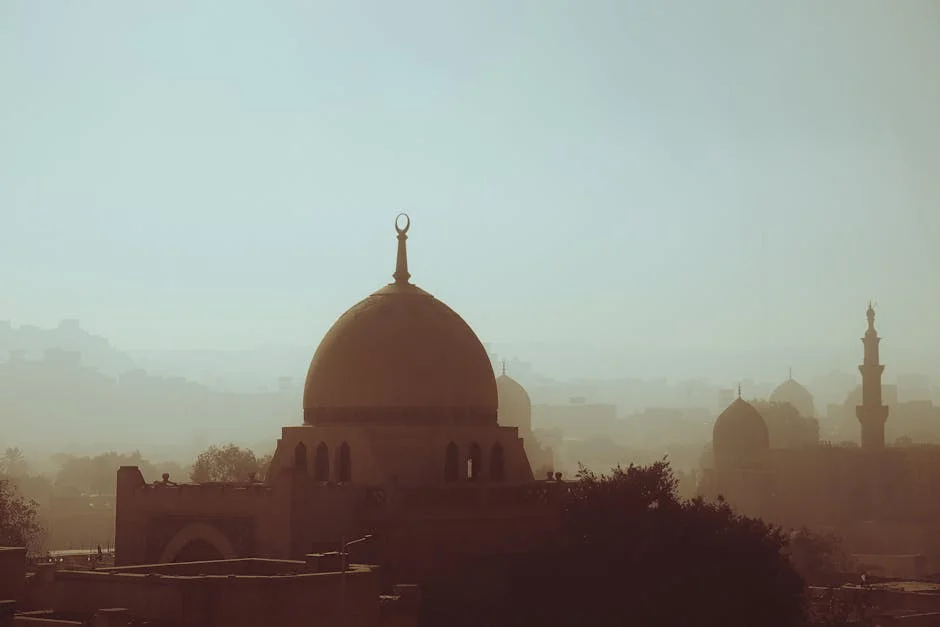
Tehran has transformed into a ghost town as relentless bombings continue to devastate the city. Over the past week, Iranian residents have faced increasing violence and destruction, leading to widespread displacement and humanitarian needs. The situation escalated dramatically in March, prompting urgent calls for international intervention.
The Human Cost of the Bombings
As bombs rain down on Tehran, the Iranian government reported over 200 casualties and thousands displaced within the first few days of the attacks, which began on March 1. Eyewitness accounts describe chaotic scenes of families fleeing their homes, seeking safety amid the destruction. Hospitals are overwhelmed with casualties, highlighting the urgent need for medical assistance.
International Reactions and the Role of Humanitarian Aid
The United Nations has condemned the violence, calling for an immediate ceasefire and humanitarian access to affected areas. Emergency aid agencies are mobilising to provide food, shelter, and medical support, but escalating violence makes their efforts increasingly perilous. The global community must respond effectively to address both the immediate needs of Iranian citizens and the long-term implications for regional stability.
What Does This Mean for Africa?
The ongoing crisis in Iran raises crucial questions about governance and development across Africa. Lessons from Tehran's plight can be applied to the continent, particularly regarding the importance of robust infrastructure and emergency response systems. As African nations grapple with their internal challenges, the Iranian situation serves as a cautionary tale about the consequences of poor governance and unchecked violence.
Continental Challenges and Opportunities
African countries are facing myriad challenges, from economic instability to health crises and inadequate education systems. The situation in Iran reminds us that the absence of effective governance and infrastructure can lead to catastrophic outcomes. However, it also presents opportunities for African nations to strengthen their own systems. By investing in education, healthcare, and governance, Africa can mitigate risks and work towards achieving the Sustainable Development Goals (SDGs).
The March Impact on South Africa and Beyond
As the situation unfolds in Iran, South Africa and other African nations need to reflect on the interconnectedness of global events and their local implications. The rise in humanitarian crises can lead to increased migration pressures, affecting regional stability and economic growth. By fostering partnerships and bolstering regional cooperation, African countries can create a more resilient continent, better equipped to handle both internal and external challenges.