French President Emmanuel Macron has taken significant strides to revitalise the nuclear policy reminiscent of Charles de Gaulle's era, raising questions about its implications for African development. This move comes in the wake of escalating energy concerns across Europe, particularly as Macron seeks to position France as a leader in sustainable energy solutions.
Macron's Nuclear Strategy: A Modern Take on De Gaulle
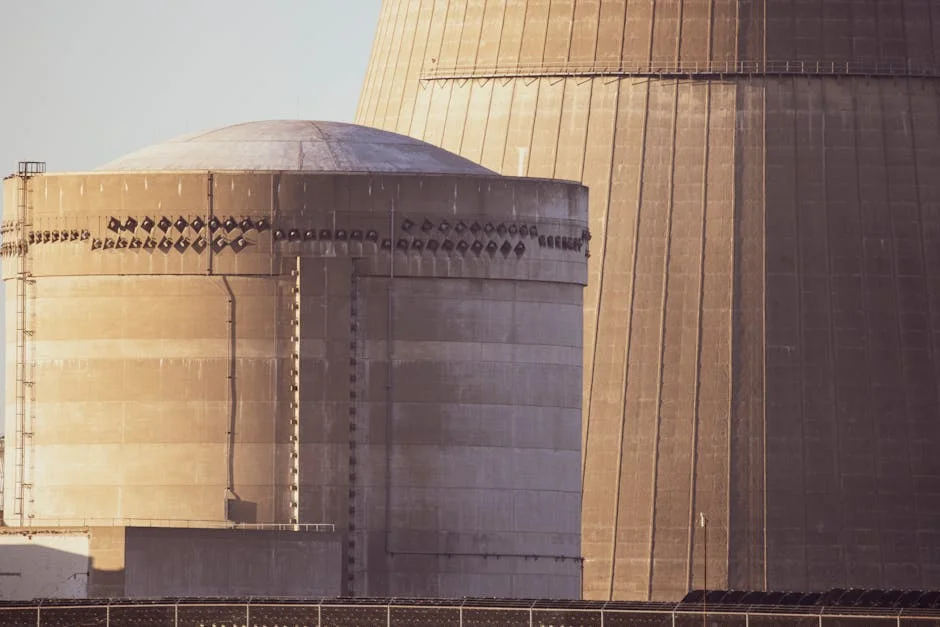
In a recent address, Macron outlined plans to enhance France's nuclear capabilities, echoing the vision of De Gaulle who championed nuclear power as a means of asserting national sovereignty. The French government intends to invest heavily in nuclear technology, aiming for energy independence amid rising global energy prices. This strategy not only reinforces France's energy security but also signals a commitment to combat climate change through a low-carbon energy source.
The Impact on South Africa's Energy Landscape
As South Africa grapples with severe energy shortages, Macron's renewed focus on nuclear energy could serve as a blueprint for the country. South Africa has long relied on coal, but with increasing pressure to transition towards sustainable energy, the French model provides valuable insights. The potential for collaboration on nuclear technology could help South Africa meet its energy demands while adhering to environmental goals.
Nuclear Energy and African Development Goals
This renewed interest in nuclear energy aligns with the African Union's Agenda 2063, which emphasises the importance of sustainable development, infrastructure improvement, and energy security across the continent. By adopting nuclear energy, countries like South Africa could enhance their energy mix, fostering economic growth and improving governance through reliable power supply. This transformation is crucial for attracting foreign investment and promoting industrialisation.
Continental Challenges and Opportunities
Macron's approach to nuclear energy offers a dual opportunity for Africa: while it addresses immediate energy crises, it also opens avenues for regional partnerships in technology and infrastructure development. However, the challenges remain significant. Issues such as funding, public perception of nuclear safety, and regulatory frameworks must be addressed to ensure successful implementation. Collaborative efforts between France and African nations can pave the way for innovative solutions tailored to local contexts.
The Path Forward: What to Watch
As Macron continues to champion nuclear energy, stakeholders in South Africa and beyond should monitor developments closely. Key discussions on energy partnerships, investment opportunities, and technological transfers will be crucial in determining how this nuclear resurgence will influence Africa's development trajectory. The interplay between Macron's policies and Africa's energy needs could reshape the continent's approach to sustainable development, highlighting the importance of strategic international relations.