In a recent address, Simon Stiell, Executive Secretary of the United Nations Framework Convention on Climate Change, highlighted the urgent need for climate cooperation as a solution to global disorder, particularly for African nations. Speaking at a summit in Nairobi, Stiell emphasised that collaboration on climate initiatives could drive economic growth and stability across the continent.
Climate Cooperation: A Path Forward for Africa
Simon Stiell's remarks come at a critical time when many African countries face severe environmental challenges exacerbated by climate change. These conditions threaten agricultural productivity, health systems, and overall economic stability. Stiell urged African leaders to seize the moment and work together on climate solutions, stating, "Climate change knows no borders, and our response should not recognise them either. We must act as one continent to combat these threats and secure our future."

The Role of the United Nations Framework Convention
The United Nations Framework Convention on Climate Change (UNFCCC) plays an essential role in regulating international climate policies. Established in 1994, it aims to prevent dangerous human interference with the climate system, which is increasingly relevant for African nations facing droughts, floods, and rising temperatures. Understanding how the UNFCCC operates is vital, as it offers a platform for countries to share resources, technologies, and knowledge to mitigate climate impacts.
Stiell's latest news highlights the importance of the UNFCCC in shaping Africa's response to climate change. By participating in international agreements and initiatives, African countries can access funding and technical assistance to bolster their infrastructure and health systems, ultimately aiding their development goals.
African Development Goals at Risk


The implications of climate inaction are dire for African Development Goals (ADGs). With many countries still grappling with poverty, inadequate infrastructure, and limited access to healthcare and education, climate-induced challenges could set back years of progress. For instance, the agriculture sector, which employs a significant portion of the continent’s workforce, is particularly vulnerable, and poor harvests could result in food insecurity and economic decline.
Stiell's call for unity and cooperation among African nations aligns with the continent's vision to achieve sustainable development. By addressing climate change collaboratively, Africa can build resilient economies that can withstand environmental shocks and enhance the quality of life for all citizens.
Opportunities for Economic Growth Through Climate Action
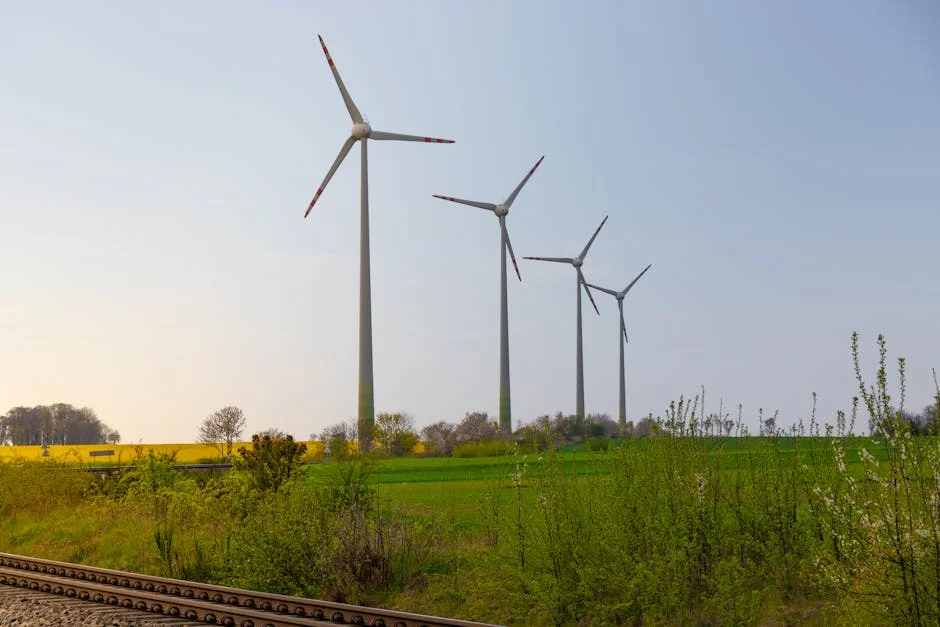
While the challenges posed by climate change are significant, Stiell also pointed to numerous opportunities for economic growth through green initiatives. Investing in renewable energy, sustainable agriculture, and climate-resilient infrastructure can not only mitigate the impacts of climate change but also create millions of jobs across the continent.
For example, countries like South Africa and Kenya are already making strides in renewable energy projects, which not only contribute to reducing carbon emissions but also stimulate local economies. The push for a green economy represents a crucial shift that could redefine Africa's economic landscape and attract international investment.
The Way Forward: Building a Climate-Resilient Africa
As countries prepare for the upcoming UN Climate Change Conference, Stiell's message should resonate with African leaders and policymakers. The call for climate cooperation is not merely a plea for action; it is a reminder that the future of Africa hinges on collective efforts to combat climate change and its multifaceted impacts.
In conclusion, Simon Stiell's emphasis on climate cooperation highlights a vital opportunity for African nations to unite in the face of global disorder. By prioritising sustainable practices and infrastructure development, Africa can turn its climate challenges into pathways for growth, ultimately achieving its development goals while contributing to global stability.