Just as the nation grapples with pressing social issues, the revival of school sport has emerged as a beacon of hope for South African youth. In recent years, school sport has faced significant setbacks, largely due to the COVID-19 pandemic, which forced many schools to suspend extracurricular activities. Now, with the country on a path to recovery, the Department of Basic Education (DBE) has announced an ambitious plan to reinvigorate school sports programs across the nation.
Government Initiatives and Support
On June 6, 2025, Basic Education Minister Angie Motshekga unveiled a comprehensive strategy to enhance physical education and competitive sports in schools. This initiative, known as the School Sport Development Programme, aims to allocate R200 million over the next three years to support infrastructure, coaching, and equipment across various sporting codes.
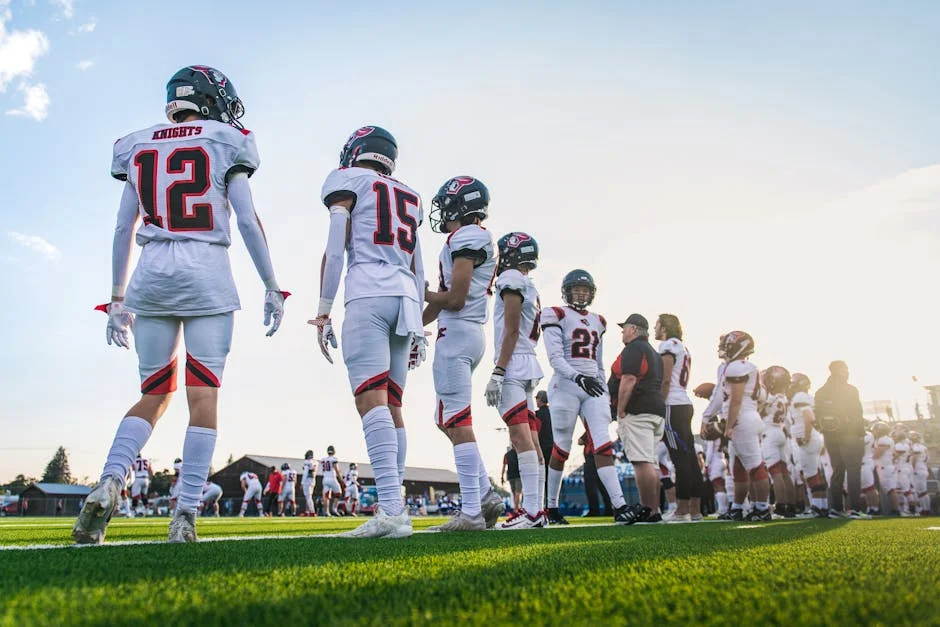
Minister Motshekga emphasized the importance of school sports in promoting not just physical health but also social cohesion and discipline among students. "Participating in sports teaches young people valuable life skills, including teamwork, leadership, and resilience," she stated during the launch event held in Johannesburg.
Addressing Historical Disparities
One of the critical components of the programme is its focus on addressing historical disparities in sports access between urban and rural areas. According to a report by Sport and Recreation South Africa, nearly 70% of rural schools lack basic sports facilities, which hampers the development of athletic talent.
The DBE's initiative includes partnerships with local businesses and non-governmental organisations to build sports facilities and provide equipment in underprivileged communities. This effort is expected to benefit over 1,500 schools nationwide, particularly in the Eastern Cape and Limpopo provinces, which have historically lagged behind in sports development.
Impact on Youth Development
A study conducted by the University of Cape Town indicates that students who engage in sports are 30% more likely to achieve higher academic performance. Furthermore, these students report lower levels of stress and anxiety, which can be crucial in a society facing significant challenges.
Education and sports experts are optimistic about the potential impact of the government's renewed commitment to school sports. Dr. Thandiwe Khumalo, a sports psychologist, noted that participating in sports can foster a sense of belonging and identity among students, particularly in socio-economically disadvantaged areas.
Community Engagement and Local Talent
To further enhance local talent development, the DBE has also announced a series of regional sports festivals aimed at identifying and nurturing young athletes. These festivals will allow students from different provinces to compete in various sports, showcasing their talents and potentially leading to scholarships at higher learning institutions and professional sports academies.
Local coaches are being trained to help nurture young talent, with the assistance of organizations such as SAFA (South African Football Association) and Netball South Africa. These partnerships are crucial, as they provide expertise and resources needed to elevate the quality of coaching in schools.
Challenges Ahead
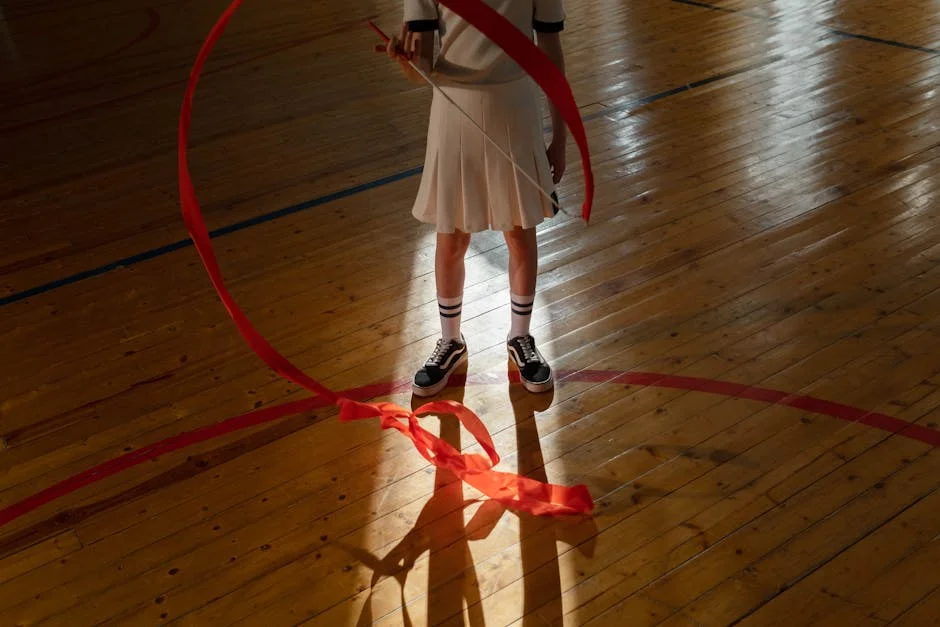

While the School Sport Development Programme has the potential to transform youth sports in South Africa, challenges remain. Concerns about funding sustainability and the commitment of schools to participate in the initiative have been raised. With numerous other priorities vying for government attention, ensuring that school sport remains a focal point will be essential.
Additionally, the cultural perception of sports in education needs to shift. Many parents still prioritize academic achievement over athletic participation, which can discourage young athletes. The DBE has committed to running awareness campaigns to promote the benefits of balanced education that includes physical activity.
Looking Forward
The revival of school sports in South Africa is not just about winning trophies; it is about building a healthier, more cohesive society. As schools gear up for the upcoming sports season, it is hoped that the efforts of the DBE, alongside community engagement, will inspire a new generation of athletes who can proudly represent their schools and the nation on global platforms.
In conclusion, with a well-structured approach and strong community support, South Africa's school sports arena stands on the brink of a remarkable renaissance. The future looks bright for young athletes aspiring to make their mark both on and off the field.
Frequently Asked Questions
What is the latest news about reviving school sport a new era for south african youth?
Just as the nation grapples with pressing social issues, the revival of school sport has emerged as a beacon of hope for South African youth.
Why does this matter for sports?
Now, with the country on a path to recovery, the Department of Basic Education (DBE) has announced an ambitious plan to reinvigorate school sports programs across the nation.Government Initiatives and SupportOn June 6, 2025, Basic Education Minister
What are the key facts about reviving school sport a new era for south african youth?
"Participating in sports teaches young people valuable life skills, including teamwork, leadership, and resilience," she stated during the launch event held in Johannesburg.Addressing Historical DisparitiesOne of the critical components of the progra