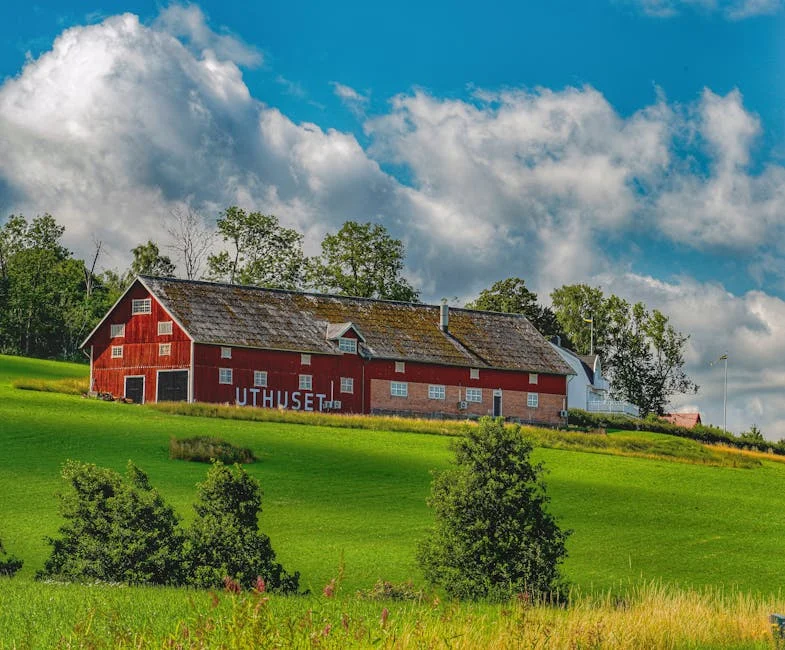
The vibrant Nigerian fishing festival, held last weekend, showcased the cultural richness of the region while also highlighting significant opportunities for economic growth and infrastructure development.
Celebrating Tradition Amidst Modern Challenges
The annual fishing festival, which took place in Lagos, attracted thousands of locals and tourists alike. This year’s event featured traditional fishing techniques, food stalls, and cultural performances, demonstrating the unique blend of heritage and community spirit that defines Nigerian culture. The festival was more than just a celebration; it served as a reminder of the traditional fishing practices that are under threat from modern challenges such as overfishing and climate change.
Economic Growth and Infrastructure Development Opportunities
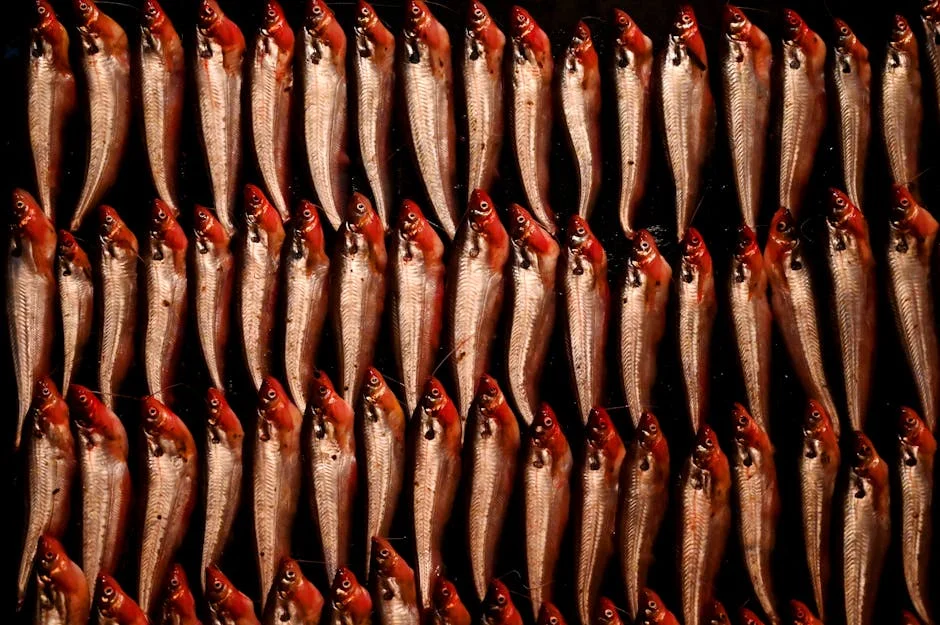
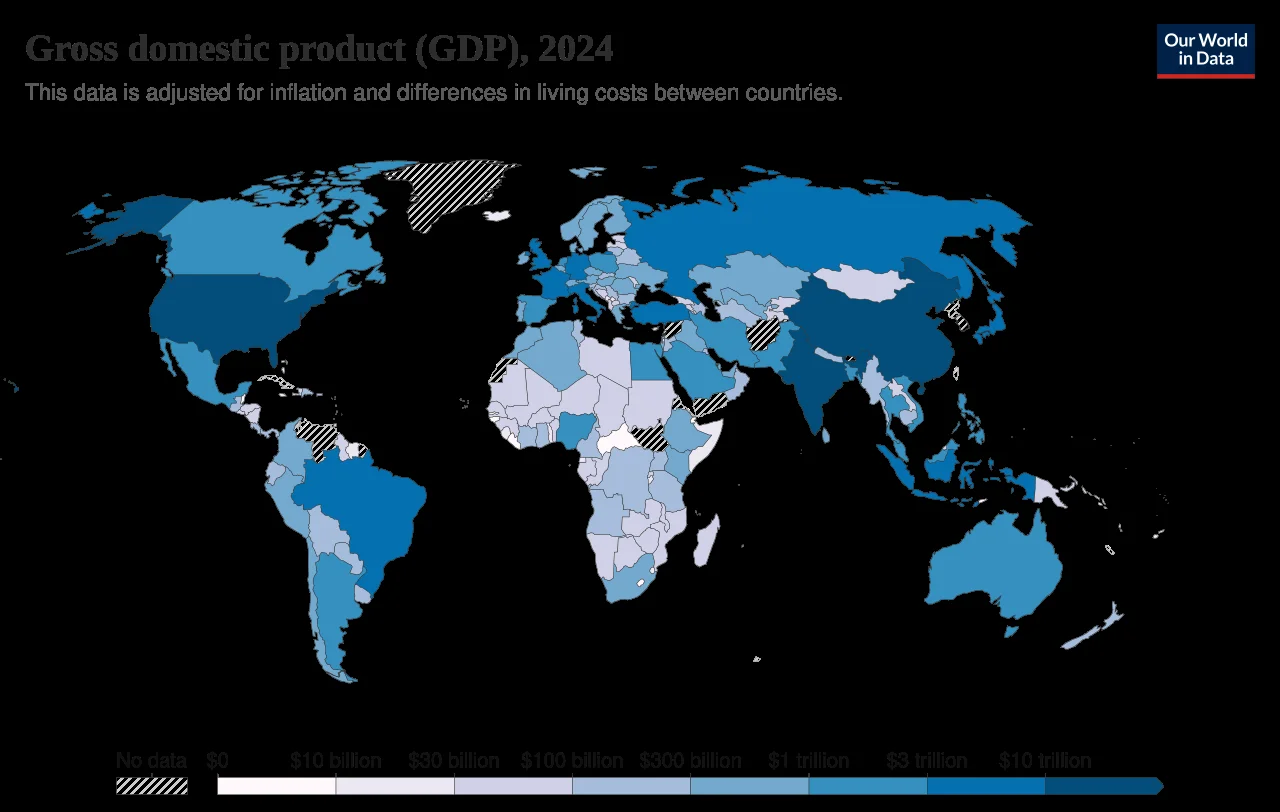
As Nigeria continues to grapple with economic challenges, events like the fishing festival offer valuable insights into potential growth areas. The festival not only boosts local tourism but also encourages investment in the fishing industry. According to the Nigerian Bureau of Statistics, the fishing sector contributes about 1.4% to the national GDP, highlighting its importance for economic diversification. Improved infrastructure, such as better roads and port facilities, could enhance the distribution of fish products and attract more tourists to such cultural events.
The Health of Nigeria's Fishing Industry

Despite its cultural significance, the fishing industry in Nigeria faces numerous challenges, including pollution, illegal fishing practices, and the impacts of climate change. These issues not only threaten the livelihoods of local fishermen but also pose risks to food security in the region. The government has initiated various measures to combat these challenges, including stricter regulations and partnerships with local communities. By addressing these issues, Nigeria can work towards achieving several African development goals, including sustainable economic growth and improved health outcomes.
Cultural Exchange and Pan-African Cooperation
The festival also serves as a platform for cultural exchange within the continent. South African attendees expressed interest in learning from Nigeria’s fishing practices, while local craftsmen showcased their work to a broader audience. This exchange fosters regional cooperation, essential for addressing shared challenges such as environmental sustainability. As nations work together to strengthen their cultural ties, they also lay the groundwork for collaborative efforts in governance and economic initiatives that benefit the entire continent.
What’s Next for Nigeria's Fishing Sector?
As Nigeria continues to develop its fishing industry, stakeholders are urged to consider sustainable practices that align with African development goals. The success of the fishing festival highlights the potential for cultural events to drive economic growth and improve social cohesion. Moving forward, it will be crucial for both government and industry leaders to invest in infrastructure and education, ensuring that the fishing sector not only thrives but also contributes significantly to the nation’s overall development.
Frequently Asked Questions
What is the latest news about nigerian fishing festival showcases cultural richness what it means for african development?
The vibrant Nigerian fishing festival, held last weekend, showcased the cultural richness of the region while also highlighting significant opportunities for economic growth and infrastructure development.Celebrating Tradition Amidst Modern Challenge
Why does this matter for culture-arts?
The festival was more than just a celebration; it served as a reminder of the traditional fishing practices that are under threat from modern challenges such as overfishing and climate change.Economic Growth and Infrastructure Development Opportuniti
What are the key facts about nigerian fishing festival showcases cultural richness what it means for african development?
According to the Nigerian Bureau of Statistics, the fishing sector contributes about 1.4% to the national GDP, highlighting its importance for economic diversification.