The ongoing Middle East War has sent shockwaves through African economies, particularly in Lagos, as trade disruptions loom. As the conflict escalates, the implications for South Africa and broader African development goals grow increasingly concerning.
Lagos Faces Economic Strain Amid Conflict
Recent developments in the Middle East have led to significant economic challenges for Lagos, Nigeria’s commercial hub. The war has disrupted supply chains, particularly in oil and food sectors, resulting in increased prices and inflationary pressures. As of October 2023, Lagos has reported a rise in fuel prices by 15% due to supply shortages, which experts warn could lead to wider economic instability.
How the Middle East War Affects South Africa
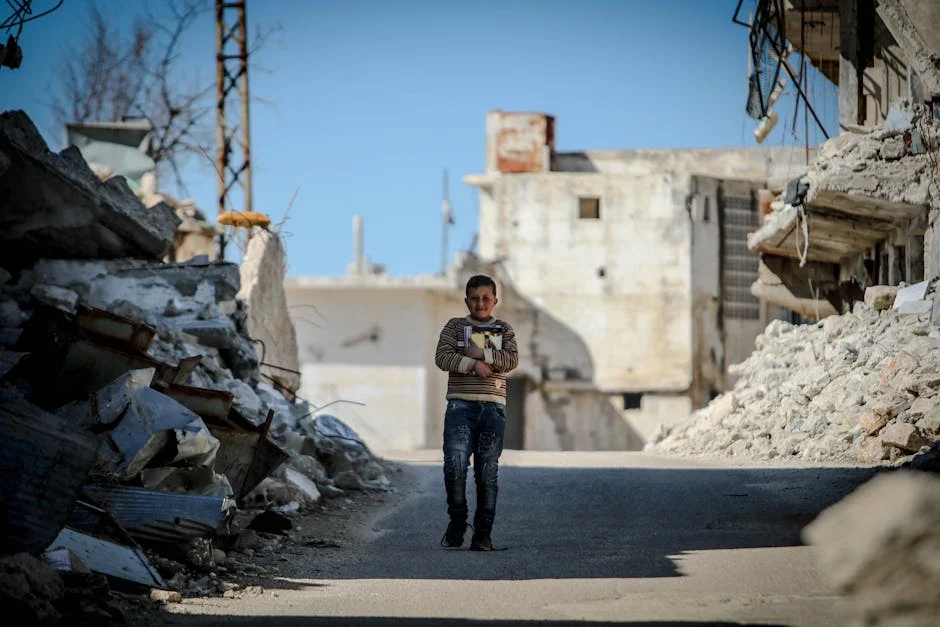
South Africa, a key player in regional politics, is already feeling the impact of the Middle East War through rising commodity prices and strained trade relationships. The Johannesburg Stock Exchange (JSE) has shown volatility, reacting to the uncertainties surrounding oil prices, which have surged globally. Analysts predict that heightened prices could affect South Africa's inflation rate, which may hinder economic growth and complicate the nation’s recovery post-COVID-19.
Continental Challenges: Governance and Development Goals
This conflict presents a critical juncture for African development goals, particularly in governance and economic resilience. With many African nations relying heavily on imports from the Middle East, the war raises questions about the continent's vulnerability to external shocks. As countries like Nigeria and South Africa grapple with these issues, it underscores the need for enhanced regional cooperation and stronger governance frameworks to mitigate risks related to global conflicts.
Opportunities for Economic Diversification
Despite the challenges presented by the Middle East War, there lies an opportunity for African economies to diversify. Countries like Nigeria can accelerate investments in renewable energy and local food production to reduce dependence on external markets. Initiatives focused on infrastructure development in Lagos could also create jobs and stimulate local economies, which is crucial for long-term stability.
What to Watch For Next
As the Middle East War continues, stakeholders across Africa should monitor developments closely. The potential for increased inflation and economic slowdown poses risks, but there are also opportunities for strategic investments and reforms. Policymakers must focus on strengthening regional ties and diversifying economies to build resilience against future global disruptions.