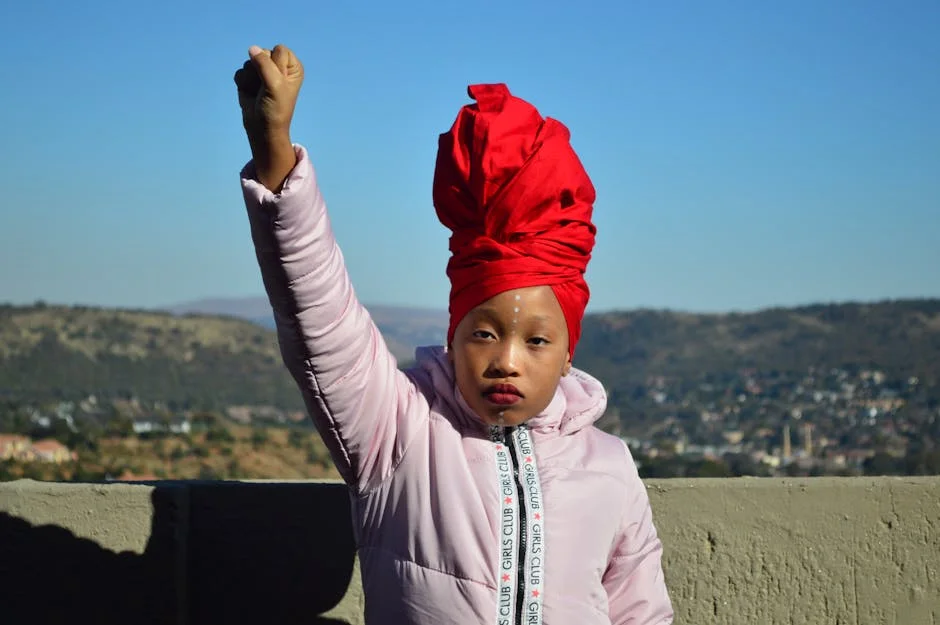
Tunisians took to the streets on Saturday, protesting against the escalating tensions between the US and Israel on one side and Iran on the other. The protests unfolded in Tunis and several other cities, reflecting widespread discontent over perceived foreign interventions in regional politics.
Public Sentiment Against Foreign Intervention
The protests were organised by various civil society groups and political parties that oppose what they see as an imperialistic approach by Western powers towards the Middle East. Protesters chanted slogans condemning US and Israeli actions in Iran, demanding an end to foreign interference in sovereign nations. This reflects a deep-rooted sentiment among many Tunisians who feel that their country's interests are often sidelined in favour of foreign agendas.

Iran's Role and Its Significance in the Region
Iran's strategic importance in the Middle East has long been a point of contention, particularly for the US and its allies. The latest developments surrounding Iran raise questions about how African nations, particularly Tunisia, perceive their geopolitical landscape. As regional powers like Iran assert their influence, smaller nations like Tunisia must navigate complex diplomatic waters while ensuring their development goals are not compromised.
Impact on African Development Goals
As African nations strive to achieve the Sustainable Development Goals (SDGs), the ongoing geopolitical strife poses challenges and opportunities. Tunisia, which has been working to improve its governance and economic stability, faces the risk of being drawn into conflicts that can disrupt its progress. The protests demonstrate that Tunisians are increasingly aware of how global politics impact their local context, and they demand that their leaders prioritise national over foreign interests.
Economic Ramifications of the Conflict
The US-Israeli stance towards Iran could have far-reaching economic implications for African countries. Tunisia, already grappling with economic instability, may find its trade relations and foreign investments affected should tensions escalate. Observers have noted that the conflict could exacerbate existing challenges such as unemployment and poverty, which are critical concerns for Tunisians. Furthermore, the protests underscore the potential for Tunisia to emerge as a voice for African nations navigating the repercussions of foreign intervention.
The Future of Tunisian Politics and Its Regional Influence
As Tunisia continues to grapple with its political identity in the post-revolution era, the protests serve as a reminder that the populace is willing to actively engage in shaping its political landscape. The growing awareness and activism could translate into a more robust demand for accountability from political leaders. In light of this, South Africa and other African nations should closely monitor Tunisia's political developments as they could signal a shift in regional dynamics that may influence their own governance and foreign policies.
Conclusion: What Lies Ahead for Tunisia and Africa?
The protests against US-Israeli actions towards Iran encapsulate a broader narrative of resistance against foreign domination that resonates deeply within Africa. As the continent navigates its path towards development, the solidarity expressed by Tunisians can inspire similar movements across Africa. The coming weeks will be critical in determining how Tunisia balances its foreign alliances with the need to focus on domestic priorities. Observers should keep an eye on Tunisian politics as they unfold, as it could significantly impact the continent's pursuit of stability and development.