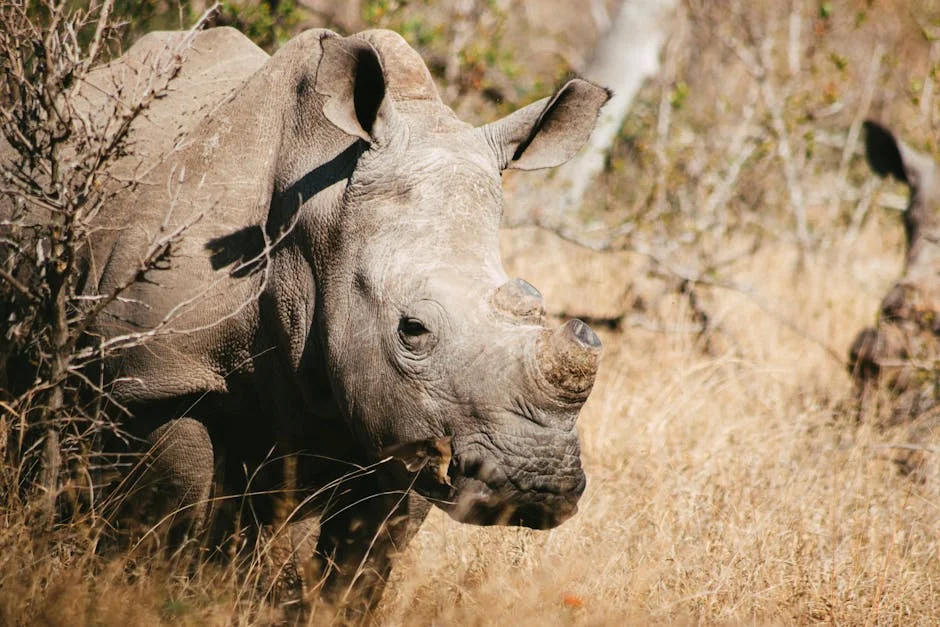
On World Wildlife Day, Africa highlights the critical role of medicinal plants in healthcare and biodiversity conservation. This annual celebration, held on March 3rd, aims to raise awareness about the importance of wildlife and their habitats, particularly regarding the untapped potential of indigenous plants across the continent.
The Significance of Medicinal Plants in African Healthcare
Medicinal plants are not only a cornerstone of traditional medicine but also contribute significantly to modern healthcare in Africa. According to the World Health Organization, approximately 80% of the African population relies on traditional medicine for primary healthcare. This reliance underscores the urgent need for sustainable management of these natural resources.
Linking Biodiversity and Economic Growth
As the continent strives to meet the United Nations Sustainable Development Goals (SDGs), the integration of biodiversity conservation into economic frameworks becomes crucial. Medicinal plants offer an opportunity for economic development through sustainable harvesting practices, which can create jobs and income for local communities. For instance, South Africa's indigenous plants, like Buchu and Aloe, are already being commercialised, showing the potential for growth in the herbal medicine market.
Challenges to Conservation and Utilisation
Despite the potential benefits, there are significant challenges. Overharvesting, habitat destruction, and climate change threaten the survival of many medicinal plants. Furthermore, inadequate governance and lack of investment in research hinder the sustainable development of these resources. A coordinated effort is needed to implement policies that protect biodiversity while promoting economic opportunities.
Opportunities on the Horizon
World Wildlife Day serves as a reminder of the opportunities available through the protection and promotion of Africa's medicinal plants. By investing in conservation initiatives and supporting local communities in their sustainable use, Africa can harness its rich biodiversity to improve healthcare outcomes and drive economic growth. This aligns with broader continental goals, such as the African Union's Agenda 2063, which calls for a prosperous Africa based on inclusive growth and sustainable development.
The Call for Action
As African nations commemorate World Wildlife Day, the call to action is clear: there is a need for greater awareness and action towards the sustainable management of medicinal plants. By valuing these resources, African countries can work towards achieving their development goals, addressing healthcare challenges, and unlocking economic potential.