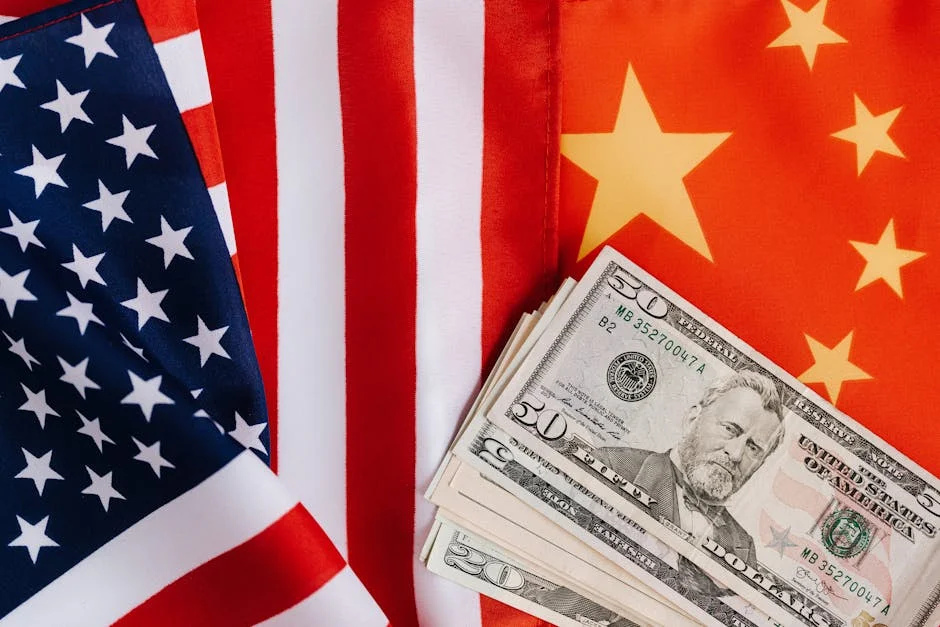
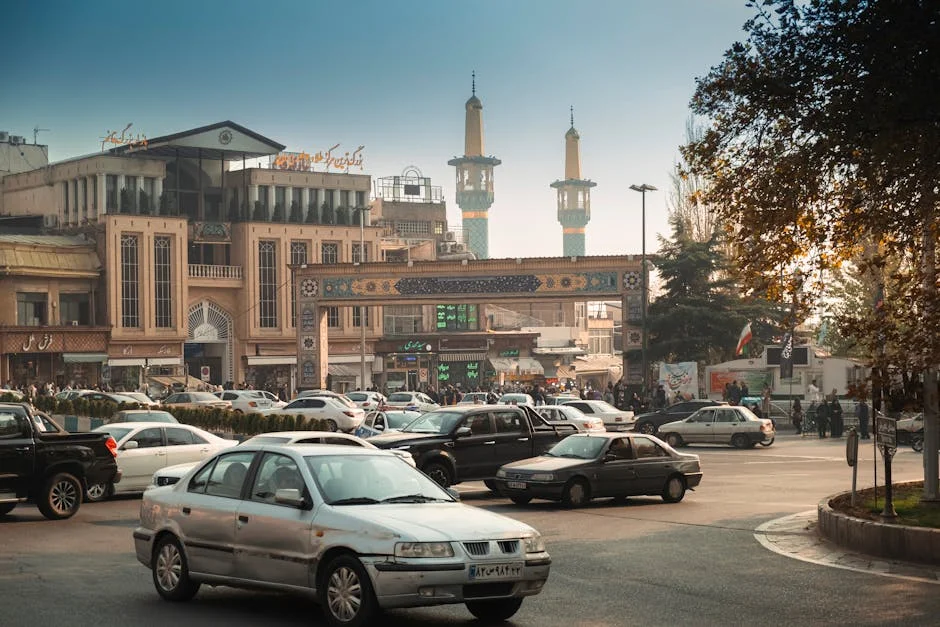
The ongoing conflict in Iran is not just a Middle Eastern affair; it also presents significant opportunities for China to expand its influence across the broader Asian region, potentially reshaping the geopolitical landscape and offering new avenues for collaboration with South Africa.
Rising Tensions in the Middle East Create Opportunities for China
The recent escalation of tensions in Iran has not only captured global attention but also presented China with an opportunity to strengthen its strategic position in the Middle East. As one of the world’s largest economies and a key player in international trade, China stands to benefit from increased stability and favourable trading conditions in the region. This is particularly relevant for South Africa, which looks towards the Middle East as a crucial partner for trade and investment.
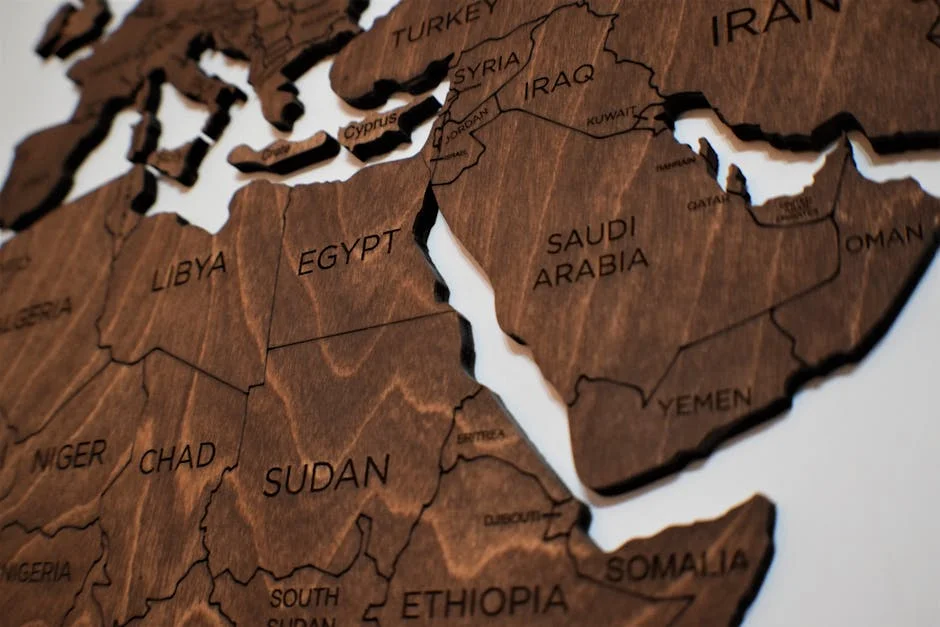
China's Economic Influence Expands into New Regions
China’s Belt and Road Initiative (BRI) has been instrumental in fostering closer ties between China and various countries along its proposed routes. The initiative aims to create a network of land and maritime routes connecting Asia with Europe and Africa, enhancing economic cooperation and facilitating the flow of goods and services. With the current instability in the Middle East, China sees an opportunity to further solidify its economic influence by investing in infrastructure projects and fostering trade partnerships in the region.
South Africa Seeks Closer Ties with China Amidst Regional Changes
As China continues to assert its influence in the Middle East and beyond, South Africa finds itself in a unique position to leverage these developments. South Africa, being a member of both the African Union and the BRICS group, is well-placed to benefit from China’s growing economic might. By deepening its relationships with China, South Africa can enhance its own economic prospects and contribute to the broader goals of African development and regional integration.
The Role of the Indo-Pacific in Shifting Geopolitical Dynamics
The Indo-Pacific region plays a critical role in shaping the global balance of power, and the events in Iran have implications for this dynamic. As China seeks to expand its influence in the Middle East, it also looks to solidify its position in the Indo-Pacific. This dual approach allows China to create a more interconnected network of strategic alliances that extend from the Middle East to the shores of the Pacific. For South Africa, this means potential new pathways for economic engagement and collaboration with China and other Indo-Pacific nations.
Economic Growth and Development in South Africa and Beyond
The shifting geopolitical landscape, driven by events such as those in Iran, offers South Africa and other African nations opportunities for enhanced economic growth and development. By aligning itself closely with China and other key players in the Indo-Pacific, South Africa can tap into new markets, attract investment, and foster innovation. These factors are crucial for achieving the broader goals of African development, including improvements in infrastructure, healthcare, and education.
Conclusion: A New Era of Cooperation and Growth
The conflict in Iran serves as a catalyst for change, not just in the Middle East, but across Asia and beyond. It presents an opportunity for China to deepen its influence in the region and for South Africa to benefit from new economic partnerships. As the world watches the unfolding drama in the Middle East, the potential for new collaborations and growth in the Indo-Pacific and beyond becomes increasingly apparent. For South Africa, this means a chance to play a pivotal role in the global economy and contribute to the ongoing narrative of African development and prosperity.