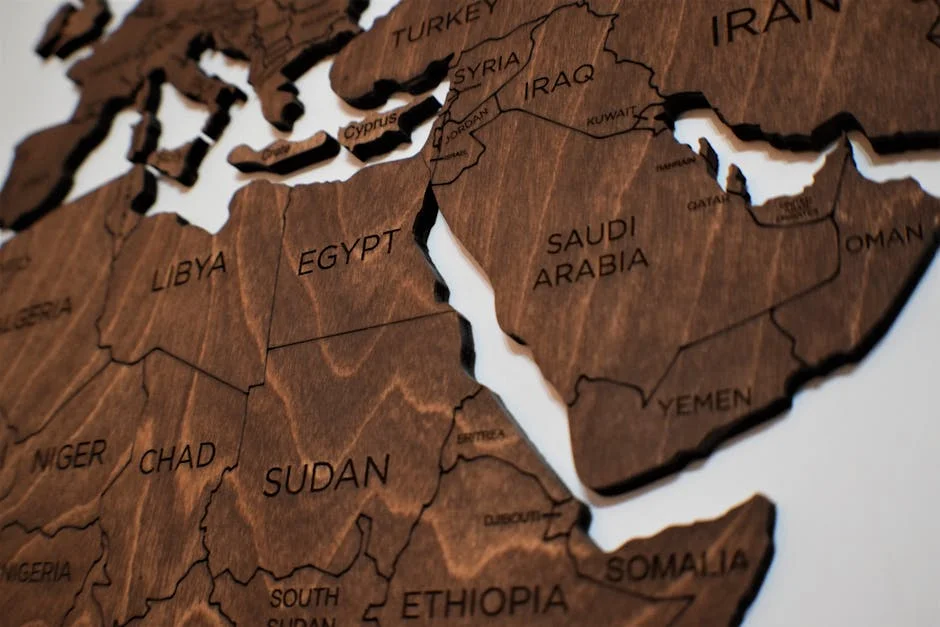
Africa’s trade ties with China receive a boost as Beijing introduces a tariff-free regime for African exports, offering both promising prospects and potential challenges for the continent’s development goals.
Tariff-Free Trade Boosts African Exports
China has announced that it will eliminate tariffs on imports from 98% of African countries, marking a significant step towards closer economic ties between the world’s most populous nation and its African partners. This move is set to benefit African exporters, who can now sell their goods to China without facing import duties, making their products more competitive on the Chinese market. The decision comes at a time when many African nations are seeking to diversify their export markets and reduce their reliance on traditional trading partners.
Potential Benefits for African Economies
The elimination of tariffs opens up new opportunities for African economies to strengthen their trade relationships with China. By accessing the vast Chinese consumer market, African producers can increase their sales volumes and potentially improve their economic conditions. Moreover, this trade facilitation could encourage further investment flows into Africa, as Chinese companies seek to establish supply chains and production facilities on the continent. Such investments would contribute to job creation and technological transfer, fostering a more robust industrial base in African countries.
Economic Diversification and Growth
For African nations, the tariff-free regime represents an important milestone in their quest for economic diversification. Historically, many African economies have been heavily reliant on primary commodity exports, such as oil, minerals, and agricultural products. However, the new trade arrangement with China offers a chance for these countries to expand into other sectors, including manufacturing and services. This diversification could lead to a more stable and resilient economy, better equipped to withstand external shocks and fluctuations in global commodity prices.
Potential Challenges for Smaller African Producers
While the tariff-free regime presents numerous benefits, there are also some potential downsides for smaller African producers. For instance, larger African companies might be better positioned to take advantage of the new trade opportunities due to their existing market presence and logistical capabilities. Smaller producers may face difficulties in competing against these larger firms, particularly if they lack access to financing or modern technology. Furthermore, the quality standards set by the Chinese market could pose additional hurdles for some African exporters, requiring them to invest in upgrading their production processes and product quality.
Impact on Regional Integration Efforts
The introduction of the tariff-free regime also has implications for regional integration efforts within Africa. As African countries increasingly look to China as a key trading partner, there may be incentives for them to deepen their cooperation and coordination in areas such as transportation, logistics, and customs procedures. This could help to streamline cross-border trade and create a more unified African market that is better able to compete globally. Additionally, the enhanced trade relationship with China might spur greater collaboration among African nations in negotiating favourable terms with other international partners, contributing to a stronger collective bargaining position.
Challenges in Implementing the New Trade Arrangement
Despite the promise of the tariff-free regime, there are several challenges that need to be addressed for it to fully realise its potential. One key issue is the need for improved infrastructure in many African countries, which can affect the efficiency and cost-effectiveness of transporting goods to and from China. Investment in roads, ports, and railways will be crucial to ensuring that African producers can take full advantage of the new trade opportunities. Another challenge relates to the administrative processes involved in exporting to China, such as obtaining necessary certifications and navigating complex regulatory requirements. Strengthening the capacity of African businesses to meet these demands will be essential for successful implementation of the new trade arrangement.
Conclusion: A Step Towards Greater Economic Interdependence
Overall, China’s decision to introduce a tariff-free regime for African exports represents an important step towards greater economic interdependence between China and Africa. While there are potential challenges and complexities to navigate, the new trade arrangement holds significant promise for boosting African exports, driving economic growth, and supporting the continent’s development goals. As African nations continue to build their trade relationships with China, they will also have the opportunity to strengthen their own economies and enhance their global competitiveness.