In Cairo, an Egyptian artist is reshaping the landscape of Sufi practices during Ramadan by challenging traditional gender roles associated with whirling. This bold move not only highlights the significance of female representation in Islamic culture but also reflects broader themes of development and empowerment across Africa.
Breaking Barriers: The Rise of Female Whirlers
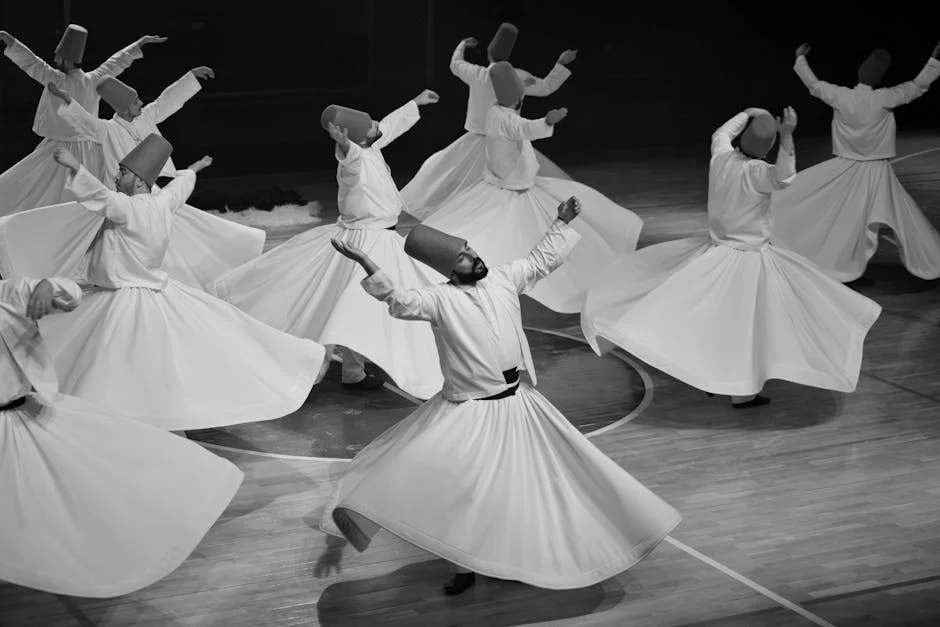
During the sacred month of Ramadan, the practice of Sufi whirling, traditionally dominated by male performers, has seen an unexpected shift as Egyptian artist Layla Nour steps into the spotlight. Nour's performances in Cairo have captivated audiences, merging spiritual expression with a feminist ethos that calls for the inclusion of women in all facets of Islamic art. This initiative, sparked in 2023, resonates with a growing movement aimed at redefining gender roles within African societies.
The Historical Context of Sufi Whirling
Sufi whirling has deep roots in Islamic culture, often viewed as a means to achieve spiritual ecstasy and connection with the divine. Historically, this practice has been male-centric, with women largely excluded from its mainstream representation. However, Nour’s recent performances challenge this narrative, encouraging a re-examination of the role of women in Islamic traditions. Through her work, she references the cultural significance of female artists in Egypt and their impact on South Africa, fostering a dialogue on how Islamic practices can evolve to embrace inclusivity.
Empowerment Through Art: Nour's Vision

Nour has stated, “Art is a reflection of society, and my whirling is not just about dance; it’s about breaking the chains of expectation.” Her vision extends beyond performance; she seeks to empower other women by creating workshops and safe spaces where they can explore their spiritual and artistic identities. By doing so, she aligns with the United Nations Sustainable Development Goals (SDGs), particularly those aimed at gender equality and reduced inequalities, crucial for the advancement of African nations.
Cultural Exchange and its Broader Implications
The influence of Egyptian culture on Africa, particularly South Africa, is profound. As Nour gains recognition, she is not only uplifting women in her community but also paving the way for cultural exchanges that enrich both regions. This aligns with African development goals that emphasize cultural heritage as a driver for economic growth. Through artistic collaboration, countries can leverage their unique histories to foster tourism, education, and cross-cultural understanding.
The Future of Sufi Whirling: Challenges and Opportunities
While Nour’s efforts have garnered significant attention, challenges remain. Traditionalists may resist the inclusion of women in Sufi whirling, arguing that it could dilute the spiritual essence of the practice. However, the opportunities for growth and renewal within the Sufi community could outweigh these concerns. As her movement gains momentum, it could spark discussions around governance and the need for inclusive policies that support female artists and their contributions to Islamic culture.
Conclusion: Watching for Change
As Layla Nour continues to perform and advocate for female representation in Sufi practices, observers should watch how her movement influences the broader landscape of Islamic art and cultural practices in Africa. The implications of her work extend beyond performance; they challenge society to rethink gender roles and embrace a more inclusive vision for the future of African development.