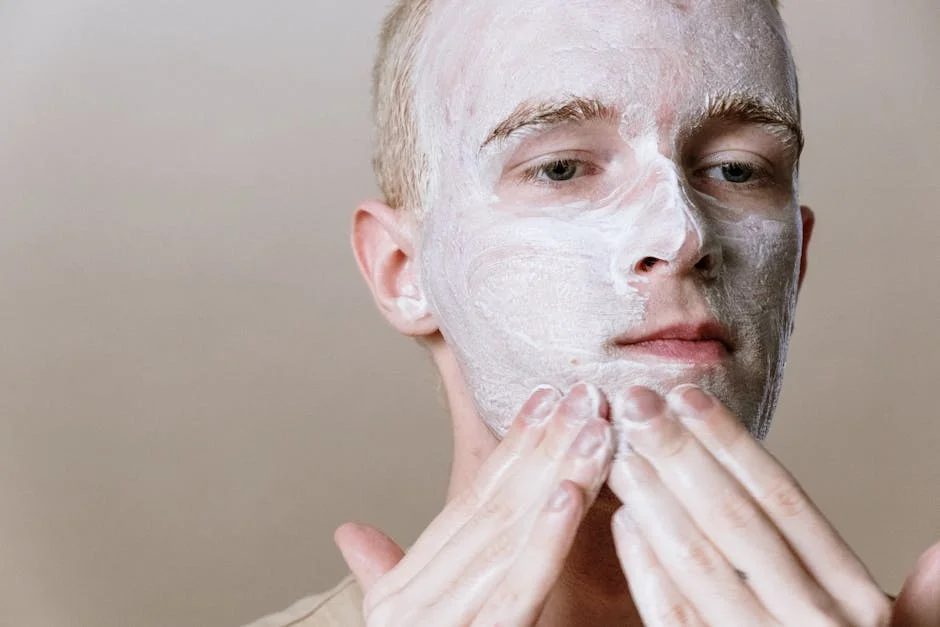
As skincare routines go viral on social media, health professionals are urging caution. Many individuals are jumping on the latest trends without considering their unique skin types, potentially leading to adverse effects. This warning comes amid a surge of online influencers advocating for products that may not align with the needs of diverse skin types across Africa.
Viral Trends: The Allure and Risks
In recent months, various skincare routines have taken the internet by storm, showcasing everything from unusual ingredients to elaborate multi-step processes. However, dermatologists are cautioning that what works for one person may not work for another, especially when it comes to skin health. Dr. Nyasha Chikowore, a dermatologist based in Johannesburg, emphasises, "The impact of viral trends can be significant, particularly when individuals neglect their own skin's specific needs in favour of what is popular online."
The Role of Skin Health in African Development
Skin health is an essential aspect of overall well-being and plays a vital role in Africa's development goals. The World Health Organization (WHO) has highlighted the importance of skin diseases as a significant public health concern, particularly in regions where access to dermatological care is limited. Skin conditions can affect productivity, self-esteem, and social interactions, creating barriers to economic growth and development.
Understanding Skin Diversity Across the Continent


African skin is incredibly diverse, ranging from oily to dry, with varying levels of melanin. This diversity means that a one-size-fits-all approach to skincare is often ineffective and can even be harmful. Skin types across the continent react differently to products due to environmental factors, genetics, and cultural practices. For instance, Dr. Chikowore notes, "The high UV exposure in many African regions necessitates a tailored approach to sun protection that viral trends often overlook."
Access to Education: The Key to Informed Choices
To combat the risks associated with following viral skincare routines, education is crucial. Initiatives that promote awareness about skin health and provide training on how to identify individual skin types can empower consumers to make informed choices. Non-profit organisations and local health authorities are working together to create resources aimed at educating communities about skin health, helping them to discern effective practices from harmful trends. "An educated consumer is our best ally in promoting skin health," says Dr. Chikowore.
Consequences of Ignoring Professional Advice
Failing to heed medical advice can lead to a range of skin issues, from irritation and allergic reactions to more severe conditions that require professional treatment. The increasing prevalence of skin-related problems, particularly among young people influenced by social media, highlights the urgent need for proper education and guidance. As the African continent strives towards achieving health-related development goals, it is essential to promote a culture of informed skincare practices rather than blind adherence to viral trends.
In conclusion, while the allure of viral skincare routines may be strong, the risks associated with them cannot be ignored. As the conversation around skin health continues to grow, it is vital for individuals to prioritise their unique skin needs and seek professional advice when necessary.
Frequently Asked Questions
What is the latest news about doctors warn against viral skincare routines what you need to know?
As skincare routines go viral on social media, health professionals are urging caution.
Why does this matter for economy-business?
This warning comes amid a surge of online influencers advocating for products that may not align with the needs of diverse skin types across Africa.Viral Trends: The Allure and RisksIn recent months, various skincare routines have taken the internet
What are the key facts about doctors warn against viral skincare routines what you need to know?
Nyasha Chikowore, a dermatologist based in Johannesburg, emphasises, "The impact of viral trends can be significant, particularly when individuals neglect their own skin's specific needs in favour of what is popular online."The Role of Skin Health in