Audi's new RS5 has ignited debates over its performance against the BMW M3 and Mercedes-Benz C63 AMG, raising questions about the future of luxury sports cars in South Africa. Unveiled recently, the RS5 promises impressive speed and performance, but how does it hold up against its rivals? This comparison is not just about speed; it reflects broader themes in African development, particularly in the automotive industry.
Audi's Performance Metrics: The RS5's Specifications
The Audi RS5 boasts a 2.9-liter V6 twin-turbocharged engine, propelling it from 0 to 100 km/h in just 3.9 seconds. This figure positions it competitively against the BMW M3 and the Mercedes C63 AMG, which clock in at similar times. However, the RS5's top speed reaches 250 km/h, electronically limited, matching its competitors in raw power. The vehicle's quattro all-wheel drive system enhances traction and stability, critical factors in South Africa's diverse driving conditions.
BMW and Mercedes: More Than Just Speed
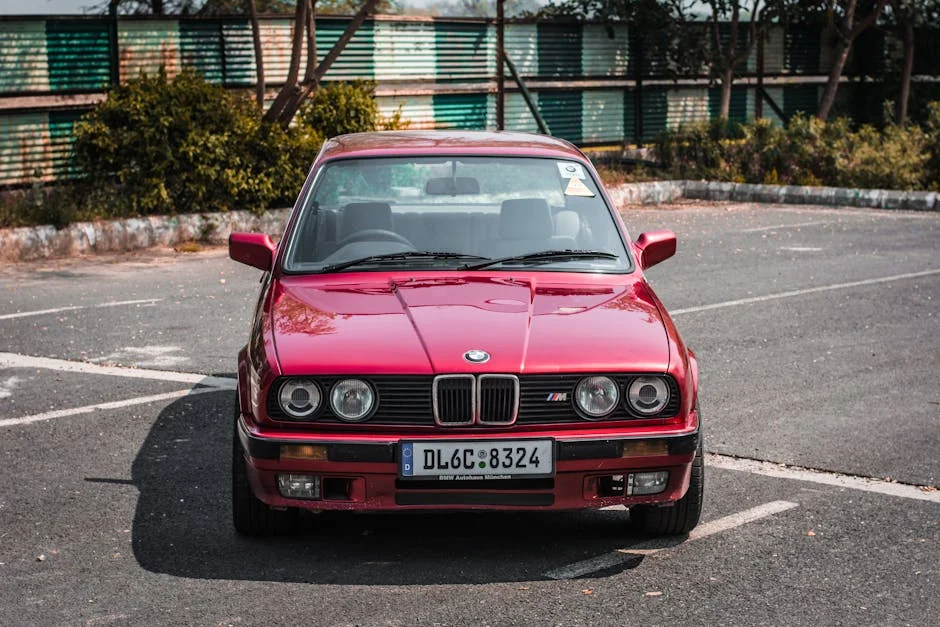
The BMW M3 has established itself as a favourite among enthusiasts, known for its sharp handling and driver engagement. Meanwhile, the Mercedes C63 AMG is celebrated for its luxurious interior and robust performance. Both brands have strong followings in South Africa, where the luxury sports car market is growing, reflecting a burgeoning middle class eager to invest in high-performance vehicles. This trend represents a significant economic opportunity for the automotive sector in the region.
Economic Implications for South Africa
The competition between Audi, BMW, and Mercedes is emblematic of broader economic trends affecting South Africa. As the automotive industry plays a crucial role in job creation and technological advancement, the introduction of vehicles like the RS5 could stimulate local manufacturing and innovation. Moreover, a thriving luxury car market can attract foreign investment, essential for achieving the African Union's Agenda 2063 goals for economic growth and infrastructure development.
Infrastructure and Market Development
With increased demand for high-performance vehicles comes the need for improved infrastructure. South Africa's road networks must be maintained and upgraded to support the growing number of luxury vehicles. Additionally, the expansion of service stations and repair facilities will be essential to accommodate these cars' specific maintenance needs, presenting opportunities for local entrepreneurs.
Health and Governance Considerations
As more luxury cars hit South African roads, issues related to health and governance will also come into play. The environmental impact of high-performance vehicles, including emissions and resource consumption, necessitates government intervention to ensure sustainability. Policymakers must balance the desire for luxury with the need for environmental protection, which aligns with the African Union's objectives of promoting sustainable development.
Conclusion: The Road Ahead
The rivalry between Audi, BMW, and Mercedes is about more than just performance; it embodies the complexities of South Africa's economic landscape. As these brands compete for market share, they contribute to a narrative of growth and development that resonates with the continent's aspirations. Consumers should watch these developments closely, as they will influence not only the luxury market but also broader economic trends in South Africa.