The Azorean government has announced a significant financial boost for its fishing communities, allocating €237,000 across 564 local fishermen. This move aims to bolster the region’s struggling fisheries sector and aligns with broader efforts to promote sustainable economic growth.
Açores Fisheries Support Programme Revealed
The Azores government's decision to distribute €237,000 among 564 fishermen is part of a wider initiative to revitalise the islands' fisheries industry. The programme, launched earlier this year, targets small-scale fishers who have been hit hard by declining catches and increasing operational costs. According to the Ministry of Agriculture and Fisheries, the funds will help fishermen invest in modernising their equipment and improving their fishing practices.
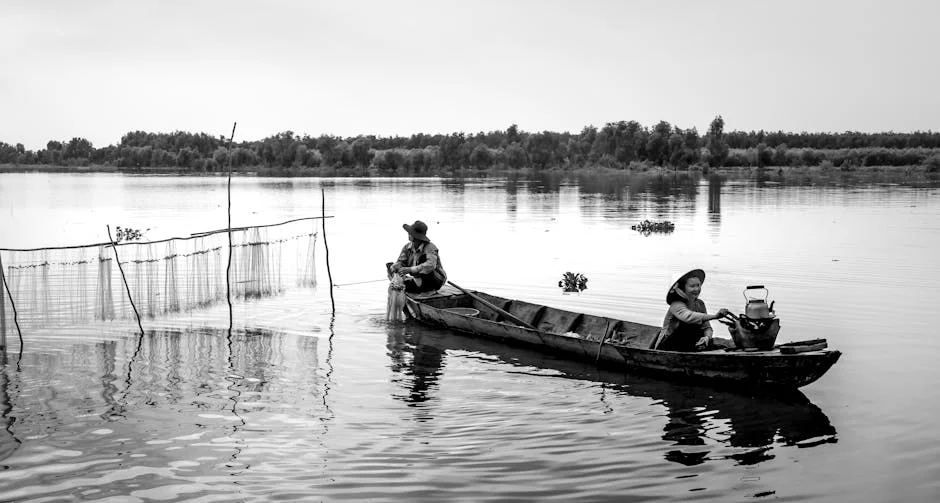
The allocation of funds comes at a crucial time for the Azores, where the fishing industry faces numerous challenges, including overfishing, climate change, and competition from larger commercial fleets. The €237,000 package is designed to provide immediate relief while fostering long-term sustainability.
Boosting Local Economies Through Fisheries Investment
The financial aid is expected to have a ripple effect on the local economies of the Azores, which rely heavily on fishing for employment and food security. By enabling fishermen to upgrade their boats and gear, the government hopes to increase productivity and efficiency, thereby enhancing the overall economic contribution of the sector.
Moreover, the programme includes training sessions and workshops aimed at educating fishers about sustainable fishing methods and environmental stewardship. These initiatives are crucial for preserving marine ecosystems and ensuring the long-term viability of the fisheries.
Comparative Insights: South Africa's Fisheries Sector
While the Azores’ approach focuses on supporting individual fishers, South Africa’s fisheries management strategy takes a broader view, encompassing both conservation and economic development. South Africa’s Department of Forestry, Fisheries and Environment has implemented a quota system and established Marine Protected Areas to protect biodiversity and maintain fish stocks.
The South African model also includes provisions for community-based fisheries projects, similar to those seen in the Azores, but on a much larger scale. These projects aim to empower coastal communities through co-management of resources and equitable distribution of benefits.
Challenges and Opportunities for African Fisheries
The challenges faced by the Azores fisheries mirror many of those confronting African nations. Overfishing, habitat degradation, and the impacts of climate change are widespread issues that threaten the sustainability of fisheries across the continent. However, there are also significant opportunities for innovation and improvement.
Innovative solutions such as improved monitoring and enforcement, sustainable aquaculture practices, and the adoption of technology can help address these challenges. For instance, satellite tracking systems and big data analytics can provide real-time insights into fish stocks and illegal fishing activities, aiding in more effective resource management.
Global Implications and Lessons Learned
The Azores’ fisheries support programme offers valuable lessons for other regions, particularly in Africa, where small-scale fisheries play a vital role in food security and livelihoods. By focusing on the needs of individual fishers and investing in sustainable practices, governments can foster resilient and productive fisheries sectors.
However, it is essential to tailor such programmes to the unique contexts of different regions. While the Azores may benefit from its island geography and relatively small population, African countries face additional complexities related to vast coastlines, diverse ecosystems, and socio-economic disparities.
The success of the Azores’ initiative could serve as a blueprint for similar projects in Africa, highlighting the importance of targeted financial support, technical assistance, and policy reforms. As the global community continues to grapple with the pressing issue of sustainable development, the experiences of the Azores offer a hopeful glimpse into the potential for positive change.