In a new report by the United Nations released on Wednesday, it has been revealed that childhood vaccination rates across Africa have seen a slight increase. However, despite this positive trend, millions of children remain unprotected against preventable diseases due to ongoing challenges such as conflict, poverty, and vaccine hesitancy. This development has significant implications for the continent's economic and healthcare landscapes.
Vaccination Trends and Immediate Statistics
The recent UN data highlights a gradual recovery in global childhood immunization programmes in 2025. The increase in vaccination rates in Africa, while promising, remains insufficient to meet the needs of the continent's vast population. With millions of children still lacking access to essential vaccines, the risk of disease outbreaks continues to pose a major threat.
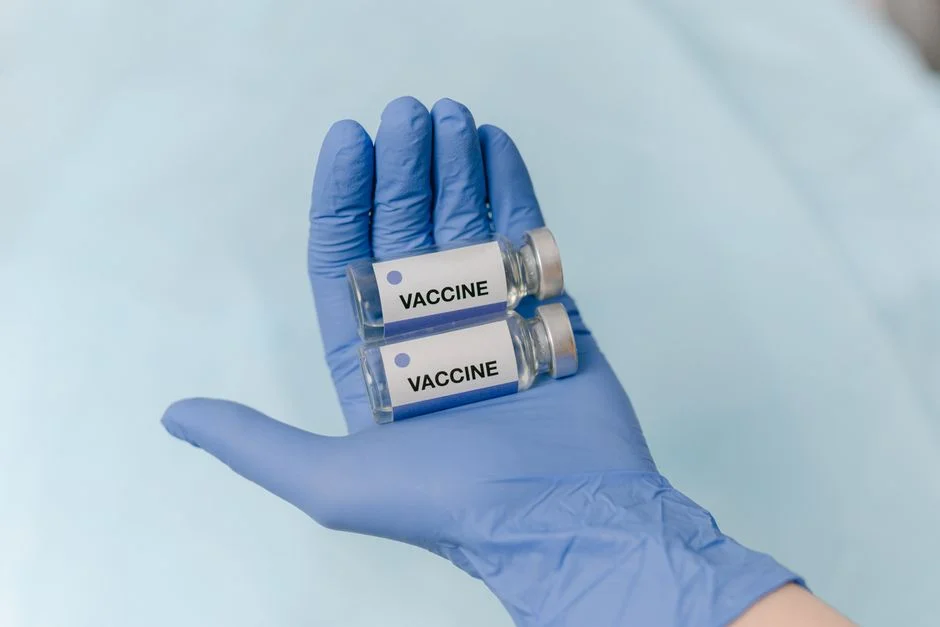
The figures indicate that certain regions in Africa have achieved more progress than others. Countries with stable governments and better healthcare infrastructure have managed to improve their vaccination rates significantly. However, areas plagued by conflict and poverty still lag behind, leaving large populations vulnerable to diseases like measles and polio.
Background and Historical Context
Childhood immunization has long been a critical component of public health strategies worldwide. In Africa, efforts to improve vaccination coverage have been ongoing for decades, often with support from international organizations and partnerships. Historically, progress has been uneven, with socio-economic disparities and political instability affecting the continent's ability to maintain consistent immunization rates.
The pandemic years saw a significant disruption in healthcare services, including immunization programmes, across the globe. Africa was no exception, with many countries experiencing setbacks in their vaccination efforts. The recent increase in vaccination rates suggests a recovery, but challenges remain in reaching the most underserved communities.
Why Vaccination Matters: Economic and Social Stakes
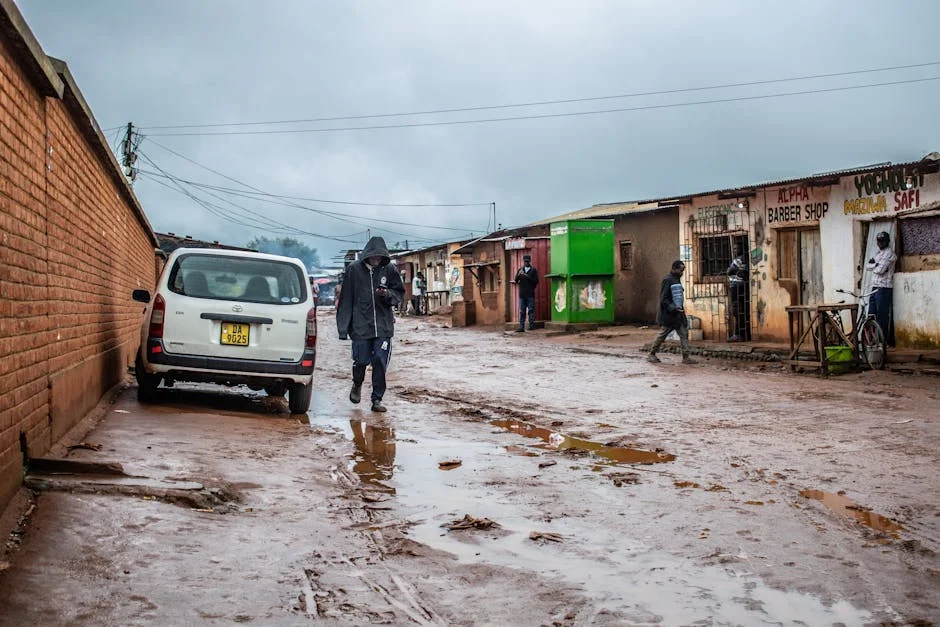

Vaccination is not just a health issue; it has far-reaching economic implications. Preventable diseases place a heavy burden on healthcare systems, diverting resources from other critical areas of development. Moreover, frequent disease outbreaks can lead to economic disruptions, affecting industries such as tourism and agriculture, which are vital to many African economies.
Socially, high vaccination rates contribute to healthier populations, leading to improved productivity and reduced healthcare costs. Education systems also benefit when children are healthy, as school attendance is more consistent. In this context, the slight increase in vaccination rates is a step in the right direction, but the need for comprehensive coverage is urgent.
Key Players and Institutional Roles
Several key players are involved in the effort to improve vaccination rates in Africa. The World Health Organization (WHO), UNICEF, and GAVI, the Vaccine Alliance, have been instrumental in supporting immunization programmes. Their work includes providing vaccines, funding, and technical assistance to countries in need.
National governments also play a crucial role in implementing vaccination policies and ensuring access to healthcare services. However, the effectiveness of these efforts varies depending on the country's economic status and governance. Partnerships between governments and international organizations are essential to overcoming the logistical and financial challenges of widespread vaccination.
Reactions and Positions of Stakeholders
Stakeholders such as healthcare workers, community leaders, and policymakers have differing views on the best strategies to improve vaccination rates. Many healthcare professionals advocate for increased investment in healthcare infrastructure and public health education to counter vaccine hesitancy.
Community leaders often emphasize the need for culturally sensitive approaches to vaccination campaigns. They point out that mistrust in vaccines can be rooted in historical grievances and misinformation. Policymakers are urged to address these issues while also focusing on improving the supply chain and distribution networks to ensure vaccines reach remote areas.
Broader Implications for the Region
The progress in vaccination rates, although modest, signals a potential turning point for public health in Africa. If sustained and expanded, this growth could contribute to a significant reduction in the prevalence of preventable diseases. This would have positive ripple effects on various sectors, including education, workforce productivity, and economic stability.
Moreover, the situation in Africa offers lessons for other regions facing similar challenges. The strategies employed by successful countries in improving vaccination rates could serve as models for replication elsewhere, contributing to global health security.
Next Steps and What to Watch
Looking forward, it is crucial for African countries and their partners to maintain the momentum in vaccination efforts. This will likely involve continued collaboration with international organizations and increased domestic investment in healthcare systems.
Upcoming events to watch include the next WHO Global Vaccine Summit, where new commitments and funding pledges are expected. Additionally, regional meetings may focus on developing targeted strategies to address the specific barriers to vaccination in Africa, ensuring that progress continues and expands.
For South African investors and businesses, the ongoing developments in vaccination rates are essential to monitor. Improved public health outcomes could enhance economic stability and growth prospects, creating new opportunities in various sectors. Keeping an eye on policy changes and health sector developments will be vital for informed decision-making.
See Also
- PSL Club Releases Former Orlando Pirates and Mamelodi Sundowns Stars
- WHO Honours Six Health Champions — What It Means for African Markets
If sustained and expanded, this growth could contribute to a significant reduction in the prevalence of preventable diseases. The World Health Organization (WHO), UNICEF, and GAVI, the Vaccine Alliance, have been instrumental in supporting immunization programmes.