When Walid Cheddira scored Morocco's opening goal against Canada at the Al Bayt Stadium in Doha, it marked another milestone in a tournament that had already rewritten football's geographical boundaries. Morocco's run to the World Cup semi-finals in Qatar delivered more than sporting glory — it cracked open a commercial frontier that investors and sponsors had largely ignored.
A Historic Run Redraws the Map
No African team had ever reached the last four of a World Cup. Morocco changed that, defeating Spain in a penalty shootout before edging Portugal and a Cristiano Ronaldo-led side. The impact extended far beyond the pitch. Viewership across Africa surged, broadcast rights holders reported record audiences, and sports marketing executives began recalculating the continent's commercial value.
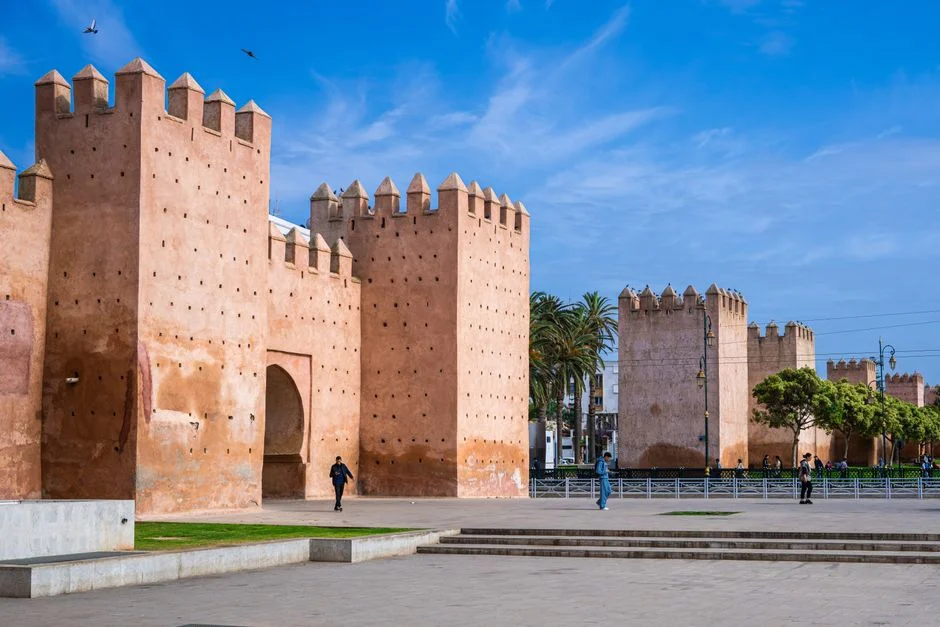
The tournament in Qatar showcased what African football could achieve when investment, coaching expertise, and player development aligned. Morocco's squad featured players born and trained across Europe, but the team's identity remained unmistakably North African. That hybrid model is now attracting attention from investors seeking to replicate the formula elsewhere on the continent.
The Economics of a Continental Breakthrough
Football's global economy operates on perception as much as performance. Morocco's semi-final appearance challenged assumptions about African football's ceiling. That shift carries tangible consequences for broadcast deals, kit sponsorship contracts, and the ability of African clubs and federations to command higher fees when negotiating with European leagues.
Sports marketing firm Nielsen estimated that the 2022 World Cup generated approximately $7.5 billion in total commercial revenue for FIFA. African markets accounted for a growing share of viewership but a fraction of that income. Closing that gap requires sustained competitive success — and Morocco provided the proof of concept.
What This Means for Broadcast and Sponsorship
Television networks across Africa had previously struggled to justify premium subscription rates for football content featuring African national teams. The narrative was simple: European and South American sides drew larger audiences. Morocco's performance disrupted that calculation. Networks in South Africa, Nigeria, and Kenya reported audience spikes during Morocco's knockout matches, with some platforms recording their highest-ever viewership for a national team other than the host country's side.
Sponsorship markets stand to benefit similarly. Corporate sponsors have long treated African football as a developmental market rather than a priority investment. A World Cup victory — or even a realistic pathway to one — changes the calculus. Brands weighing sponsorship deals against audience demographics and commercial return now have concrete data suggesting African markets merit larger commitments.
Infrastructure and Investment Patterns


Qatar's $220 billion World Cup investment highlighted how hosting major tournaments can reshape sporting infrastructure. Several African nations have floated similar ambitions, with South Africa, Egypt, and Nigeria cited as potential hosts for future competitions. Morocco's success adds urgency to those discussions.
Football federations across the continent are reassessing development pipelines. The Moroccan Football Federation's model — combining European-based training with homegrown talent — offers a template that could be adapted in other markets. For investors in sports technology, academy networks, and facilities management, the addressable market is expanding.
South Africa's Position in the Landscape
The South African Premier Division and national team have long represented the continent's most commercially developed football market outside Egypt. Yet the Super Falcons' failure to qualify for major tournaments and the men's side's inconsistent World Cup record have limited the country's ability to capitalise on African football's growth trajectory.
Morocco's example suggests that deliberate investment in coaching infrastructure and youth development can produce results within a single tournament cycle. For South African businesses with exposure to sports, entertainment, and media sectors, the question is not whether African football will grow — the trajectory is clear — but who will capture the value as it does.
What Comes Next
The 2026 World Cup will expand to 48 teams, guaranteeing at least one additional African qualification slot. More importantly, it provides another cycle for investment to compound. Analysts expect broadcast rights values for African qualifiers to increase as sponsors factor in Morocco's precedent.
The timeline for an outright African World Cup winner remains uncertain. But the commercial framework supporting that outcome is taking shape. Broadcasters, sponsors, and investors who dismissed African football as a peripheral market are now being forced to reconsider. The next qualification cycle, due to begin in 2025, will test whether Morocco's breakthrough was an anomaly or the opening chapter of a continental transformation.
See Also
- South Africa Launches The Inaugural Forum to Boost Cultural Tourism and Investments
- Jonathan Butler's Cape Town Sunset Goes Viral — and Cape Town Is Paying Attention