Cooperation Minister Ronald Lamola has called on African nations to lessen their reliance on external markets, a move aimed at boosting intra-African trade and economic independence. Speaking at the African Union conference in Addis Ababa on 23 January, Lamola emphasised the importance of self-sufficiency amidst global economic uncertainties.
Rationale Behind Lamola's Call
Lamola's statement comes as countries across Africa face increasing economic pressure due to external shocks, including fluctuating commodity prices and supply chain disruptions. He pointed out that the ongoing conflict in Ukraine has further destabilised the continent's import reliance, particularly in food and energy supplies. Africa imports more than 60% of its food, which raises vulnerabilities in times of global crises.
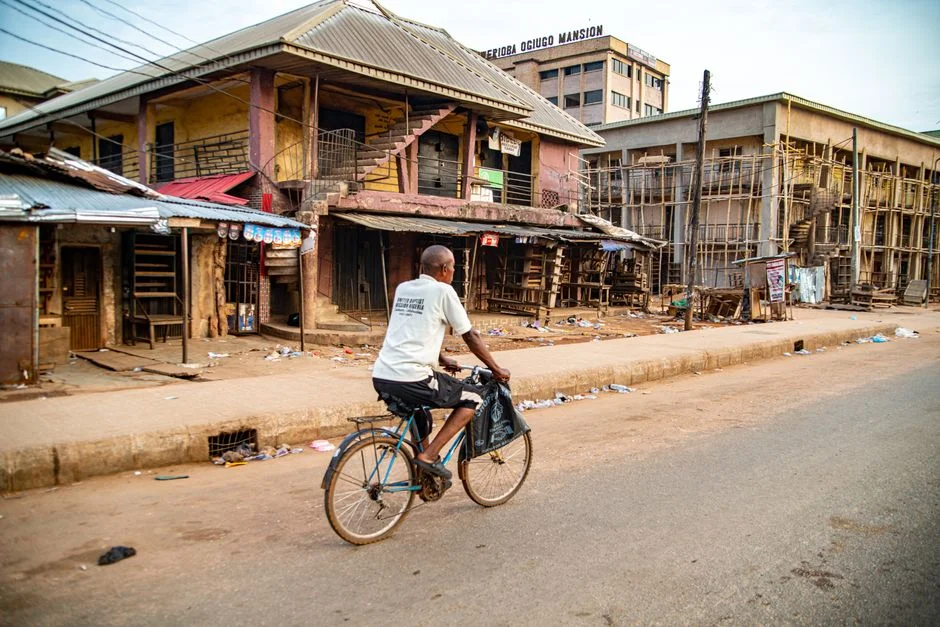
Given the current geopolitical challenges, Lamola stated, "We must prioritise the growth of local industries and reduce our footprint on foreign markets." This strategy aims to empower local businesses and create sustainable job opportunities within African economies.
Economic Implications of Lamola's Recommendations
The push for reduced dependence on external markets could have significant implications for African economies and investment strategies. By fostering local production, countries are expected to see enhanced economic resilience and stability. This shift may attract more local and regional investors looking for opportunities in emerging markets.
However, the transition will require substantial investment in infrastructure and technology to support local industries. Analysts suggest that without proper financial backing and policy support, the drive to reduce dependency may face considerable challenges.
Regional Cooperation Initiatives

Lamola's remarks align with broader initiatives aimed at increasing regional collaboration. The African Continental Free Trade Area (AfCFTA), which aims to create a single market for goods and services, is expected to provide a framework for reducing trade barriers among member states. Experts believe that successful implementation could increase intra-African trade by up to 52% by 2022.
Business Responses to Lamola's Statement
Businesses across the continent are beginning to respond to Lamola’s call. Companies in sectors such as agriculture, textiles, and manufacturing are exploring ways to enhance their supply chains and reduce reliance on imported materials. For instance, South Africa's agricultural sector is stepping up efforts to cultivate crops that can replace imported grains.
However, some industry leaders remain cautious. They argue that while the intent to foster local production is commendable, it must be balanced with the realities of existing market conditions and the need for quality standards.
Investment Landscape Following Lamola's Address
Investors are urged to remain vigilant regarding the evolving landscape in African markets. With Lamola advocating for greater self-reliance, there is potential for an uptick in investment in local industries. Venture capitalists are increasingly drawn to sectors that promise sustainable growth through innovation and technological advancements.
Despite the optimism, investors should also be wary of the risks associated with investing in emerging markets. Political instability, regulatory challenges, and changing consumer preferences could pose threats to potential returns.
What Comes Next for Africa?
As African nations navigate the complexities of reducing external market reliance, the implementation of supportive policies and investments in local businesses will be crucial. The African Union and individual governments must collaborate to create an enabling environment that fosters industrial growth.
Looking ahead, stakeholders should monitor the progress of the AfCFTA and engage in discussions around local production initiatives. Upcoming sessions of the African Union will likely focus on strategies for enhancing regional integration, which could shape the future of Africa’s economic landscape.
See Also
- ADC Slams Nigeria’s GDP Focus — Markets React
- India Govt Denies Third Lockdown Amid Rising Infection Rates
What is the latest news about ronald lamola demands africa reduce dependence on external markets?
Why does this matter for politics-governance?
What are the key facts about ronald lamola demands africa reduce dependence on external markets?