The Central Reserve Police Force (CRPF) has deployed thousands of troops across West Bengal as the 2026 state elections approach, following escalating tensions in the Falta region. Local residents and business owners in Magrahat Paschim allege systematic threats from the ruling Trinamool Congress (TMC) to secure a competitive edge. This political friction is already sending ripples through local markets, raising concerns about supply chain disruptions and short-term economic stability in one of India’s most industrialised states.
Political Tensions Disrupt Local Commerce
The deployment of security forces in the Diamond Harbour and Magrahat Paschim areas marks a significant escalation in pre-poll strategies. Voters in these constituencies report that local traders are facing pressure to display party symbols or close shops on specific days. Such tactics create an unpredictable business environment, deterring small enterprises from expanding operations during the critical election window.
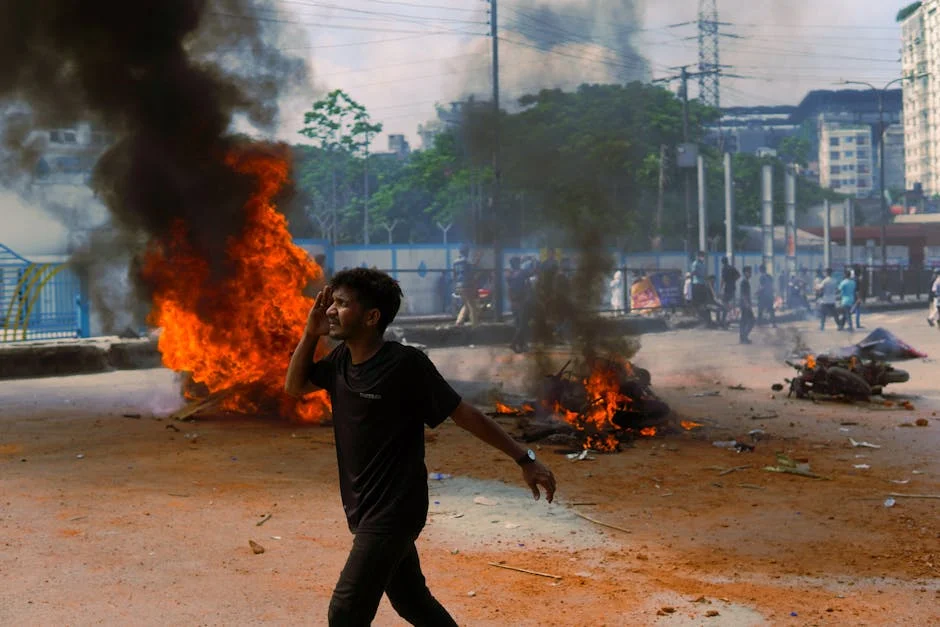
Businesses in the Kolkata metropolitan periphery are particularly vulnerable to these disruptions. The uncertainty surrounding voter behavior and local governance affects consumer confidence. When political actors interfere with daily commerce, the immediate result is a contraction in retail sales and service delivery. Investors monitor these micro-economic shifts as early indicators of broader economic health in the state.
Impact on Small and Medium Enterprises
Small and medium enterprises (SMEs) in the Falta region are bearing the brunt of the political unrest. Many shop owners report a decline in footfall due to roadblocks and the presence of military vehicles. This disruption is not merely logistical; it creates a psychological barrier for consumers who prefer to delay non-essential purchases during periods of heightened uncertainty.
The Election Commission of India has been urged to enforce stricter neutrality among local party workers. However, the sheer scale of the CRPF deployment suggests that standard policing measures are insufficient to contain the friction. For businesses, this means planning for potential logistical bottlenecks that could last for weeks or even months as the election date approaches.
Supply Chain Vulnerabilities in West Bengal
West Bengal serves as a critical gateway for trade between eastern India and the rest of the subcontinent. The Magrahat Paschim area, located near the Hooghly River, hosts numerous warehousing and logistics hubs. Any disruption in this region can have cascading effects on the supply chains of larger corporations operating in the state.
Logistics companies are already adjusting their routes to avoid the most volatile pockets of the constituency. This rerouting increases fuel costs and delivery times, which are eventually passed on to the end consumer. For investors, these incremental costs represent a tangible risk to profit margins, particularly in the manufacturing and textile sectors that dominate the state’s economic output.
The situation in Magrahat Paschim is not an isolated incident but part of a broader pattern of political interference in commerce. Analysts warn that if such disruptions persist, they could dampen foreign direct investment (FDI) inflows into the state. Investors prefer stability, and prolonged political friction can make West Bengal appear as a higher-risk destination compared to more stable southern counterparts.
Investor Sentiment and Market Reactions

Financial markets are sensitive to political stability, and the developments in West Bengal are no exception. While the national stock market may not show immediate volatility, sector-specific indices related to infrastructure and consumer goods are under scrutiny. Investors are closely watching for any signs of prolonged unrest that could impact quarterly earnings reports from companies with significant exposure to the region.
The uncertainty also affects the real estate market, where pre-launch projects in the Diamond Harbour area have seen a slowdown in bookings. Potential buyers are hesitant to commit funds when the local political climate is in flux. This hesitation can lead to a liquidity crunch for developers who rely on steady cash flows to fund construction and marketing efforts.
For international investors, the situation in West Bengal provides a case study in how sub-national politics can influence economic outcomes. The interplay between the TMC, the CRPF, and local voters creates a complex dynamic that requires careful monitoring. Understanding these nuances is essential for making informed investment decisions in the Indian market.
Broader Economic Implications for India
The economic health of West Bengal has implications for the broader Indian economy. As the seventh-largest contributor to India’s GDP, any slowdown in the state can affect national growth projections. The disruptions in Magrahat Paschim, while localized, symbolize the potential for wider economic friction if political tensions spill over into other key industrial zones.
Government policy makers are aware of the need to balance political ambition with economic stability. The deployment of the CRPF is a short-term fix, but long-term solutions require institutional reforms that reduce the reliance on force to manage local disputes. These reforms are crucial for creating a business-friendly environment that attracts sustained investment.
The situation also highlights the importance of robust local governance. When political parties dominate local administration, the rule of law can become secondary to party interests. This dynamic undermines the confidence of businesses and investors, who rely on predictable legal and regulatory frameworks to plan their operations.
What to Watch Next
The coming weeks will be critical in determining the extent of the economic impact. Investors should monitor official reports from the Election Commission of India regarding the neutrality of the CRPF deployment. Additionally, tracking retail sales data and logistics performance indices in West Bengal will provide concrete evidence of how political tensions are affecting the real economy.
Stakeholders should also keep an eye on any policy announcements from the state government aimed at mitigating business disruptions. These measures could include tax incentives or infrastructure upgrades designed to boost investor confidence. The effectiveness of these interventions will be a key indicator of the state’s economic resilience.
As the 2026 elections draw closer, the situation in Magrahat Paschim will serve as a bellwether for the broader political and economic landscape. Businesses and investors must remain agile, ready to adapt to changing conditions and capitalize on emerging opportunities. The next few months will reveal whether the state can maintain economic momentum amidst political turbulence.
See Also
- PM Modi Warns of West Asia Crisis Impact on South Africa
- Nationwide Warns Housing Market to Soften Amid Iran Tensions